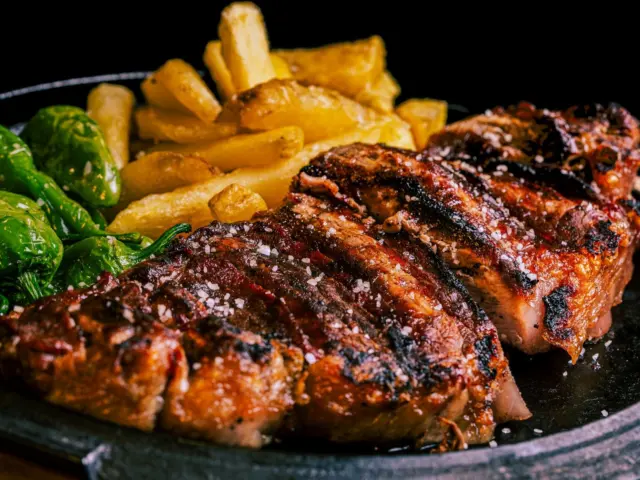
How to make hibachi at home comes down to heat: preheat a heavy flat pan or griddle fully, cook thin-cut meat and vegetables in a single uncrowded layer, then finish with garlic butter and soy sauce.
If heat control and knife work are new to you, start with home cooking basics for beginners, then come back here for the flat-top adaptations.
What restaurant hibachi is, and what to copy
Most American “hibachi” restaurants are, strictly, teppanyaki restaurants, where food cooks on a large flat griddle. That is good news for a home cook. You do not need a charcoal grill. You need a flat surface that holds heat, and that is what a flat-top griddle, a heavy skillet or a cast iron pan provides.
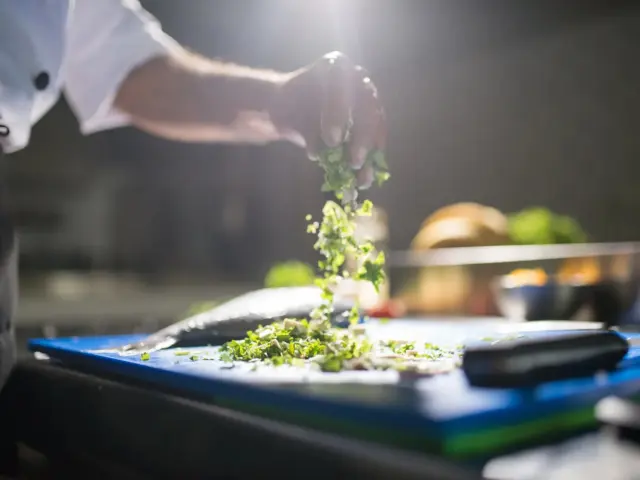
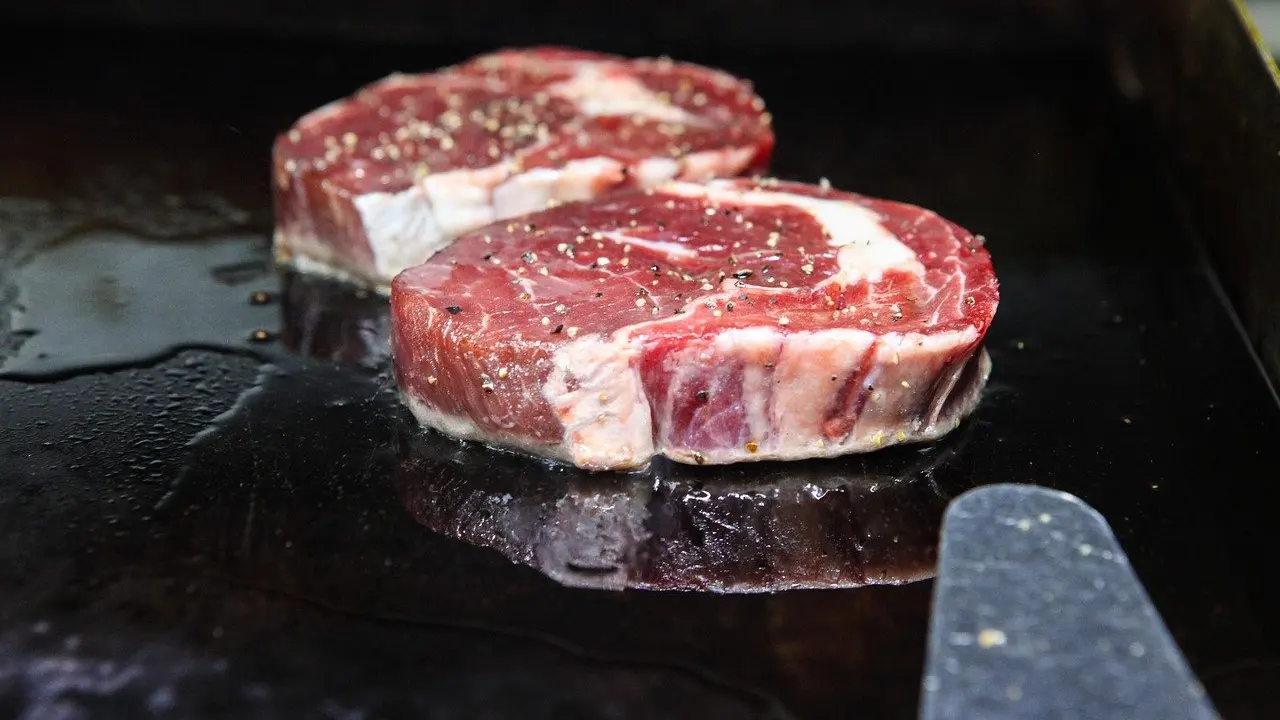
The flavor is simpler than the show suggests. The same pinchmeimeating recipe notes that nearly everything at a steakhouse uses the same basic seasonings: soy sauce, salt and pepper, and a little oil. Speed does the rest. A thin-cut ribeye sears in only about 1-2 minutes, so there is no time to chop an onion mid-cook. Mealflow’s guide makes the same point: every ingredient needs to be prepped and standing by before the surface goes on.
Equipment for a home flat-top
The right equipment depends on how much you are cooking and what you already own. You do not need to buy a dedicated hibachi grill.
- Outdoor griddle or large skillet: Get Inspired Everyday preheats an outdoor griddle over medium heat, or a large 15-inch skillet. A griddle suits a crowd because meat, vegetables and rice can cook in separate zones.
- Sauté pan or cast iron skillet: For steak alone, Pinch Me I’m Eating uses a 12-inch sauté pan and says a cast iron skillet works as well. This suits a small household cooking on the stovetop.
- Long flat metal spatulas: A pair of them handles flipping and scraping on the griddle, according to Mealflow.
- A board away from the heat: Sharp knives can damage a griddle’s seasoning, so cut the steak on a board off the heat rather than on the cooking surface.
- Small bowls: Hold the prepped meat, vegetables, sauces and butter within reach so nothing waits while the surface is hot.
A single flat-top can also cook steak and mushrooms at the same time, which is the main advantage of a griddle over a lone skillet.
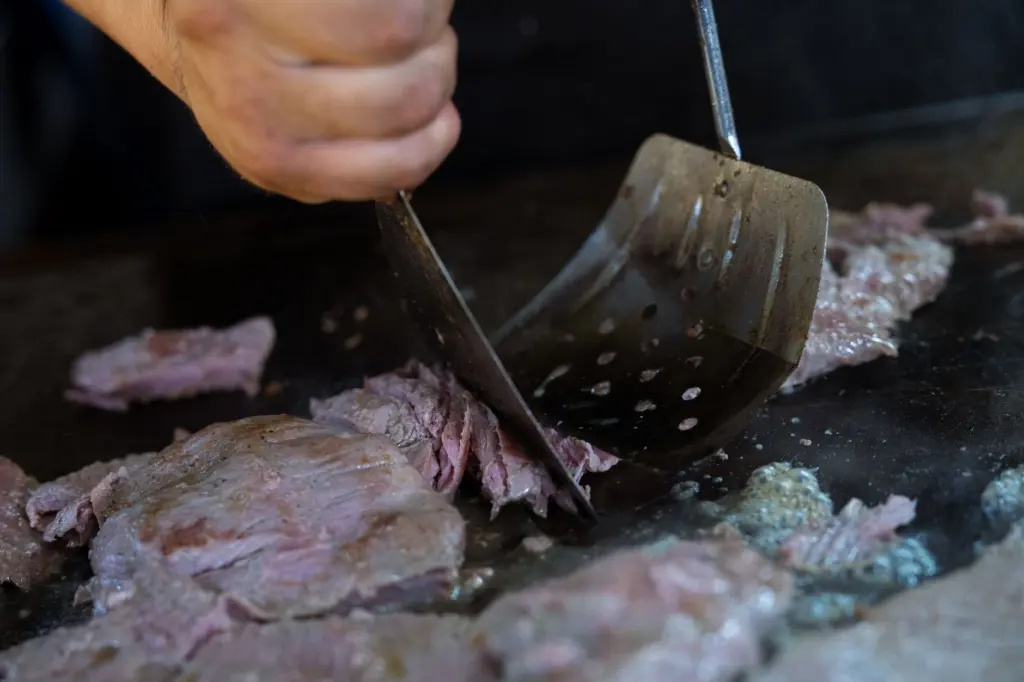
Cooking stages
Work in a fixed order, because each stage sets up the next. The heat levels and timings for each stage follow in the table below.
- Prep everything first. Slice the meat thin, cut the vegetables, and set out the sauces and butter. Cooking moves too fast to prep during it.
- Preheat fully. Let the pan or griddle come all the way up to temperature. A useful check from Mealflow is that a drop of water should dance and vanish almost instantly.
- Sear the meat in a single layer. Do not crowd the pan. Cook in batches if the surface is small.
- Cook the vegetables. Stir as they brown until they are tender. Mushrooms can share the surface with the steak.
- Finish with butter and sauce. Add garlic butter and soy sauce at the end, so they coat the food rather than burn on the surface.
Heat and timing at a glance
| Stage | Heat and timing | Planning use |
|---|---|---|
| Outdoor griddle preheat | Medium heat | A griddle holds heat across a large area, so medium is enough before you start. |
| Heavy flat pan preheat | Medium high, fully preheated | A single skillet has less surface, so it needs a hotter, fully heated pan for a sear. |
| Thin-cut ribeye | 30 seconds on the first side, 1 minute on the second | Stay at the pan, since a thin cut is done in about 1-2 minutes. |
| Mushrooms | 4 minutes total | Start them alongside the steak on a flat-top, or just before it. |
| Vegetables such as zucchini | Medium-high heat, stirring until tender | Cook them in batches if the surface fills up, and finish with the butter. |
Figures here come from Get Inspired Everyday and Pinch Me I’m Eating.
The surface matters more than any single number. A thick steak will need longer than a thin ribeye, so treat these timings as a guide for thin cuts only, and judge doneness by how the meat looks and feels.
Hibachi fried rice
Fried rice is the side that most people associate with the hibachi table, and it depends on the rice. Leftover cooked white rice is essential because fresh rice clumps. Hungry Happens adds that cooled rice crisps up better. Cook the rice a day ahead and refrigerate it, rather than frying it hot from the pot.
For a family-sized batch, that recipe uses 6 cups (948 g) of cooked and cooled basmati rice with 1/4 cup (63.75 g) of low sodium soy sauce. It preheats a griddle on HIGH for 4 minutes before the rice goes on, which is hotter than the steak stage, because rice needs to fry and crisp rather than steam. Mealflow adds a generous amount of garlic butter to its fried rice, which gives the rice its steakhouse flavor.
Rice and meat finish at different times. To keep the rice hot while you cook the meat, Get Inspired Everyday holds it in a 200°F oven. This is more reliable than leaving it on the griddle, where it can dry out or burn.
Sauces and flavor: soy sauce, garlic butter and yum yum sauce
Three flavorings cover what most people want from a hibachi plate.
Soy sauce
Soy sauce is the main seasoning for the meat, vegetables and rice. Use a low-sodium version, as both Hungry Happens and Get Inspired Everyday do, because it reduces over high heat and can quickly become too salty.
Garlic butter
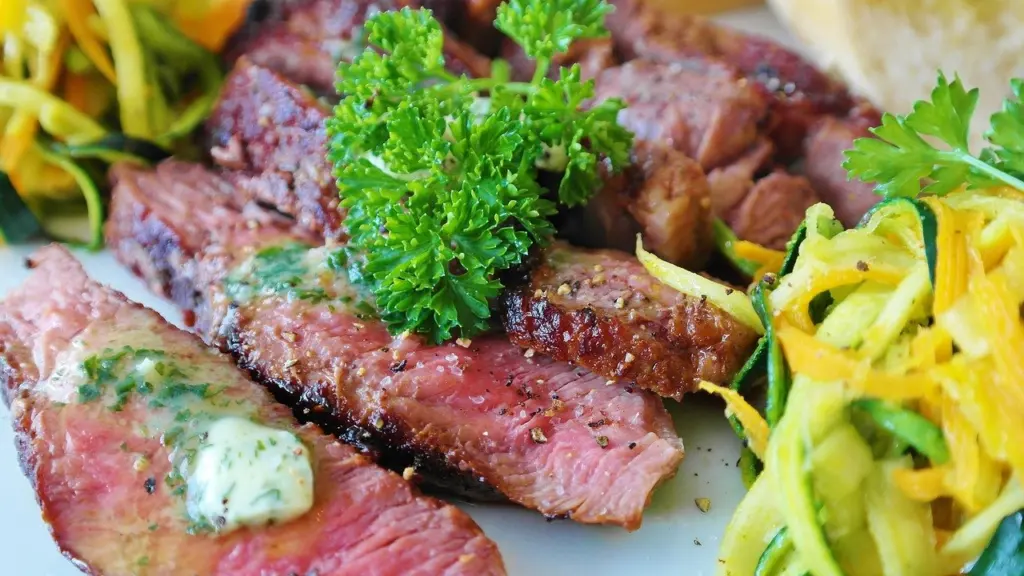
Garlic butter is the finishing flavor. In the Get Inspired Everyday vegetable step, 4 tbsp of salted butter goes in with 2 zucchini. Add it at the end so it melts into the food and coats it. Stir a generous amount through the fried rice as well.
Yum yum sauce
Yum yum sauce, also called Japanese white sauce, is the pink-tinged dipping sauce served at steakhouses. A Mealflow version starts with 1 cup of a good mayonnaise and adds 2 tablespoons of tomato paste, not ketchup, plus 1 tsp each of paprika and garlic powder, and 1 tbsp of melted butter. Mix the sauce before you start cooking, so it can be served cold alongside the hot food.
Serving and sides
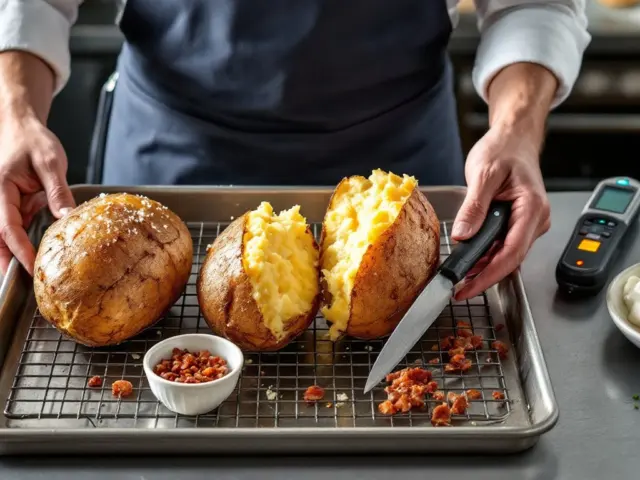
Serve everything straight from the pan while the meat is still hot. If you want something starchier than rice, Diner-Style Home Fries: Crispy, Seasoned Potatoes For Breakfast At Home – Bionicbites shares the same crisp-in-a-hot-pan approach, and Restaurant-Style Baked Potatoes: How To Get Crispy Skins And Fluffy Centers Every Time – Bionicbites suits a plainer plate where the steak is the focus.
Frequently asked questions
Is restaurant hibachi really teppanyaki?
In most American restaurants, yes. Pinch Me I’m Eating notes that most places called hibachi are teppanyaki restaurants, where the food cooks on a flat griddle. That is the style this guide copies.
Can I make hibachi with gluten-free soy sauce?
Yes. Get Inspired Everyday recommends a gluten-free, low-sodium soy sauce for the best flavor, and coconut aminos work as a substitute.
Can steak and mushrooms cook at the same time?
Yes, on a single flat-top. Keep them in separate spots and do not crowd the surface, so each gets direct contact with the heat.
How long do hibachi leftovers keep?
Store the leftover hibachi dinner in separate containers in the refrigerator for up to 4 days, according to Get Inspired Everyday.