Current food trends are easiest to try when you pick a category first: a main dish, a drink or a dessert. Then check the menu for it, because demand often runs ahead of what restaurants actually serve.
That first choice shapes the rest of this guide. Dishes and menu formats come first, then plant-based eating, fermentation, functional foods, drinks and viral recipes, followed by a practical routine for ordering. For the dining-room side of the story, see our guide to restaurant trends.
Choosing your starting point
A food trend is, in Tastewise’s wording, a measurable shift in what people eat and drink. A food-industry explainer from Chomps puts it in consumer terms: a change in consumer eating habits, often related to cultural movements. For a diner, the practical lesson is that trends reach menus unevenly. Some are already printed beside the burgers and the pasta. Others are still mostly talked about online.
Four questions decide where to begin:
- How much do you want to commit? A single drink or a shared dessert is a smaller experiment than a full entrée. If you are cautious, begin with the drinks list or the dessert menu.
- Do you want comfort or novelty? For comfort, begin with the dishes in the next section. For novelty, jump to fermented drinks or a viral dessert.
- Is a wellness angle part of the appeal? Then plant-based protein and functional foods deserve your first look.
- Does price decide the evening? Start with the menu formats built around value, because they change how much a trend costs to try.
Whichever you pick, the sections below say where each trend appears and what to look for on the page or the drinks board.
Dishes and menu formats
Dishes are the safest place to start, because they sit on regular menus and do not require a special request. The trend here is as much about how restaurants build a menu as about any single ingredient.
Smashed burgers, curry bowls and noodles
The National Restaurant Association’s culinary forecast, in which professional chefs predict the hottest food and menu trends for the coming year, was published in November 2025. A separate NRA article from December 2025 names global smashed burgers, Caribbean curry bowls and elevated noodles as favorites. These are dishes you can order without explanation, which makes them the easiest entry point on the list.
The choice also fits what diners say they want. Tastewise reports that comfort is the fastest-rising thing people want, up 55.9%. If you are weighing a patty against a standard burger, Smash Burgers vs Regular Burgers: What’s The Difference And When To Choose Each (2026 Guide) – Bionicbites sets out when each one suits the occasion.
Menus built around fewer dishes
Chef forecasts collected by the James Beard Foundation say operators are focusing their menus on fewer things done well. For you, a short menu is a signal to order what the kitchen is plainly proud of rather than hunting for the unusual item. A long, sprawling list is where a trend dish is most likely to be an afterthought.
Larger formats and the value test
The same James Beard Foundation forecasts include chef Kayla Abe expecting lots of larger-format entrées, a shift tied to diners seeking value. Commentary from Corrie Wang and Kayla Abe frames the test for affordable tasting menus as a simple question: does this menu feel like a deal at this price point? You can use that question on any format. If a large shared plate or a set menu does not pass it for your party, order from the regular list and save the experiment for another visit.
Multi-concept rooms
Some restaurants now give one room different uses by the hour. The James Beard Foundation cites Jun in Houston, which is a coffee shop during the day and a restaurant at night. When a venue works this way, choose the daypart that matches the trend you want. A coffee-led visit and a dinner service are different menus, so check which one is running before you travel.
Plant-based eating
Plant-based eating is the trend with the longest paper trail, which makes it the easiest one to judge for staying power.
What the numbers show
An NSF report page says over 50% of households now regularly eat plant-based meat or fish. It also reports that the number of Americans following plant-based diets grew 300% from 2005 to 2020. On the market side, it values the worldwide plant-based food sector at USD 35.6 billion by 2020, with 10.4% more growth expected by 2026. The NRA’s coverage of its May 2026 show lists plant-based protein among the trends taking center stage.
Will plant-based menus last?
Probably yes, as a standing part of menus rather than a passing fad. The growth runs across many years, and an industry trade show is still featuring plant-based protein in 2026. Two cautions apply. The market figure for 2026 is an expectation, not a result, and the household figure carries no stated year. So read the numbers as direction rather than as a precise count of how many plates restaurants will sell. For a deeper look at where the market is heading, see our piece on plant based food trends.
Ordering plant-based well
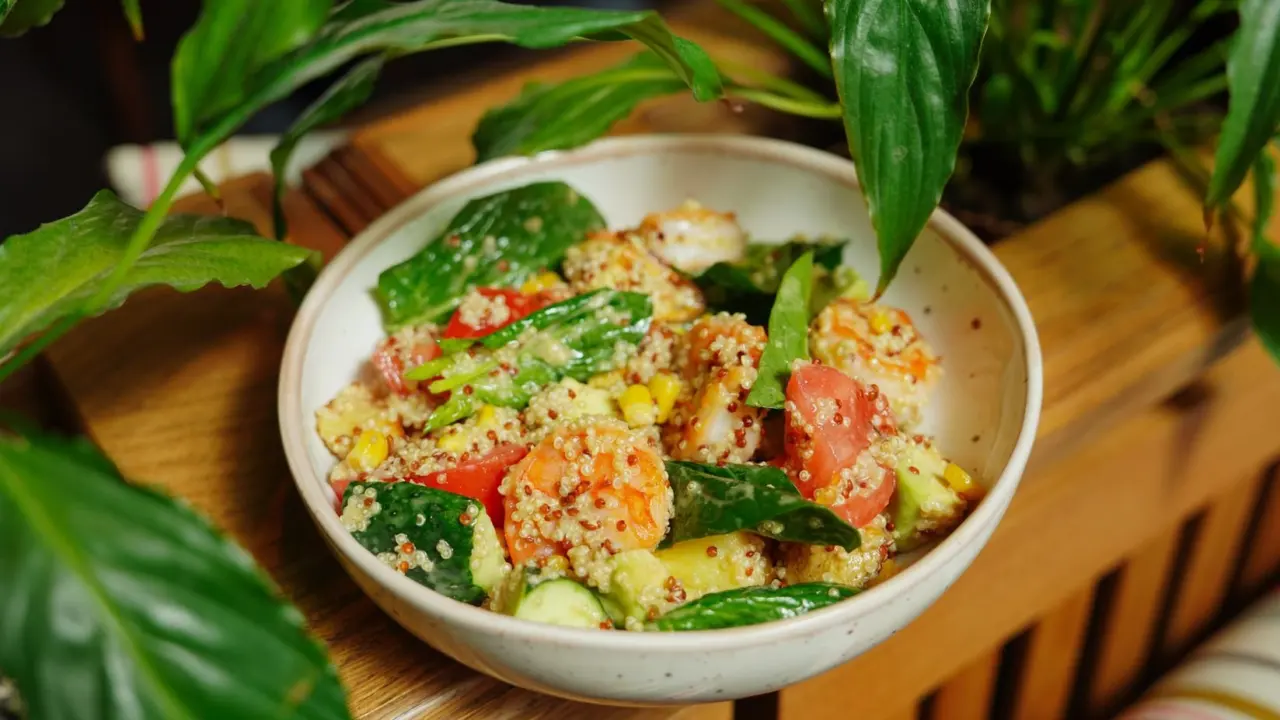
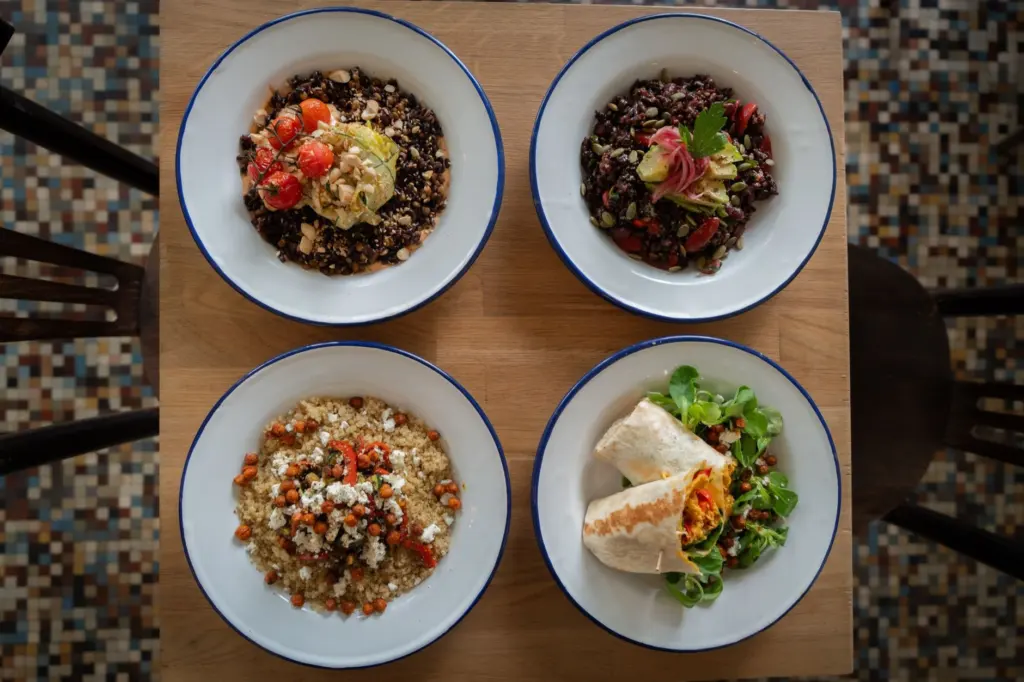
Choose a dish designed around grains, beans and vegetables rather than a meat dish with the meat removed. A kitchen that has built the plate around plants usually gives you more flavor and more variety on the table. If you are unsure, begin with a bowl, since it lets you see every component.
Fermentation on restaurant menus
Fermentation is a kitchen technique before it is a flavor, and chefs describe it in practical terms. Chef Sayat Ozyilmaz, quoted by the James Beard Foundation, says chefs are using ferments to extend short growing seasons, preserve abundance and reduce waste. In the same discussion, he says fermentation lets a cook express time, place and scarcity all at once.
That explains why ferments appear in many parts of a menu rather than in one dish. The clearest place to find them is the bar. The James Beard Foundation notes bars using fermented components such as tepache, kombucha reductions, lacto-fermented fruit brines and koji in low-alcohol drinks. If those words appear on a cocktail list, you have found the trend.
A second reason people seek ferments is health. The Chomps trend explainer lists fermented ingredients for gut health among the benefits consumers look for. Treat that as a reason diners are interested, not as a promise about any one dish.
Who should start here? Anyone who likes sharp, tangy flavors and wants a lower-commitment first step. A fermented drink costs less of your appetite than a fermented main, and it lets you judge whether the flavor suits you before you order a bigger plate.
Functional foods
Functional foods are the most loosely used term in this guide. The Chomps explainer describes the shift as toward everyday ingredients that naturally support how the body works, with fermented ingredients for gut health and healthy fats for brain health as examples. The emphasis is on ordinary ingredients rather than exotic supplements.
On the restaurant side, the NRA’s 2026 beverage forecast ties diner priorities to wellness, personalization, sustainability and authenticity, as reported in its food and beverage trends collection. That combination tells you how the trend tends to appear. It shows up as menu wording that stresses what an ingredient does and as drinks you can tailor to your own taste.
Read these claims as a statement of what diners are seeking. They are not medical advice, and a menu description is not evidence that a dish will deliver a given benefit. If wellness is your reason for ordering, pick the dish that you also want to eat, since sustainability and authenticity are also part of the appeal.
Drinks worth ordering
Drinks are where the quickest trend experiments happen. The NRA reports that a new trends report finds drinks are more than a supporting menu category, in an article dated August 27, 2026. Tastewise adds that dirty soda leads drink trends by growth.
- Drinks without alcohol. The James Beard Foundation reports that restaurants and bars are crafting top-notch cocktails without booze as consumers moderate their drinking. If you want the experience of a cocktail menu without alcohol, ask for these by name.
- Savory and herbal profiles. Codi Bates, owner of Bates Co., forecasts more savory and herbal profiles on bar menus, in the James Beard Foundation’s chef predictions. Choose these if sweet drinks are not your preference.
- Coffee and matcha. Café menus change quickly, and our guide to coffee trends covers what cafés are pushing now. If matcha is the drink you keep seeing, why is matcha so popular explains the demand behind it, and What Is A Matcha Latte? The Simple Guide To Taste, Benefits, And How To Make It (2026) – Bionicbites helps you decide whether to order one.
- Drinks with texture. For something playful, How To Make Popping Boba At Home: Easy, Flavorful Spheres In 30 Minutes – Bionicbites is the better route when you would rather try the idea in your own kitchen than hunt for it on a menu.
Viral recipes and desserts
Viral recipes spread through social feeds before they reach a printed menu, so they are the trend you are most likely to chase and least likely to find on the first try. The Chomps explainer names Dubai chocolate and cottage-cheese-based dishes as recent examples. Dubai chocolate has since moved from feeds to professional kitchens, since the NRA’s coverage of its May 2026 show lists Dubai chocolate pastries among the trends taking center stage.
If you want the background, start with what is dubai chocolate, then read why is dubai chocolate so popular to see how the craze developed. Both help you recognize the pastry version when a bakery lists it.
The best approach to a viral recipe is to treat it as a single-order experiment. Order it once, share it, and decide for yourself whether it earns a place in your regular choices. That keeps the cost of a wrong guess low.
Desserts and toppings to recognize
Beyond Dubai chocolate, our trending desserts guide describes what to try and what each one tastes like. These guides suit different goals:
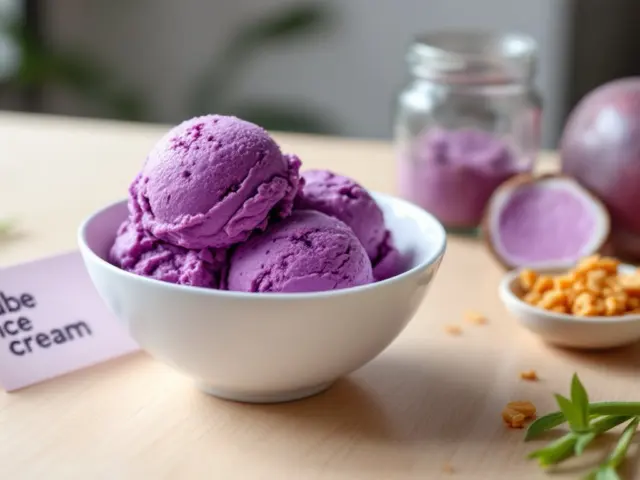
- If you want a dessert to order tonight: What Is Ube Ice Cream? The Complete Guide To The Filipino Purple Treat – Bionicbites introduces a scoop to look for on dessert menus.
- If you want to understand the ingredient: What Is Ube? The Purple Filipino Yam: Uses, Flavor, And How To Cook It – Bionicbites covers flavor and cooking.
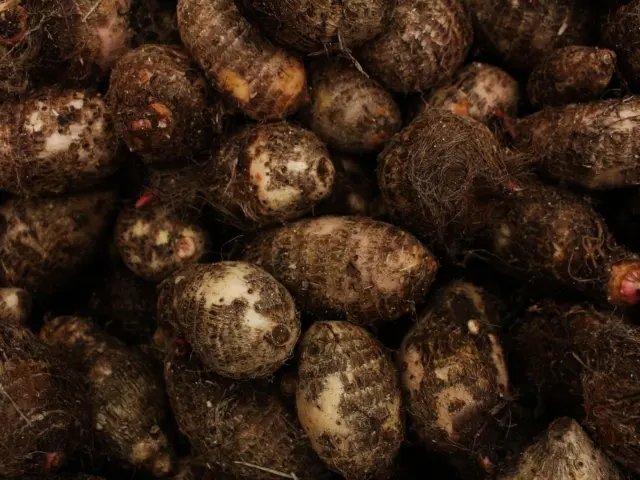
- If the menu uses both ube and taro: Ube Vs Taro: How To Tell Them Apart And Which To Use In 2026 – Bionicbites helps you tell them apart before you order.
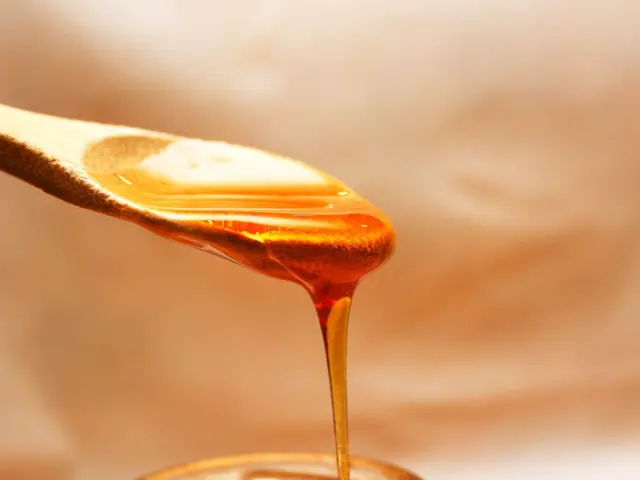
- If you like sweet heat on savory food: What Is Hot Honey? The Sweet‑Spicy Topping Transforming Kitchens In 2026 – Bionicbites explains the topping you will see drizzled on menu items.
Trying a trend at a restaurant
You can turn any trend above into a plan with a short routine. The order matters, because each step narrows the choice before you spend money.
- Pick the category. Decide whether tonight is a dish, a drink or a dessert, using the starting questions at the top of this guide.
- Search the right part of the menu. Ferments and low-alcohol drinks sit on the bar list. Pastries and scoops sit with desserts. Smashed burgers, curry bowls and noodles sit among the mains.
- Read the description for the named ingredient. If the trend word is missing, it is probably not served, and that is the answer.
- Ask how the kitchen prepares it. A server can often tell you what is made in house and what is bought in, which tells you how seriously the kitchen treats the idea.
- Order one trend item beside something familiar. That way an experiment that does not suit you does not ruin the meal.
- Apply the value test. Use the chefs’ question about whether the menu feels like a deal at its price point.
If the item you want is not listed, do not force it. A trend is only worth ordering when the restaurant offers it, and the next section shows how often demand and menus fail to line up.
Where demand outruns menus
Tastewise’s September 2026 ranking orders foods by growth over the past twelve months and then labels whether each one is on menus yet. Its own summary is blunt: demand is climbing faster than menus are keeping up. The table shows the five fastest-growing foods and what that means when you are choosing where to eat.
| Food | 12-month trend growth | Menu status | Planning use |
|---|---|---|---|
| Sazon | +51.9% | Not on menus | Do not build an outing around it; check specials and ask the kitchen. |
| Crawfish | +40.2% | Not on menus | Look at seafood specials rather than the standing menu. |
| Mozzarella sticks | +40.1% | Not on menus | Check the appetizer list before assuming it is there. |
| Dungeness crab | +39.1% | Appearing | The best bet of the five; search menus for it directly. |
| Tallow | +33.4% | Not on menus | Ask the kitchen; it is unlikely to be advertised as a menu item. |
These figures come from the Tastewise food trends ranking.
The decision it supports is simple. If a growing food is already appearing on menus, search for it. If it is still listed as not on menus, treat it as something to ask about rather than something to expect, and keep your plan flexible. That approach saves you from the disappointment of arriving for a trend the kitchen has not adopted.
Frequently asked questions
What food trends are popular now?
Chefs and trackers point to global smashed burgers, Caribbean curry bowls and elevated noodles on the dish side. Plant-based protein, fermented drinks and Dubai chocolate pastries add to that, while comfort is the fastest-rising thing diners want.
How can I tell a trend from a viral spike?
Tastewise separates a trend from a spike by requiring sustained movement on more than one surface. A recipe that is loud on one platform for a short time may be a spike, while one that keeps appearing in several places is more likely a trend.
How fast is dirty soda growing?
Tastewise puts dirty soda at the top of drink trends, with a headline figure of +277.4%, although its beverage table lists +238.9% for the same item. Read it as very strong growth rather than an exact number.