Standing at the produce shelf and wondering what is ube vs taro? Ube is a purple yam with vivid violet flesh and a sweet, creamy taste. Taro is a starchier, paler root with a more neutral flavor.
Pick ube when purple color and natural sweetness are the point of the dish, and taro when you want an earthy, starchy root. The common misunderstandings below show why. This guide sits within our wider look at current food trends.
Ube and taro are different plants
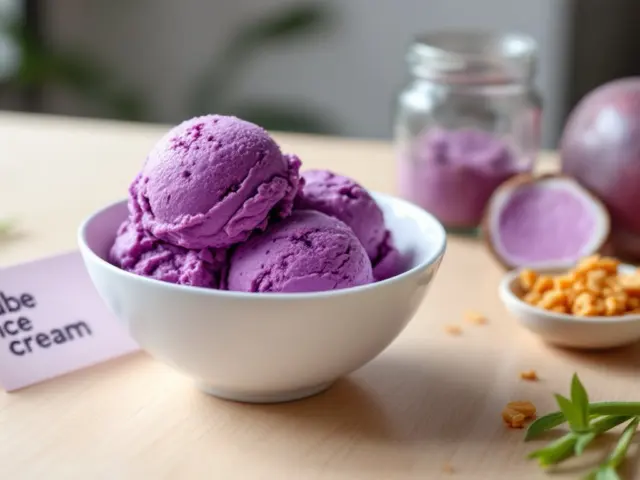
The most common mistake is treating ube and taro as one purple ingredient sold under two names. Ube is a purple yam with a soft, creamy, lightly vanilla-like taste, while taro is a different root altogether, as this ube and taro comparison explains. Taro is the starchier of the two and has much paler flesh, according to a second comparison guide.
A second mix-up involves purple sweet potato. Ube is often confused with it, but ube is a yam, not a sweet potato. A recipe that names ube therefore asks for a specific plant, and a purple sweet potato should not be treated as the same ingredient under another name.
| Feature | Ube | Taro | Planning use |
|---|---|---|---|
| Plant | Purple yam | A different, starchier root | Do not treat the two names as synonyms when reading a recipe. |
| Flesh color | Vivid violet | Off-white to faint lilac; white to pale purple with speckles | The cut surface is the fastest way to identify each one. |
| Sweetness | Higher, naturally sweet | Lower, more neutral | Ube brings sweetness to a dish. With taro, the other ingredients set the sweetness. |
| Taste and texture | Soft, creamy, lightly vanilla-like | Earthier, drier, nuttier | Choose ube for smooth, dessert-style results and taro for a more savory, earthy base. |
| Typical uses | Ube halaya and other Filipino sweets | Bubble tea, Asian dishes, sweetened powder mixes | Match the root to the dish it is traditionally used in. |
The descriptions in this table draw on two ingredient comparison guides, one covering sweetness and flesh color and another covering taste, texture and uses.
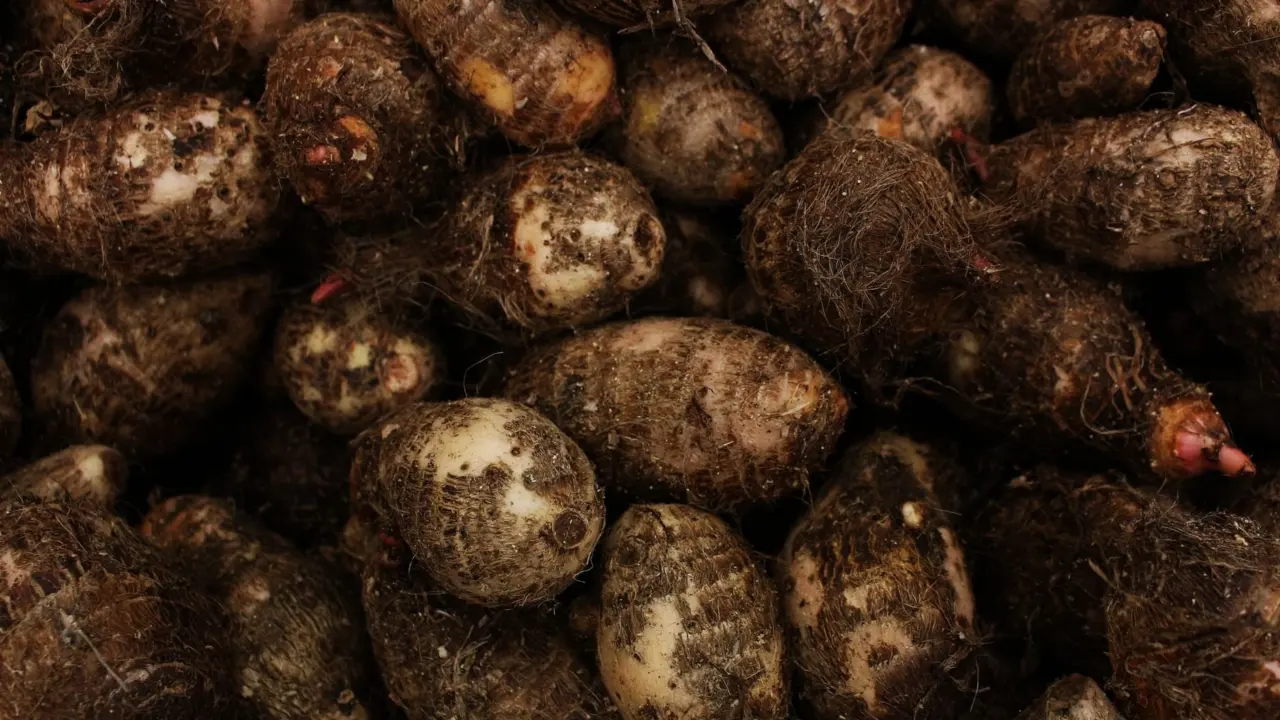
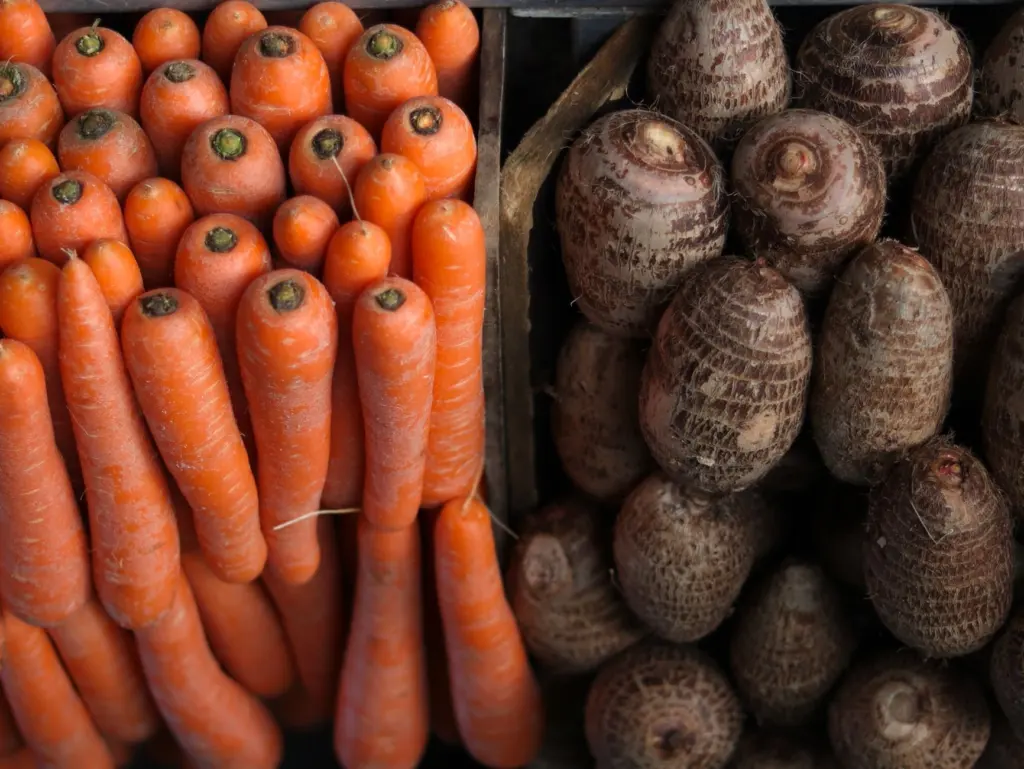
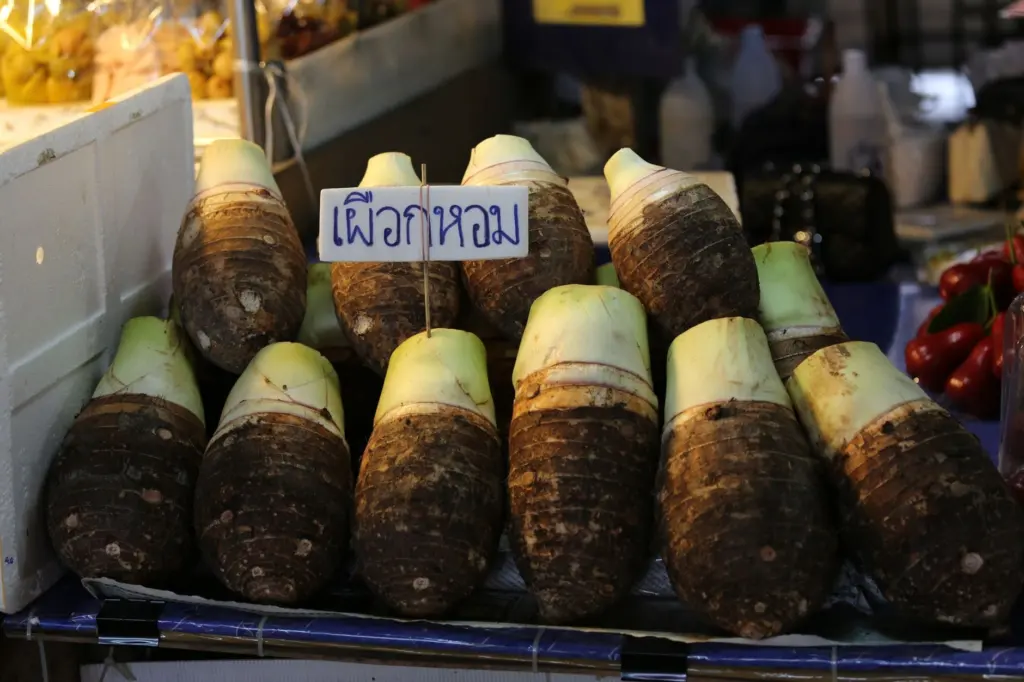
Whole roots give a first clue. Taro has a brown, rough exterior, as a coffee-shop guide to the two ingredients notes. The exterior is only half the story, though, because the flesh inside is where ube and taro differ most clearly.
Purple is not proof: telling them apart in the store
Many shoppers assume that anything purple is ube and anything pale is taro. The reality is less tidy, because taro is not always plain white. Its flesh is usually white to pale purple with speckles, and it can read as a faint lilac. Ube flesh is a vivid violet, far deeper and more even than the speckled lilac of taro.
Whole roots and cut pieces
When roots are sold whole, look for a brown, rough exterior and expect taro. If a piece is cut or sold in a section where you can see the flesh, let color decide. Vivid violet points to ube. Off-white, or white with pale purple speckles, points to taro. Because the difference is so marked, the cut face is a more dependable test than the label on the shelf or the skin alone.
Packaged powders and drinks
Color becomes a weaker clue once the root has been processed. Many taro bubble tea powders are extra sweetened and colored, so a taro drink can look more purple and taste sweeter than the root itself would. A vivid shade in a packet or a cup therefore says little about which plant is inside. Read the ingredient list and the product name rather than relying on the picture on the front.
Taste and texture: taro is not just paler ube
Another misunderstanding is that taro is simply ube with the color turned down. The two differ in flavor and texture as well as in appearance. Ube has higher, natural sweetness and a soft, creamy, lightly vanilla-like taste. Taro is lower in sweetness and more neutral, and it is earthier, drier and nuttier.
- Sweetness: ube is the sweeter of the two, so it needs less help to taste like a dessert. Taro’s lower sweetness suits recipes where other ingredients supply the sugar.
- Texture: ube is soft and creamy, which suits smooth, spoonable results. Taro is a starchier, drier root, which gives a firmer, more substantial feel.
- Flavor: ube leans toward a light vanilla note. Taro leans earthy and nutty, so it behaves more like a savory root vegetable than a sweet one.
A simple home test follows from this. Taste a plain cooked piece before adding any sugar or other flavorings. A sweet, creamy, faintly vanilla taste means ube. An earthy, drier, nuttier bite with little sweetness means taro. The test only works on the plain root, because sweetened powders and pastes can hide the difference.
Where each root belongs in the kitchen
Ube is closely tied to Filipino desserts. Filipino cuisine built an entire dessert tradition around it, with ube halaya among the best-known sweets. In those dishes the root’s natural sweetness, creamy softness and vivid violet color are all part of what makes the dessert recognizable.
Taro has a wider and less dessert-bound role. It turns up in bubble tea, in Asian dishes and in sweetened powder mixes. Taro milk tea is the version most shoppers meet first, and there the root’s mild, neutral character is a base that sweetener and milk build on. For a savory dish, taro’s earthy, nutty, starchy character is the better fit, since it will not push the dish toward dessert.
If you follow ingredient trends, a sweet-spicy condiment is explained in What Is Hot Honey? The Sweet‑Spicy Topping Transforming Kitchens In 2026 – Bionicbites, and another either-or choice is covered in Smash Burgers vs Regular Burgers: What’s The Difference And When To Choose Each (2026 Guide) – Bionicbites.
Choosing between them, and swapping
Taro cannot stand in for ube, or the reverse, as a straight one-to-one swap. A guide to their taste differences and uses says plainly that you cannot substitute one for the other. Flavor and color both change, so a swap gives you a different dish rather than a copy of the original.
Use these questions to choose:
- Do you need vivid violet? Choose ube. Taro’s flesh is off-white to faint lilac and will not deliver that color.
- Do you want natural sweetness and a creamy, lightly vanilla-like taste? Choose ube, as in ube halaya.
- Do you want a neutral, earthy, starchy base? Choose taro, as in taro milk tea or savory Asian dishes.
If you swap anyway, expect the result to taste and look different. Putting taro into a recipe written for ube gives a less sweet, paler and drier result, and putting ube into a taro recipe gives a sweeter, more violet one. Where the recipe’s name depends on the ingredient, as halaya does, buy the right root rather than improvising.
Frequently asked questions
| Question | Answer |
|---|---|
| Is ube the same as purple sweet potato? | No. Ube is a purple yam, though it is often confused with purple sweet potato. |
| Why can taro milk tea look so purple? | Many taro bubble tea powders are extra sweetened and colored, so the drink’s shade does not reflect the root’s own paler flesh. |
| Can taro replace ube in ube halaya? | Not as a like-for-like swap. Taro is less sweet and far paler, so the dessert would taste and look different. |
| Does taro have any purple in it at all? | Sometimes. Taro flesh is usually white to pale purple with speckles, but it never reaches ube’s vivid violet. |