Choosing between burgers on a menu, what is a smash burger vs burger? A smash burger is beef pressed thin on a very hot surface for a crisp crust; a regular burger is a thicker patty cooked to your preferred doneness.
Pick the smash when crust and speed matter most, and the thicker patty when you want control over doneness. This guide is part of our coverage of current food trends, and it ends with the steps to cook a smash burger at home.
What a smash burger is
An enthusiast forum thread describes a smash burger as a basic cheeseburger with a patty that has been literally smashed and flattened on a grill or flat top. The flat-top griddle does the work. A ball of ground beef lands on the hot surface and is pressed flat, so far more of the meat touches the metal.
That contact explains the style. A 12 Tomatoes comparison of smashed and grilled burgers notes that the greater surface area gives more opportunity for the Maillard reaction, and so more flavor. The enthusiast thread adds that the smashed patty sits closer to the heat source, which compounds the browning.
The same 12 Tomatoes recipe tops the patty with American cheese after the flip and toasts the buns before cooking the patties. A soft potato bun suits that treatment well, because it only needs a quick turn on the heat before the beef goes on.
Smash burger vs regular burger side by side
The table compares the two styles on the measures that change what ends up on your plate.
| Feature | Smash burger | Regular burger | Planning use |
|---|---|---|---|
| Patty weight | About 5 oz of ground beef, split into two 2.5 oz balls | About 6 oz per patty | Portion by weight before you start; the smash spreads its beef over thinner patties. |
| Shape | Flattened thin; the patty does not curl away from the heat | Thicker patty | Choose by texture: an even, crisp-edged patty or a thick bite. |
| Heat | Flat-top preheated to high, ideally 500-600°F | Grill on med-high/high heat | Match the style to the equipment you actually have. |
| Timing | Flip after 45 seconds to 1 minute; a few minutes per side at most | Thicker burgers cook longer to reach serving temperature | Smash suits a quick meal; regular needs more time at the grill. |
| Browning | More surface contact, so more Maillard reaction and flavor | Less flat contact with the heat | Smash is the better pick for crust-lovers. |
| Cheese | American cheese added to one side after the flip | Cheddar added a couple of minutes before done | Both styles use melted cheese, but the timing differs. |
| Overcooking risk | Short cook, so little time to dry out | Cooked past medium, a longer cook can cause critical moisture loss | Watch doneness closely on thick patties. |
Figures come from the 12 Tomatoes smashed-versus-grilled recipe and the enthusiast forum discussion of patty thickness and cooking time.
Treat those weights as one recipe’s preferences, not rules. The useful pattern is that a smash builds its burger from two thin patties, while a regular burger concentrates the beef in a single thick one. That difference drives the heat, timing and doneness differences in every other row.
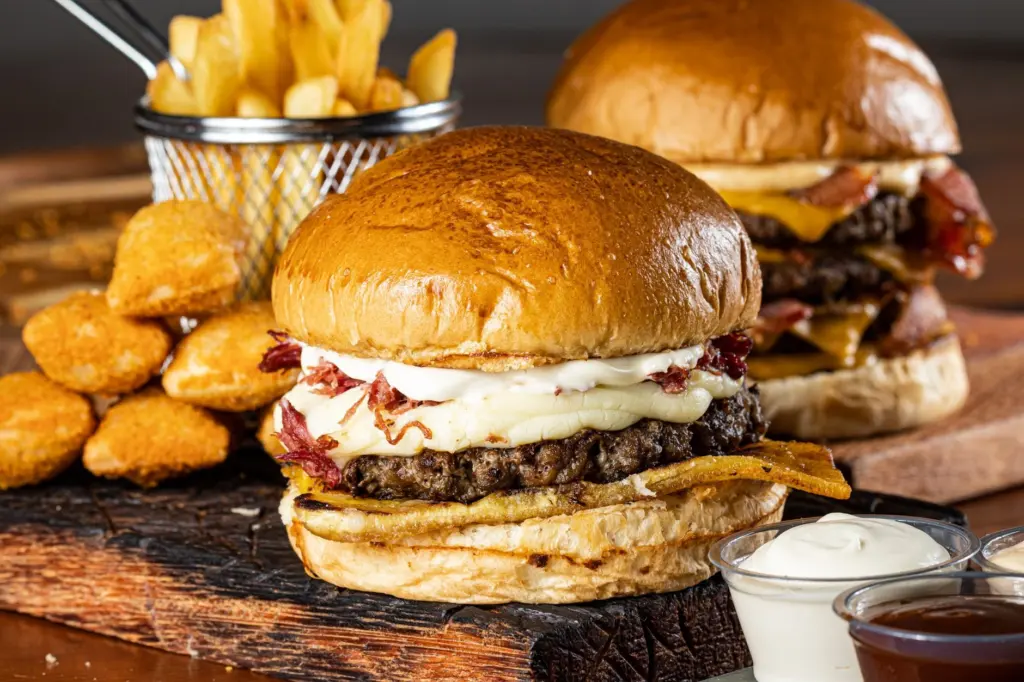
Common misconceptions about smash burgers
- “Thin means less flavor.” The opposite is closer to the truth. Because the flattened patty puts more beef in contact with the hot surface, it browns more, and that Maillard browning is where much of the flavor comes from.
- “Thicker is always juicier.” Thickness helps only if the patty stays at or below medium. According to the forum discussion, thicker burgers must cook longer to reach serving temperature, and past medium that longer cook can cause critical moisture loss. A thin patty only needs a few minutes per side.
- “You need a restaurant flat-top.” A heavy skillet works. A skillet recipe from a cookware brand cooks smash burgers at medium heat and advises against going higher for best results. Follow your pan’s limits rather than a restaurant griddle’s temperature.
- “Work the meat so it holds together.” The same skillet recipe says to form loose balls and not overwork the beef. The smashing happens on the hot surface, not in your hands.
How to make a smash burger at home
To make a smash burger at home, portion loose balls of beef, preheat a flat surface hard, press the balls flat, and flip as soon as the bottom is golden. The whole cook takes only minutes, so have buns and toppings ready first.
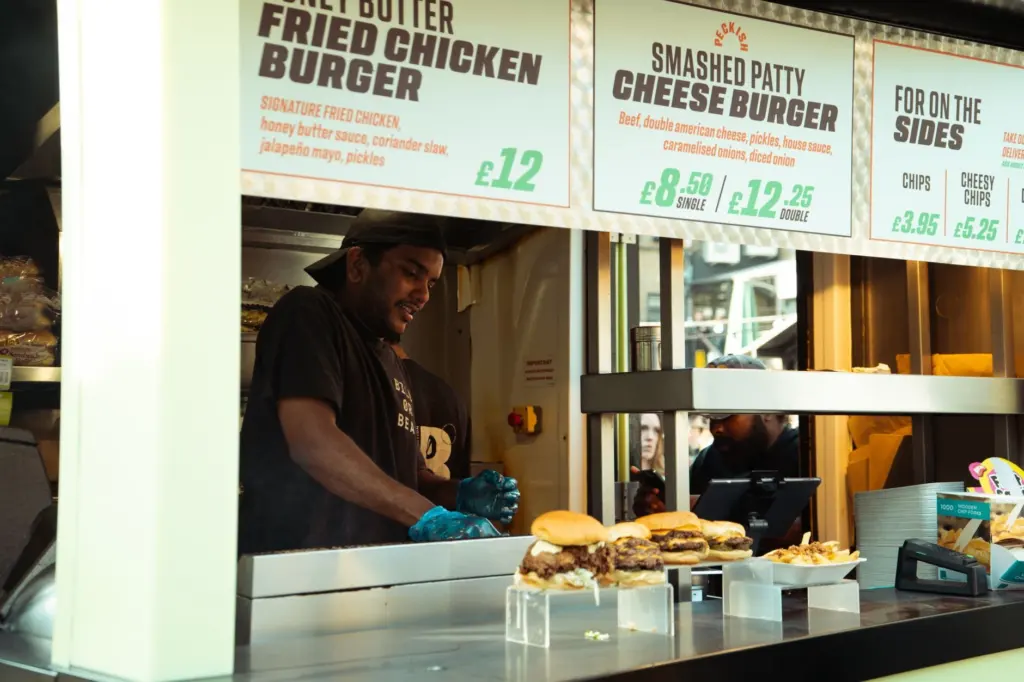
Heat and equipment
On a flat-top, the 12 Tomatoes recipe calls for preheating to high, ideally 500-600°F. A skillet at home needs a gentler approach: the cookware-brand recipe tops out at medium heat, and it sears for 2-3 minutes until the edges are dark and crispy. The exact number matters less than a pan that is hot before the beef touches it.
Step by step
- Portion the beef. Weigh about 5 oz of ground beef per burger and separate it into two 2.5 oz balls. Form them loosely.
- Toast the buns. Do this before cooking the patties. In a skillet, the cookware-brand recipe toasts them in butter in the same pan for added flavor.
- Preheat the surface. Use the flat-top or skillet heat described above.
- Press the balls flat. Press each ball into a thin patty on the hot surface.
- Sear until golden. On a flat-top, flip after 45 seconds to 1 minute, when the bottom is good and golden brown. In a skillet, cook 2-3 minutes until the edges are dark and crispy.
- Flip and add cheese. Top one side with American cheese. The skillet recipe cooks about 1 more minute after the cheese goes on.
- Build the burger. Put the toppings on the bottom bun and the thin-sliced onion on top, so the hot meat steams the onion slightly.
When to choose each style
Choose a smash burger when you want crisp, browned edges and a short cook. The patty stays flat and, as the forum thread puts it, does not curl upward and away from the heat source, which gives a more uniform texture. It suits a casual meal where speed matters and a flat-top or a hot skillet is available.
Choose a regular burger when you cook outdoors or want a thick, juicy bite. The 12 Tomatoes method is to grill on med-high/high heat until the desired internal temperature is met, topping with cheddar a couple of minutes before it is done. That approach lets you decide how done the center should be, which is harder to do with a patty that cooks in minutes.
Wait on the regular burger if you are short on time, because thicker burgers need longer cooking to reach serving temperature. Skip the thick patty too if you tend to cook beef past medium, since the extra time risks a dry result.
Toppings and buns for each style
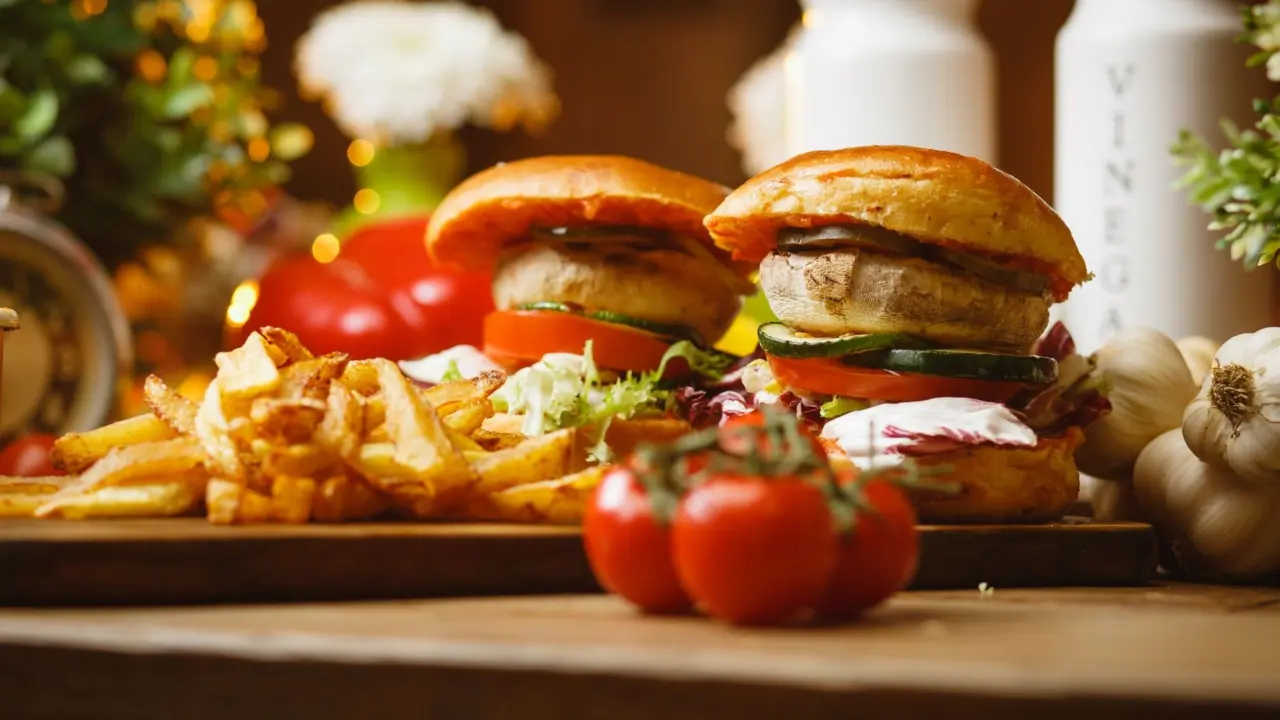
Both styles agree on the basics. As the enthusiast forum puts it, a good burger and a smash burger see eye to eye on lettuce, tomato, onion and cheeses. The differences are in how you apply them.
- Smash burger. American cheese melts quickly on the thin patty when added after the flip. Thin-sliced onion goes on top of the patty so the heat softens it, and the other toppings sit on the bottom bun. Keep the build simple so the crust stays the focus.
- Regular burger. Cheddar goes on late in the grilling, and a thick patty has room for the full lettuce, tomato and onion layering. Choose the bun to hold the weight of the stack.
- Buns. Toasting matters in both cases. The 12 Tomatoes recipe toasts buns before cooking the patties, and a potato bun toasted in butter in the same pan picks up extra flavor from the pan.
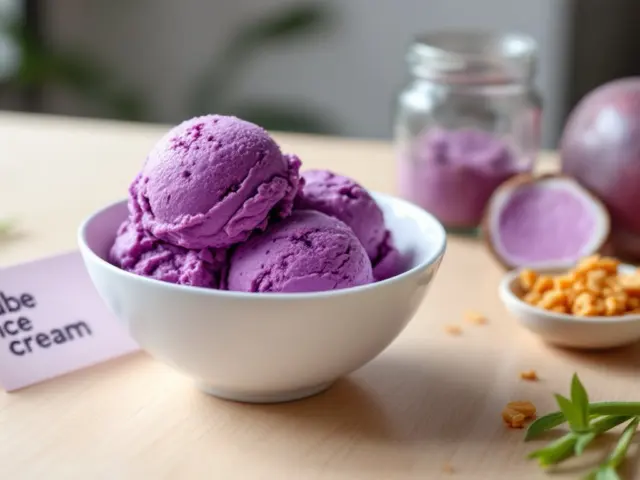
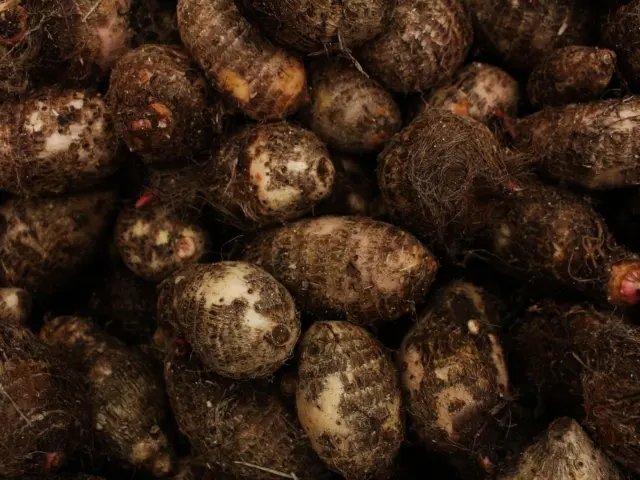
If you enjoy comparing food styles like this, Ube Vs Taro: How To Tell Them Apart And Which To Use In 2026 – Bionicbites takes the same decision-first approach to two lookalike ingredients, and you can also read about why is matcha so popular for a different kind of food trend.
Frequently asked questions
| Question | Answer |
|---|---|
| Which ground beef suits a smash burger? | A skillet smash recipe uses 1 lb of ground beef and recommends an 80/20 blend. |
| Can I shape the patties before they hit the pan? | Yes. The 12 Tomatoes recipe suggests pre-smashing the beef into a very thin patty using wax paper, aluminum foil or plastic bags. |
| Where did the smash burger come from? | The forum thread traces it to the Dairy Cheer in Ashland, Kentucky, where a cook smashed an unfinished patty with a large No. 10 tin can. |