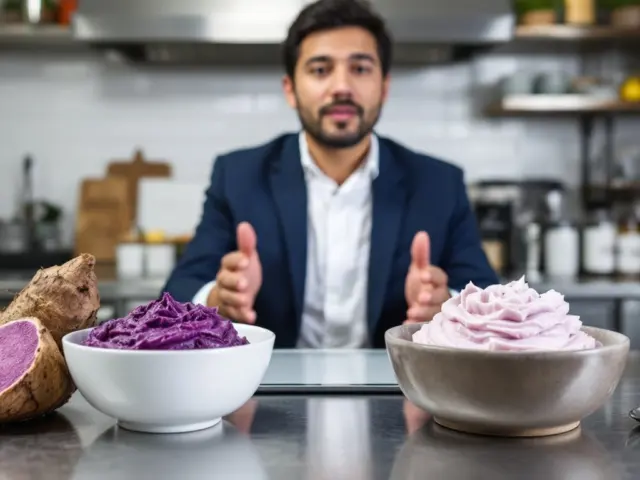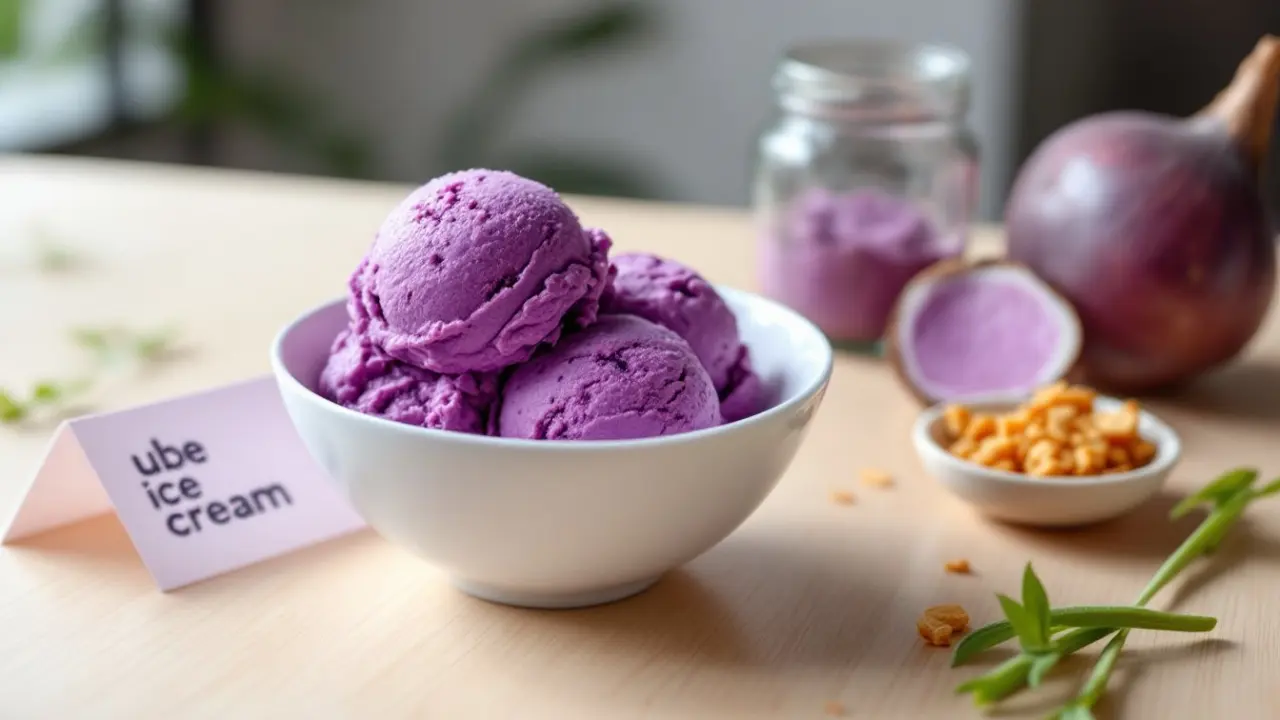
what is ube ice cream is a common question for new tasters. The phrase names a purple ice cream made from ube, a Filipino purple yam. It offers a sweet, nutty, and slightly floral taste. The guide explains where it came from, how cooks make it, and how buyers should choose and store it. The text stays clear and direct.
Key Takeaways
- Ube ice cream is a vivid purple dessert made from the Filipino purple yam, offering a sweet, nutty, and mildly floral flavor.
- Authentic ube ice cream includes cooked ube or ube purée along with real dairy or coconut ingredients rather than artificial flavors or colors.
- Traditional methods use mashed boiled or steamed ube with sugar and milk, while modern versions often incorporate ube halaya custard for a silkier texture.
- Buyers should check labels carefully to ensure genuine ube content and prefer products with natural ingredients for the best flavor experience.
- When serving, let ube ice cream soften at room temperature and pair it with toasted coconut or ripe mango to enhance the taste.
- Proper storage involves keeping the ice cream in the coldest part of the freezer with plastic wrap on the surface to preserve texture and flavor for up to three months.
Origins And Flavor Profile Of Ube Ice Cream
Ube ice cream traces its origin to the Philippines. Islanders used ube for desserts for centuries. They boiled and mashed the yam and added sugar and coconut for flavor. Spanish and American influence introduced dairy and ice cream techniques. The modern scoop blended Filipino ingredients with ice cream methods.
Ube has a purple hue. It gives the ice cream a vivid violet color. The color comes from natural pigments in the yam. The flavor combines sweet, nutty, and mild floral notes. It does not taste like artificial fruit. The yam adds a dense, earthy sweetness and a creamy mouthfeel.
Food writers describe ube ice cream as comforting and gentle. The ice cream balances sugar, yam, and often coconut or milk. Some makers add vanilla to round the taste. Others add toasted coconut, macapuno, or leche flan for texture and contrast. The result stays focused on the yam and its subtle sweetness.
When people ask what is ube ice cream, they expect purple color and yam flavor. They also expect a smooth scoop and a clean, not heavy, sweetness. Regional variations appear across the Philippines and in Filipino communities abroad. Craft vendors may emphasize fresh ube purée. Commercial brands may use ube extract or color to keep supply steady.
Buyers who care about authenticity check ingredients. They look for cooked ube, ube purée, coconut, and real milk or cream. They avoid products that list only artificial flavor or heavy color without ube or yam solids.
Traditional And Modern Methods Of Making Ube Ice Cream
Traditional cooks prepare ube ice cream with cooked ube, milk, sugar, and sometimes coconut milk. They first boil or steam the yam. They mash the yam into a smooth purée. They cook the purée with sugar and milk to form a thick base. They chill the base and churn it in a hand crank or electric churn.
Modern makers often use ube extract or ube halaya, a sweet ube paste. They blend ube halaya with cream, milk, and eggs for custard-style ice cream. They heat the custard to make it safe and stable. They strain the mixture for smoothness. Then they chill and churn it in a machine.
Some shops bake or roast the yam before mashing. Roasting adds a toasted note. Some shops add coconut cream for richer flavor. Some recipes skip eggs and use stabilizers to suit vegan or allergy needs. Many modern shops add texture with swirl-ins like macapuno, sweetened condensed milk ribbons, or crisped rice.
When people ask what is ube ice cream, they often mean either the traditional purée-based style or the custard-based style. Both styles highlight ube, but they differ in richness and texture. The purée style feels denser and more yam-forward. The custard style feels silkier and smoother.
Pro cooks advise testing sweetness. Ube natural sweetness varies by batch. Cooks adjust sugar to keep flavor balanced. They also test color. Fresh ube yields softer purple than some extracts. Many makers add a small amount of food-safe purple pigment to meet customer expectations.
Tips For Buying, Serving, And Storing Ube Ice Cream
Buyers should check the label to answer what is ube ice cream in the container. Look for cooked ube, ube purée, or ube halaya listed near the top. Prefer products that list real dairy or coconut rather than only artificial flavor. Avoid long ingredient lists that hide ube under extracts and color.
When serving, let the ice cream sit at room temperature for two to five minutes. The ice cream softens and releases more flavor. Serve in small bowls to let the purple color stand out. Pair the ice cream with toasted coconut, plain shortbread, or ripe mango for contrast. The pairings highlight the yam without masking it.
For storage, keep the tub in the coldest part of the freezer. Press plastic wrap over the surface before replacing the lid. This step reduces ice crystals and keeps texture. Store for up to three months for best taste. Thaw slowly in the refrigerator for an hour before scooping if the tub froze very hard.
If people wonder what is ube ice cream in homemade form, they should label the container with the date. Homemade batches lack preservatives and fade faster. Eat homemade ube ice cream within two weeks for best flavor.
When choosing shops, read reviews for authentic flavor. Shops that make ube from fresh yam usually get steady praise for depth of flavor. Shops that rely on extract may still produce tasty ice cream, but they may not answer the question what is ube ice cream for someone seeking the true yam taste.