| Decision | Supported detail | Planning use |
|---|---|---|
| Dried chili flakes, sealed glass jar | Keeps 3 months or longer in a cool, dark place | Make a batch ahead and keep it in the pantry for regular use. |
| Fresh peppers | More perishable; strain them out, refrigerate and use within a few weeks | Make a small batch you will finish quickly and keep it cold. |
| Mild heat | 1 teaspoon of red pepper flakes with a 5-minute steep | Start here for mixed company, desserts or a first attempt. |
| Extreme heat | Ghost peppers, 7 Pot, Trinidad scorpion or Carolina Reaper | Keep for people who ask for really spicy honey. |
| Pizza | Pepperoni, sausage or a salty cheese pie | Try it first on the richest, saltiest pizzas. |
Figures above come from Chili Pepper Madness and Weeks Honey Farm.
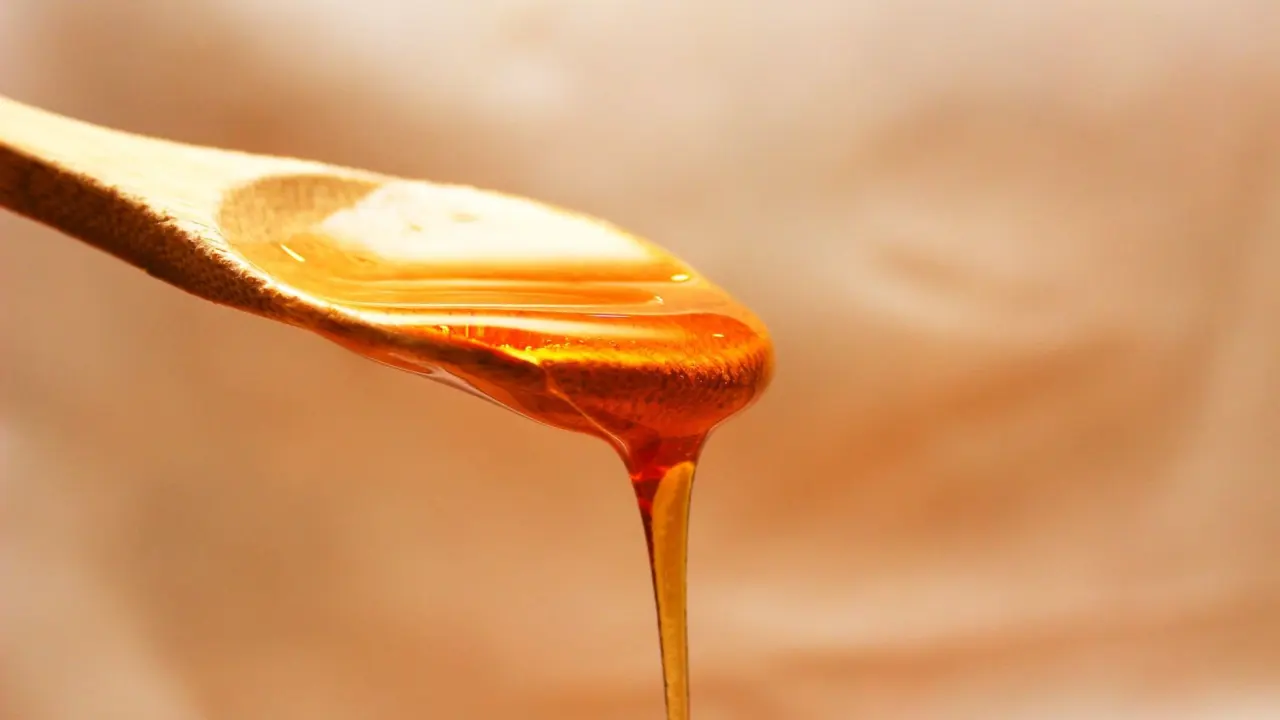
What is hot honey? It is honey infused with fresh or dried chili peppers, a sweet and spicy condiment whose heat and shelf life depend mostly on which peppers you choose and how long they steep.
Hot honey is one of the current food trends that is easy to understand before you buy a jar or make your own, and the decisions below follow from how it behaves in the kitchen.
Where hot honey shows up and why it works
Hot honey has become a popular topping for pizza, roasted vegetables and fried chicken, as a New Mexico farmers’ market recipe puts it. The same recipe also mentions salad dressings and tea. Chili Pepper Madness describes it as perfect on pizza, fried chicken, biscuits and more, and notes that you have probably heard of brands like Mike’s Hot Honey, which is the most recognisable store-bought name.
The pattern across these pairings is a sweet-heat drizzle added at the end to foods that are already savoury. Pizza topped with pepperoni, sausage or salty cheese, and crisp fried chicken, are the clearest fits. If you are deciding whether a jar is worth buying, those are the dishes that will tell you quickly.
Because it is a finishing condiment rather than a cooking ingredient, the useful question is not whether you like spicy food but how much heat you want on the plate. That is the first decision the rest of this guide helps with.
Choosing heat level and peppers
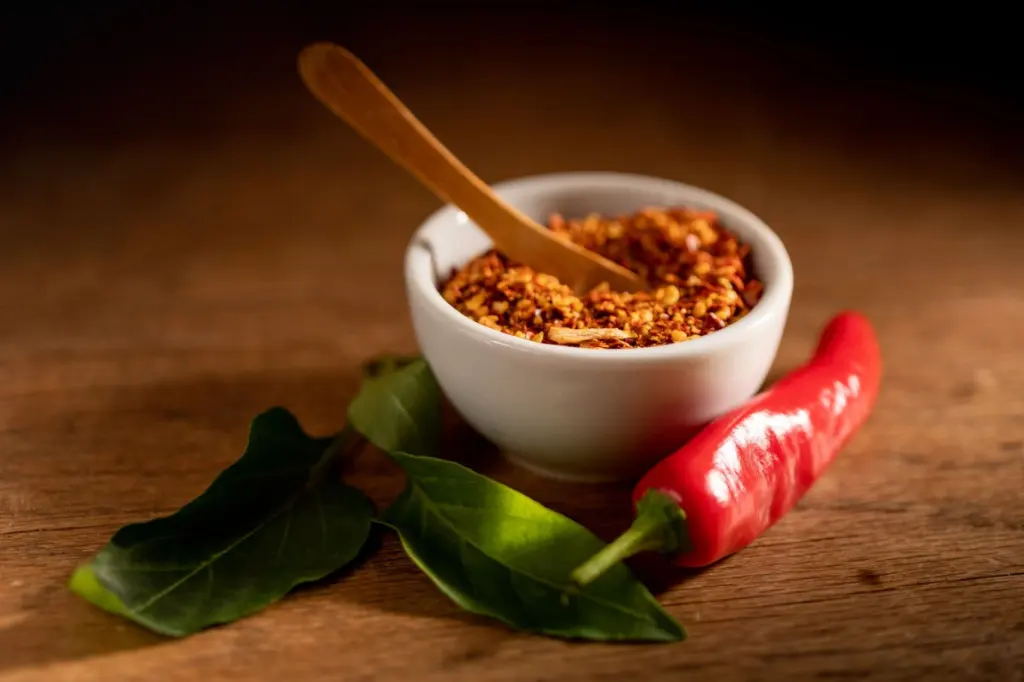
Heat in hot honey depends on the amount of chile, the type of chile and how long it steeps. Weeks Honey Farm treats a teaspoon of red pepper flakes and a short steep as the mild end, and says hotter peppers give more fire. Chili Pepper Madness agrees that you can use fewer peppers for a milder infusion.
- Mild and flexible: use red pepper flakes at the low end with a 5-minute steep. This suits dessert use, mixed company and a first batch you want to adjust.
- Medium heat: increase the flakes or lengthen the steep, and taste as it sits. Tasting is the only reliable control, since the type of chile changes how fast heat builds.
- Extreme heat: Chili Pepper Madness suggests fresh or dried ghost peppers, 7 Pot, Trinidad scorpion or Carolina Reaper for a really spicy version. Make these deliberately and label the jar.
Your choice of pepper also decides how long the jar lasts, which is the next consideration.
Storage and how long hot honey lasts
Hot honey made with dried peppers keeps 3 months or longer in a sealed glass jar in a cool, dark place, according to Chili Pepper Madness. A farmers’ market recipe using dried red chile simply says to keep it at room temperature. Weeks Honey Farm adds that dried chiles keep the honey shelf-stable for longer than fresh ones.
Fresh peppers change the plan. Chili Pepper Madness calls fresh-pepper hot honey more perishable and says to store it in the refrigerator. Weeks Honey Farm explains why: fresh peppers carry moisture, so strain them out, refrigerate the honey and use it within a few weeks.
The practical rule is to pick the pepper form based on how you will store it. Choose dried flakes if the jar will live in the pantry and be used over months. Choose fresh peppers only for a small batch you will finish soon. Refrigeration has a cost, because raw honey may become crystallised in the refrigerator.
What hot honey is made of
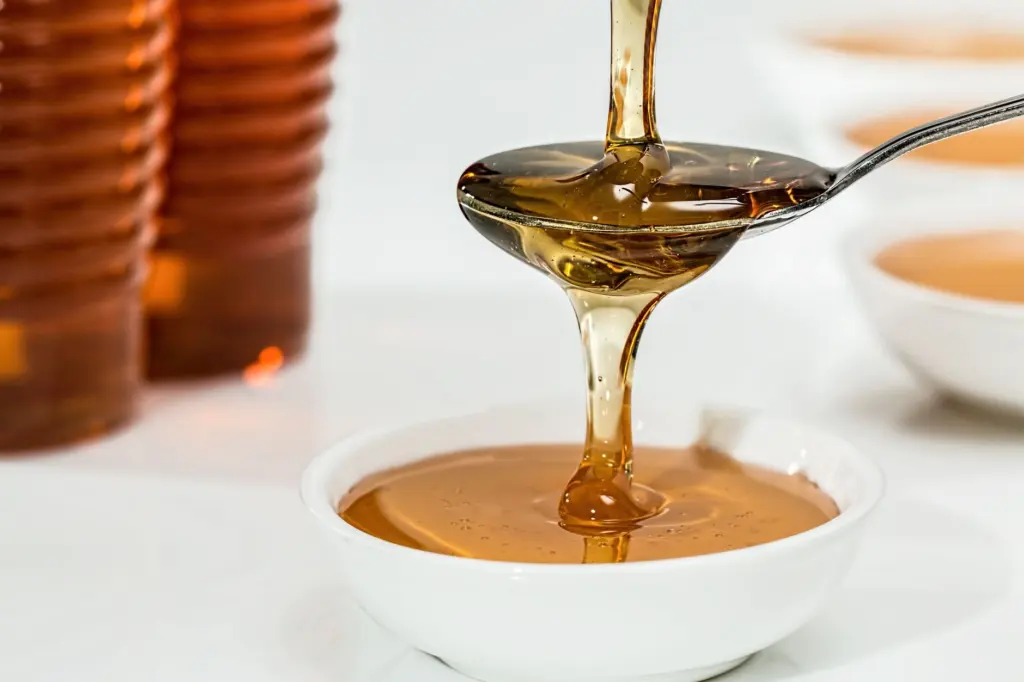
Hot honey is honey that has been infused with fresh or dried chili peppers to create a sweet and spicy condiment, per Chili Pepper Madness. Weeks Honey Farm describes it as simply raw honey infused with chile peppers. Simple Simon and Co notes that some versions are made with hot sauce instead of whole peppers.
Infusion means the peppers sit in warmed honey so their heat passes into it. That is why steeping time matters, and why two jars with the same ingredients can taste different. It also means hot honey is a short-ingredient product: honey, chilies and sometimes a splash of apple cider vinegar.
Making hot honey at home
The published ratios vary, which is useful because it shows how much room you have. Pick the version that matches how hot and how shelf-stable you want the result.
- Chili Pepper Madness: 1 cup honey, 2-3 tablespoons chili flakes and an optional 1 tablespoon apple cider vinegar, making 1 cup. It is heated at medium-low and simmered for 1-2 minutes.
- Weeks Honey Farm: about 1 cup raw honey with 1-2 teaspoons dried chile flakes. The honey is warmed until it loosens, then steeped off the heat for 5 to 30 minutes, tasting along the way.
- Farmers’ market recipe: 10 oz local honey, 3 tbs dried red chile flakes and 2 tsp apple cider vinegar. It is heated over medium until bubbles appear at the edges and bottom of the pot, then infused for about 5 minutes off the heat.
The flake quantity runs from 1-2 teaspoons per cup in the gentlest recipe to 2-3 tablespoons per cup in the strongest, so decide your heat first and work backward.
- Warm the honey gently in a small pan until it loosens and flows. Do not let it boil; Weeks Honey Farm says never to let it bubble or boil.
- Stir in the chili flakes or sliced fresh chile. For the stovetop version, simmer at medium-low for 1-2 minutes.
- Take the pan off the heat and let the honey steep, tasting as it sits, until the heat suits you.
- Strain out fresh peppers before storing. Dried flakes can stay in for a stronger, more rustic jar.
- Pour into a clean, sealed glass jar and store according to the pepper type.
The recipes differ on bubbles, so the cautious route is the lower, gentler heat. The vinegar is optional in the recipe that includes it, so leave it out if you prefer a purely sweet-hot flavour.
What hot honey is good on
Hot honey is good on salty, rich and roasted foods. The pairings named in the sources fall into a few groups.
- Pizza: Weeks Honey Farm suggests spooning it across pizza, especially pepperoni, sausage or a salty cheese pie.
- Fried chicken: it can be drizzled over fried chicken, chicken tenders or crispy chicken sandwiches for sweet heat.
- Roasted vegetables: glaze roasted carrots, Brussels sprouts or sweet potatoes before serving.
- Salads and cheese boards: Simple Simon and Co mentions mixing it into vinaigrettes and pairing it with charcuterie.
- Baked goods and proteins: the same source lists biscuits, cornbread, shrimp, salmon and wings.
- Dessert: Weeks Honey Farm names vanilla ice cream, which is a good place to use the mild batch.
Timing matters when heat is involved. In the Kitchen with Alexandra advises adding it near the end of cooking because it contains sugars, so treat it as a finish rather than a marinade you leave on a hot pan.
More trend ingredients to explore
If you like tracking ingredients that arrive in kitchens quickly, the guide to What Is A Matcha Latte? The Simple Guide To Taste, Benefits, And How To Make It (2026) – Bionicbites covers a drink-side trend, and Ube Vs Taro: How To Tell Them Apart And Which To Use In 2026 – Bionicbites sorts out two easily confused root ingredients.
Frequently asked questions
Can I make hot honey with hot sauce instead of chilies?
Yes. Simple Simon and Co describes hot honey as honey infused with chili peppers or hot sauce, so a hot-sauce version is a recognised variation.
What should I do if my hot honey crystallises?
Chili Pepper Madness says raw honey may crystallise in the refrigerator and can be loosened by gentle warming in a water bath or the microwave.
Can I use hot honey in drinks or dessert?
Yes. A New Mexico farmers’ market recipe mentions tea, and Weeks Honey Farm suggests vanilla ice cream. Use a mild batch for both.