Knowing how to find authentic local food when traveling starts with one decision: whose recommendation you trust. A resident or a local-insider guide usually beats a hotel desk, and food safety rules then decide which stalls and tables you actually eat at.
The decisions below run in order: judge the risk level, choose your source, decide how to eat on the street, then add markets, classes or tours. If food is one part of a longer journey, how to eat healthy while traveling covers the balance side. For drives where you choose every stop yourself, these road trip food ideas are a better fit.
Start with the risk level of where you are going
The first filter for any trip is not the cuisine but how much caution the destination calls for. Harvard’s global support guidance on food and drink safety while abroad says developing countries pose the highest risk for food and water illness. It names most of Asia (excluding Japan), Africa, the Middle East, Central and South America, and Mexico. That does not mean skipping local food in those places. It means choosing how you eat it more deliberately.
Once you know your risk level, judge every meal against these criteria:
- Who recommended it. A tip from a resident or a local-insider guide carries more weight than a generic list of popular places. The next section explains why.
- How the food is handled. Harvard notes that food cooked thoroughly and served hot is usually safe, so preparation matters more than the type of venue.
- Who owns the place. Travel Local describes locally sourced food and local establishments as generally a better option than global chains. Local ownership is a quick, practical signal of authenticity.
In higher-risk regions, give the handling criterion the most weight. Lean on restaurants, dishes cooked to order and guided experiences. Elsewhere the same habits still help, but the recommendation and the dish itself can drive more of your plan. Either way, the best preparation is to learn which dishes define the place before you arrive. The sections below show how.
Finding recommendations you can trust
Authentic food is mostly a sourcing problem. The restaurants that appear first in a search or a hotel brochure are rarely the small kitchens locals use, so the question is who you ask and what you read.
Residents before hotel desks
Hotel concierges are a convenient starting point, but a Rewards Network travel food guide points out that they typically do not recommend the small, hyper-local spots. For that, it says, you need a true resident. The practical lesson is to match the question to the person. A concierge is useful for logistics, such as opening hours and transport. Someone who lives in the neighborhood is the better source for where to eat on an ordinary evening.
Residents you can reach include your host, a shop owner near your lodging, a colleague with a local connection or a friend of a friend. Ask for specifics rather than a general favorite. “Where would you take family for dinner?” and “What should I order there?” produce better answers than “What’s good here?” Write the dish name down. A named dish is also easier to check later against a guide or a menu.
Reading reviews for the writer, not just the score
Review platforms are useful once you read who wrote the review. The same Rewards Network guide notes that most reviewers specify right in the review whether they were in town traveling or are locals. Use that detail as a filter. A restaurant praised mainly by visitors tells you it is easy to find and pleasant for tourists. A restaurant praised by residents tells you something about everyday quality.
When the two groups disagree, decide what you want. If you are after the local standard, weigh the residents’ comments more heavily and use the visitors’ comments for practical details such as how to order.
Listing apps and curated guides
Two kinds of digital tools help. The first is a location-based listing app. Rewards Network describes one that gives users a list of independently owned, local shops and restaurants near them, which works well when you are on foot and hungry in an unfamiliar area. The second is a curated guide. Two Forks and a Passport describes destination guides put together by local insiders, covering everything from street food to fine dining. It also highlights a feature that is easy to overlook: recommendations for what to actually eat at a place, not just where.
Dish-level advice solves a common problem. Arriving at the right restaurant and ordering the wrong thing still gives you a mediocre version of the local cuisine. Use listing apps to find candidates and curated guides to decide what to order.
Street food: when to eat it and how to choose a stall
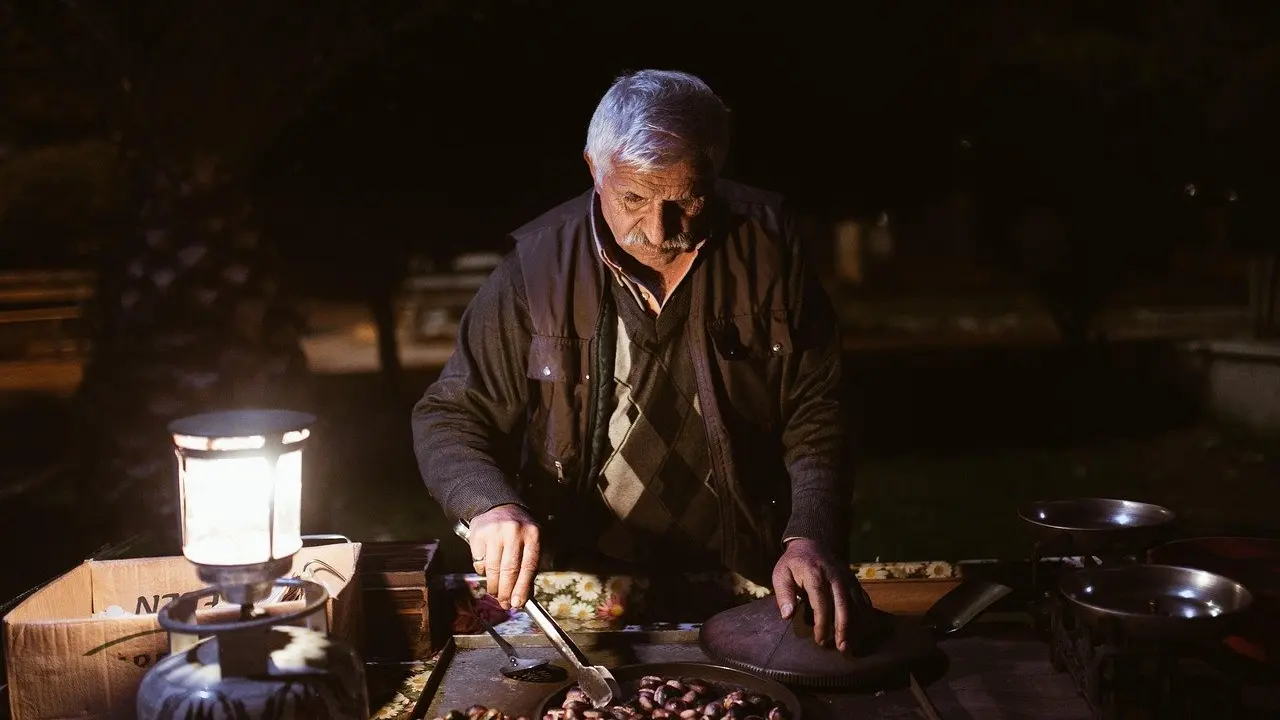
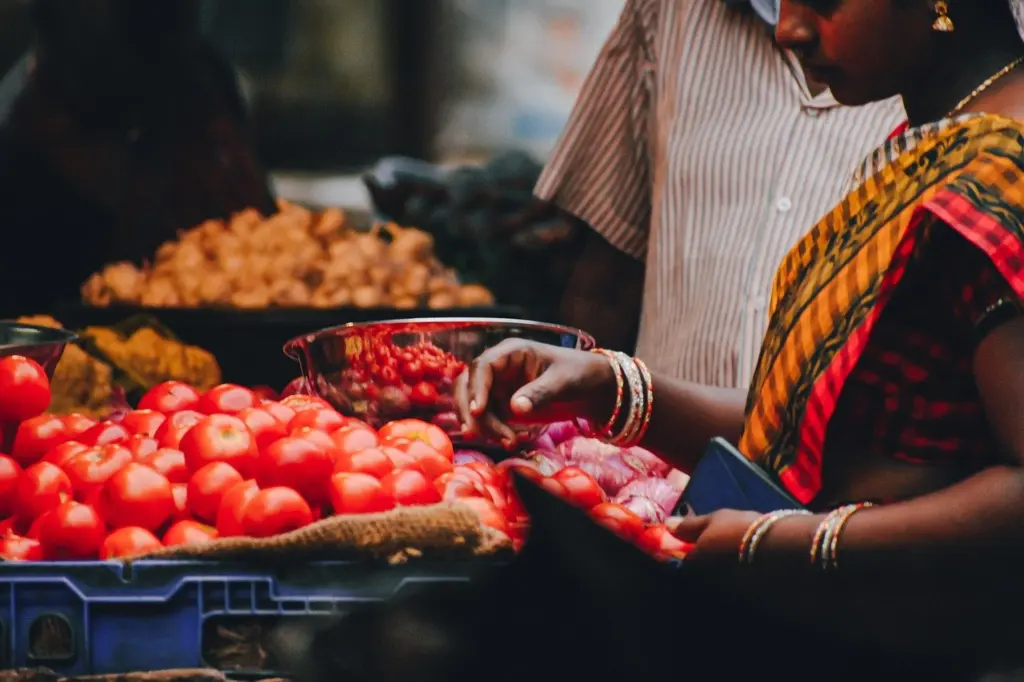
Street food is the most debated choice in food travel because it is both the most vivid local experience and the most cautioned against. The CDC’s food and water safety guidance for travelers says to avoid eating food from street vendors. Harvard gives the reasoning: street vendors in many developing countries may not be held to the same food safety standards as restaurants.
So, is street food safe to eat? It depends on the destination and on how you eat it. In the higher-risk regions described above, the official advice is to avoid it, and a restaurant is the more conservative default. If you decide to eat from a stall anyway, the CDC says to follow the normal rules: avoid raw vegetables and eat food cooked and steaming hot. Treat that as the price of admission, not an optional extra.
If you decide to eat at a stall
- Choose food that is cooked in front of you. Harvard explains that high heat kills dangerous germs, so a dish grilled, fried or boiled to order and served hot is a better bet than one that was prepared earlier.
- Take the steam test seriously. The CDC’s wording is steaming hot. Food that arrives warm or lukewarm is the one to send back or leave.
- Skip the raw extras. Raw vegetable garnishes and side salads are the parts of a street meal the CDC tells you to avoid, so politely decline them.
- Be wary of food that has been sitting. The CDC notes that germs that cause food poisoning grow quickly in the danger zone, between 40°F and 140°F. Food that has been left warm rather than kept hot deserves a pass.
When a restaurant is the better answer
Authentic does not have to mean on the pavement. A small, locally owned restaurant often serves the same regional dishes in a setting where you can see cooked-to-order service and ask questions. If your itinerary is tight, if you are traveling with people for whom an upset stomach would wreck the trip, or if you are in a higher-risk region and cannot find a stall that passes the checks above, choose the family-run restaurant and keep the stall for another day. Nothing in the official guidance suggests that you lose the local experience by doing so.
Water, drinks and fresh produce
Beyond street stalls, the risks that catch travelers out are usually the ordinary ones: water and raw produce. The CDC’s advice is to avoid drinking tap water in countries where it might be contaminated, so check before the trip whether your destination is one of them. If it is, treat anything made with that water as part of the same decision.
Harvard lists the higher-risk items made from unwashed produce: fruit and vegetable platters, fresh-squeezed juice, salads and fresh salsas. The CDC goes further on one of these and says to avoid fresh salads, even if finely cut or shredded. Neat presentation tells you nothing about how clean the ingredients were.
These rules need not cost you the cuisine. In practice, order the cooked vegetable dish instead of the salad. Take the stewed or grilled option over the platter of raw fruit. Leave the fresh salsa at the table and enjoy the hot components of the plate. Local food is mostly cooked food, and the restrictions mostly fall on the cold extras.
Markets, cooking classes and food tours
If street stalls are the high-variance option, these three are the structured ways to meet local food. They differ in cost, time and what you take away, so pick by what you want from the trip.
Local markets
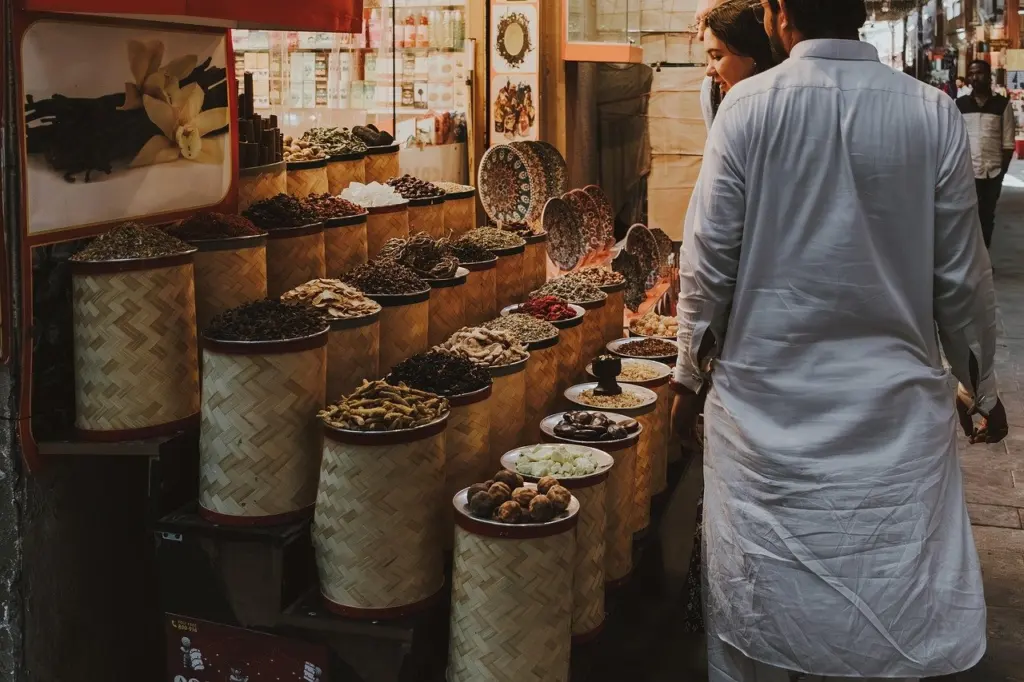
Travel Local calls it a fun and wholesome experience to visit farmers’ markets on vacation, and notes that they offer fresh local produce and artisanal products while supporting local farmers and artisans. Markets are the quickest way to see what a region actually grows and makes, and the stalls teach you the vocabulary of the local kitchen before you meet it on a menu.
Treat a market as a place to look, buy and ask questions. Eat there by the same rules as any stall: cooked and hot, raw items avoided, and a cautious eye on anything made from unwashed produce. Items bought to take back to your lodging give you more control.
Cooking classes
Travel Local’s argument for cooking classes is simple: why just eat the food when you can take the skills home? Classes also support food tourism. A class suits travelers who stay in one place long enough to plan around it, and anyone who wants the trip to keep paying off in their own kitchen. It is a poorer fit for a quick stopover, where the same hours might go to tasting widely.
Food tours
Are food tours worth it? For many travelers, yes, with conditions. Travel Local says seasoned guides offer a dynamic, knowledge-backed experience of the food on offer and bring customers to local vendors. That is the main value: a guide handles the questions you cannot easily solve alone, namely which vendors to visit, what each dish is and how to order it.
- Best on arrival. A tour early in a stay gives you a map of dishes and neighborhoods to repeat on your own.
- Useful when language or menus are a barrier. A guide removes the guesswork about what to order.
- Less needed when you already have a resident’s tip. If a local has told you where to go, spend the tour budget on a class or an extra restaurant meal instead.
A tour does not suspend the safety rules. Apply the same checks at tour stops, especially for cold or raw items and food that has been sitting.
What to eat in a new city
The simplest answer to what to eat in a new city is to eat what the place is known for, cooked by someone who makes it every day. Travel Local’s examples show the idea: the perfectly balanced miso ramen in Sapporo, Japan; handmade pastries in Paris, France; and mole sauces in Oaxaca, Mexico. Each pairs a specific dish with a specific place, which is the formula to copy. Look up the dish a city is proud of, then use the sourcing methods above to find the kitchen that makes it best.
Decide your list before you land. A short list of named dishes keeps you from defaulting to whatever is nearest and gives you something to ask residents about. Add a second layer of dish-level detail once you reach a restaurant, because the right order at the right place is what separates the local version from a tourist version.
City and country guides to start from
These destination guides name signature dishes and where to find them. Pick the one nearest your route.
- Europe. Taste London: 10 Must-Try Popular Foods and Where To Find Them in 2026 – Bionicbites suits a city break. For a whole country, Taste France: 15 Famous Foods To Try In 2026 (From Croissants To Cassoulet) – Bionicbites sits alongside Taste Poland: 12 Iconic Dishes And Where To Try Them In 2026 – Bionicbites and Taste Of Greece: 12 Popular Foods To Try In 2026 (A Flavor Guide) – Bionicbites.
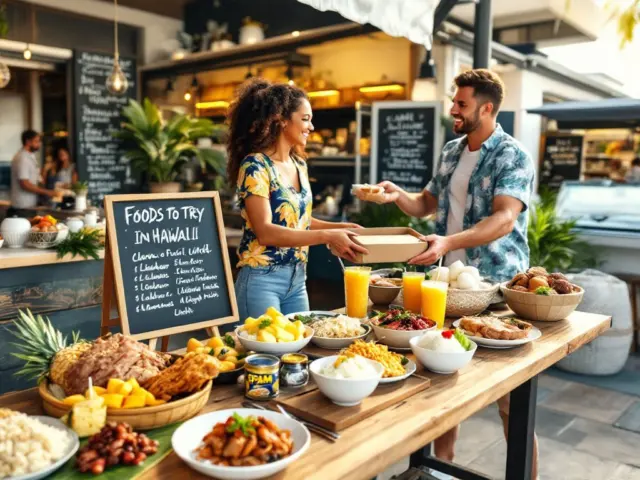
- Islands and the tropics. Taste Of The Tropics: The Top 10 Most Popular Foods In The Dominican Republic (2026 Guide) – Bionicbites and Taste Hawaii: 12 Iconic Foods To Try On Your First Trip (And Where To Find Them) – Bionicbites cover warm-weather destinations where markets and casual eateries matter.
- Big US food cities. What To Eat In NYC: 25 Iconic Bites And Where To Find Them In 2026 – Bionicbites and What To Eat In Chicago: The 2026 Local’s Guide To Deep-Dish, Dogs, And Hidden Gems – Bionicbites suit travelers building a trip around a single city.
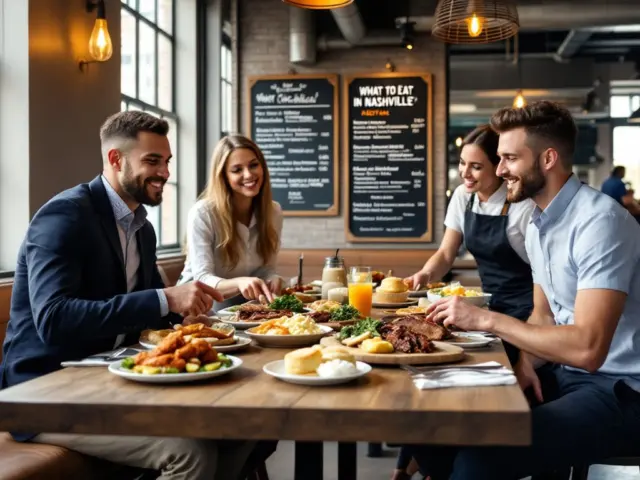
- Regional US stops. What To Eat In Vegas: 20 Iconic Dishes, Smart Budget Picks, And Where To Find Them In 2026 – Bionicbites, What To Eat In Seattle: A Local’s Guide To 15 Must-Try Dishes (2026) – Bionicbites, What To Eat In San Antonio: 10 Must-Try Dishes And Where To Find Them (2026 Guide) – Bionicbites, What To Eat In Nashville: The 2026 Food Lover’s Guide To Must-Try Dishes And Where To Find Them – Bionicbites and What To Eat In San Diego: Your 2026 Local Food Guide To Tacos, Seafood, And Neighborhood Eats – Bionicbites each give a focused starting list.
Some cuisines come with etiquette as well as dishes. If your plan includes grilling at the table, How To Eat Korean BBQ Like A Local: A Simple Step-By-Step Guide For First-Timers (2026) – Bionicbites walks through the order of a meal. And if mornings are where you want to explore, breakfast around the world shows what locals eat first thing and where to try it.
Choosing an approach at a glance
Each route to local food trades convenience for depth. Use this comparison to pick the one that fits the day, not the whole trip. Most travelers combine two or three.
| Approach | Suits | Planning use |
|---|---|---|
| Resident recommendation | Finding small, hyper-local spots | Ask for a specific dish and the reason it is the local favorite |
| Hotel concierge | Logistics and general orientation | Often does not recommend small hyper-local places, so treat as a starting point only |
| Food tour | Arrival day or unfamiliar menus | Guides bring you to local vendors; keep the same safety checks |
| Farmers’ market | Fresh local produce and artisanal products | Good for seeing the region’s ingredients; supports local farmers and artisans |
| Cooking class | Longer stays and cooks | Teaches skills you can take home and supports food tourism |
| Locally owned restaurant | A reliable authentic meal | Generally a better option than a global chain |
These comparisons draw on Rewards Network’s travel food guide and Travel Local’s guide to eating local.
Bringing the trip back to your restaurant choices
The habits that surface good food abroad work at home too. Choosing a locally owned place over a global chain, reading who wrote a review and ordering by dish name are all portable. A trip is a useful training ground because the contrast is sharp: you learn what a place’s own cooking tastes like, and then you notice when a restaurant at home is doing something similar or something watered down.
The tool that makes this stick is a record. Two Forks and a Passport describes an app that keeps organized lists of places you want to try and ranks the places you have already been. Even without an app, a simple wish list before departure and a ranked list afterward gives you a personal benchmark. When you next choose a restaurant, you compare it with the best meal on your list rather than with a rating on a screen.
Frequently asked questions
Should I carry hand sanitizer when eating on the road?
Yes. When soap and water are not available, the CDC advises an alcohol-based hand sanitizer that contains at least 60% alcohol. It is most useful before eating at a stall or market.
Are sealed fizzy drinks a safe choice?
Generally, yes. The CDC says carbonated drinks in bottles or cans, such as sodas or sparkling water, are typically safe, which makes them a dependable option where tap water might be contaminated.
What illness should I plan around?
Travelers’ diarrhea. Harvard describes it as the most common travel-related illness and notes there are steps you can take to avoid it. Those steps are the cooked-and-hot, no-raw-extras habits in this guide.
How do I read an unfamiliar menu?
Use a food dictionary app. Rewards Network mentions one featuring more than 2,100 food-related terms, which helps you decode ingredients and preparation before you order.