| Dish or area | What is supported | Planning use |
|---|---|---|
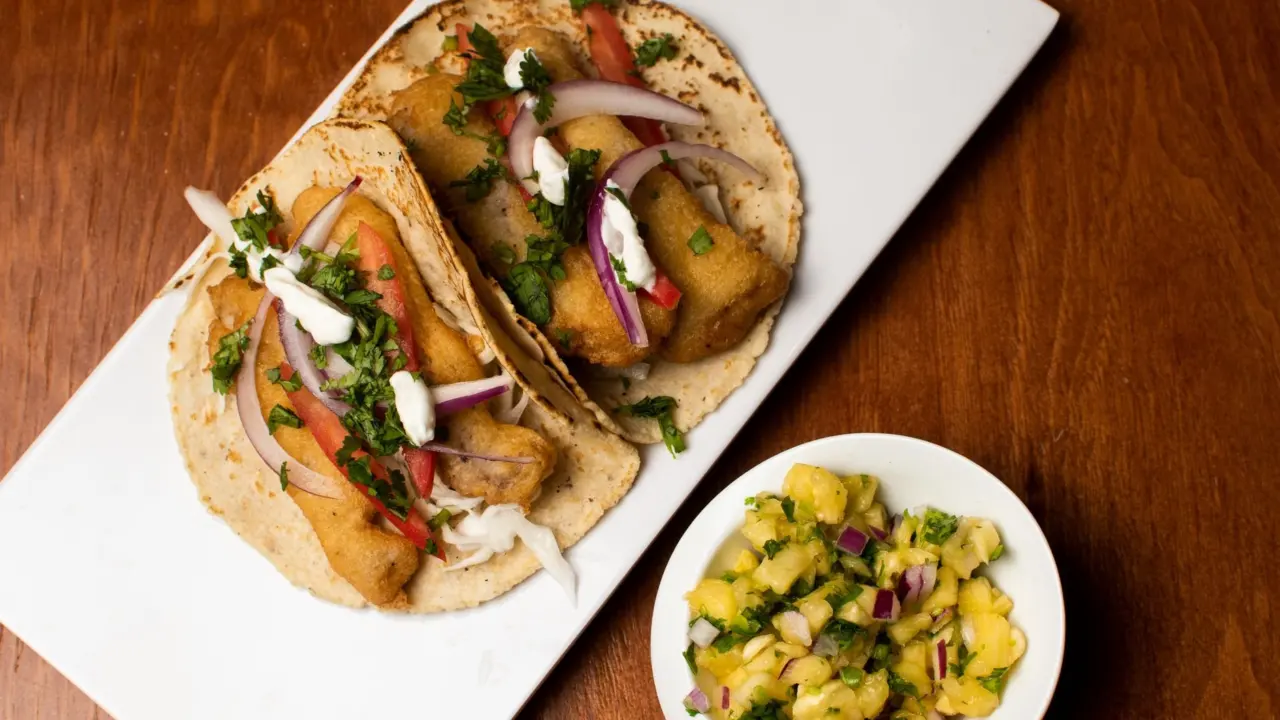
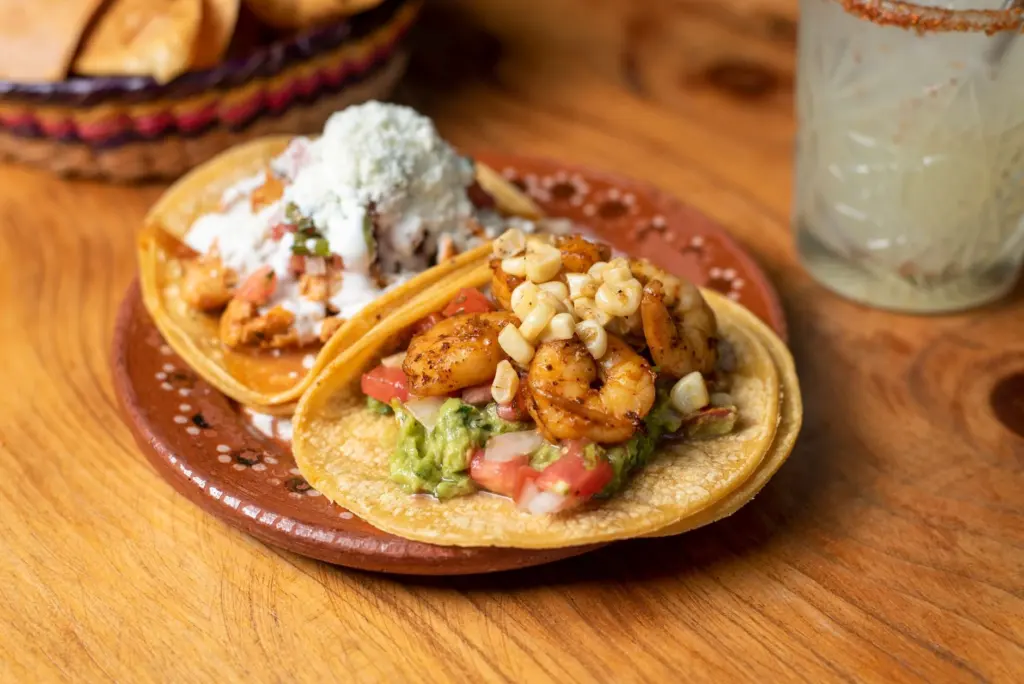
| Fish tacos | A chunk of unnamed white fish, breaded or not and fried, sauced with thinned mayonnaise, in a corn masa or refined wheat tortilla with sliced cabbage and cheese shreds | Treat fried fish, cabbage and a creamy sauce as the baseline and judge a shop by how well it handles them |
| Ceviche | Café Secret in Del Mar is a Peruvian restaurant that specializes in ceviche from sustainably harvested seafood | Look for restaurants that specialize in ceviche rather than ordering it as a side item |
| Seafood freshness | Seafood in restaurants tasted fresh, though none on the menus reviewed was listed as local | Do not assume that fresh-tasting seafood is local; ask when sourcing matters |
| Little Italy | A 48-square-block neighborhood with more than 70 restaurants, bars, taprooms and cafes (May 2017) | Choose it for a several-stop evening in a compact area |
| Little Italy dishes | Chowder and lobster rolls at Ironside Fish & Oysters; Focaccia di Recco at Davanti Enoteca (May 2017) | Check current menus and prices before you go |
Dish descriptions and Little Italy figures come from A Gardener’s Table’s San Diego write-up and the Bend Bulletin’s May 2017 Little Italy feature.
What to eat in San Diego comes down to fried white-fish tacos, a ceviche specialist and a seafood-led meal in Little Italy. Start with the tacos, then spread the rest across neighborhoods.
The same choices apply on any trip, and our guide to how to find authentic local food when traveling covers the wider approach.
Fish tacos and how to order them
Fish tacos are the safest first order in San Diego, and the choice that matters most is how the shop prepares the fish, not which toppings sit on top.
What a standard fish taco contains
A Gardener’s Table describes the local filling as a chunk of unnamed white fish, breaded or not, fried and then sauced with thinned mayonnaise. The tortilla is made from either corn masa or refined wheat, and the taco is topped with sliced head cabbage and yellow and white cheese shreds. Diced tomato or salsa is an optional extra.
That description has practical consequences. The fish is defined by texture and sauce more than by species, so a menu that simply says “fish” is not a warning sign. Because both tortilla types are common, ordering one of each at a shop that offers the choice is a cheap way to find your preference. If a shop strays far from this build, treat it as a variation rather than the local standard.
Choosing the fish and the cooking method
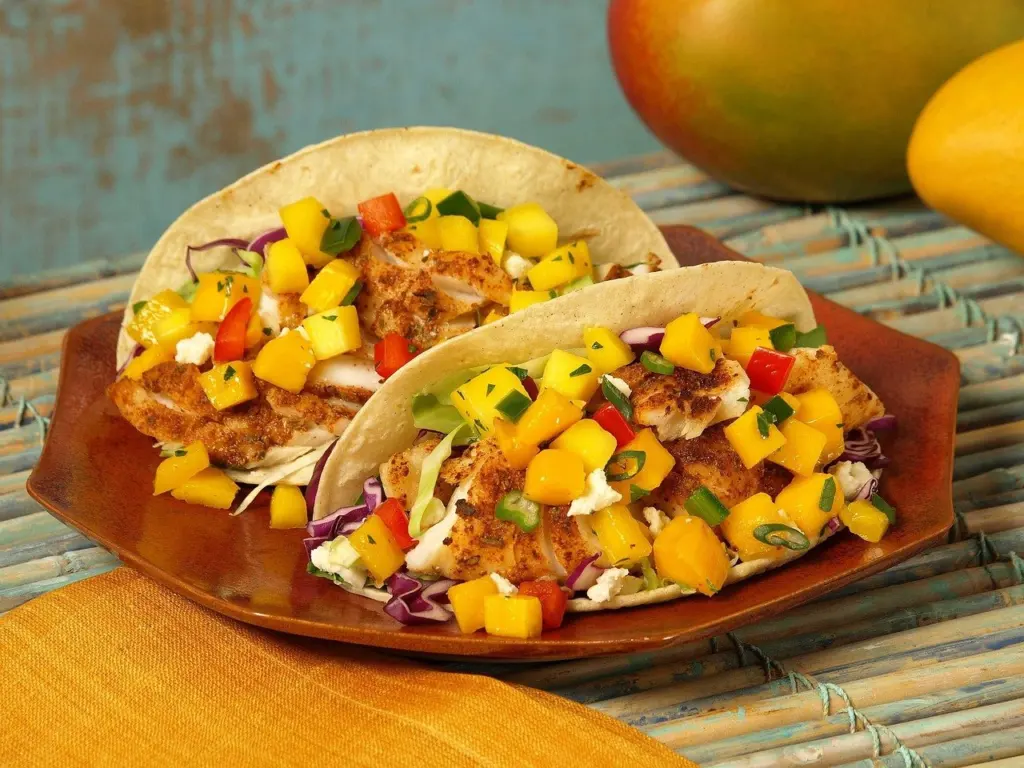
Taste Bud Travels praised a fish taco shop where diners chose the fish, then the seasonings, then whether the fish was fried or grilled. That format suits anyone who wants to compare the classic fried version with a lighter grilled one in a single meal.
The same guide notes that Pacific Beach Fish Shop was out of halibut on the writer’s visit, so they ordered Ono fish tacos instead. The lesson is to arrive with a second-choice fish in mind. A shop with a short, changing fish list is a better sign than one with an endless menu, but you should expect the preferred option to run out occasionally.
Ceviche and the question of fresh seafood
Ceviche is best ordered where it is the specialty, and fresh-tasting seafood in San Diego does not automatically mean locally caught seafood.
Where ceviche stands out
A Gardener’s Table points to Café Secret, a Peruvian restaurant in Del Mar that specializes in ceviche from sustainably harvested seafood. For a visitor, that is a more concrete reason to make a trip than a generic menu listing, because the kitchen’s whole focus is the dish and the sourcing is stated.
Not every ceviche follows a classic template. Taste Bud Travels shared a coconut seafood ceviche at Miss B’s Coconut Cafe and was still thinking about it afterwards. If you have already eaten a standard version, a creative one like that is a good second order, since the two show how wide the dish ranges.
Fresh does not mean local
The same A Gardener’s Table review found that, in restaurants, the seafood always tasted fresh, though none on the menus they saw was local. For diners, the implication is straightforward. Quality is a reasonable expectation across the city, but a premium price is not proof of a local catch. If origin matters to you, ask the server directly or favor a restaurant that states its sourcing.
Anyone planning several restaurant meals back to back may also find our notes on how to eat healthy while traveling useful for pacing seafood-heavy days.
Little Italy for a food-led evening
Little Italy is the best-supported neighborhood in this guide for a multi-course food outing, because it packs variety and seafood into a compact district.
Scale and range
The Bend Bulletin described San Diego’s Little Italy, 48 square blocks, as home to more than 70 restaurants, bars, taprooms and cafes as of May 2017. The same feature noted that the neighborhood’s Festa draws more than 120,000 visitors each year, so expect crowds if your trip overlaps with it.
The name is misleading if you assume only pasta. RankDine says Little Italy has everything from old-school Italian-American food to modern tasting menus, seafood, ramen, steak and casual breakfast spots. That breadth makes it a good place for groups with different tastes.
Seafood, steak and brunch choices
- Seafood: RankDine calls Ironside Fish & Oyster one of the better-known seafood choices in the neighborhood, and the Bend Bulletin singled out its chowder and lobster rolls. Choose this when you want a sit-down seafood meal rather than a taco counter.
- Splurge dinner: Born & Raised is a high-end steakhouse with a dramatic interior and rooftop space, a fit for an occasion rather than a quick bite.
- Brunch: The Bend Bulletin pointed to Kettner Exchange for avocado-burrata toast and a crispy chicken sandwich with arugula and chipotle aioli.
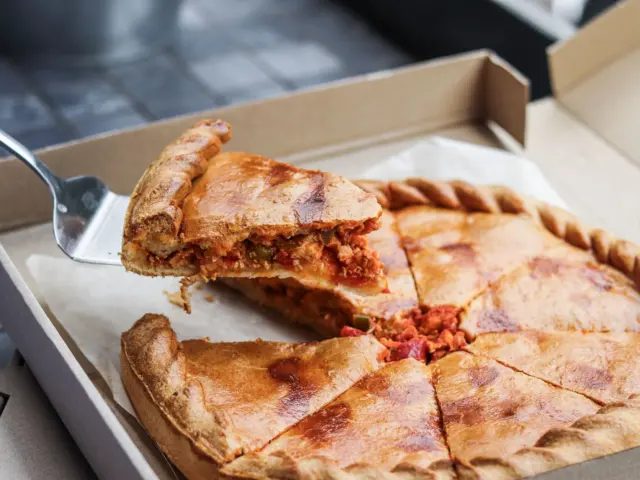
- Shared plates: Davanti Enoteca serves Focaccia di Recco, a Ligurian flatbread spread with soft cow’s cheese and honeycomb, which suits sharing at the table.
Reading the prices
The Bend Bulletin featured the chowder and lobster rolls at Ironside, the avocado-burrata toast and the crispy chicken sandwich at Kettner Exchange, and the Focaccia di Recco at Davanti Enoteca. All of these come from May 2017. Check current menus and prices before budgeting.
Putting the dishes and neighborhoods together
The evidence supports pairing each dish with the area where it is easiest to find, rather than trying to eat everything in one place.
- Fish tacos in Pacific Beach: Pacific Beach Fish Shop is a named stop, so go with a backup fish in mind.
- Ceviche in Del Mar: Café Secret makes the trip worthwhile if ceviche is a priority, since it specializes in the dish.
- Variety in Little Italy: Come here for a long evening with seafood, steak, brunch or shared plates in one district.
If you are comparing city food scenes before choosing a destination, What To Eat In Nashville: The 2026 Food Lover’s Guide To Must-Try Dishes And Where To Find Them – Bionicbites takes the same dish-by-neighborhood approach for a very different menu.
Frequently asked questions
What food is San Diego famous for?
Fish tacos lead the list: fried white fish, a creamy sauce, cabbage and cheese in a corn or wheat tortilla. Ceviche, especially at restaurants that specialize in it, comes next.
Where can you find the best fish tacos?
Look for shops that let you choose your fish and whether it is fried or grilled, as in the shop Taste Bud Travels described. Pacific Beach Fish Shop is a named option, though halibut ran out on one reported visit.
Which neighborhoods are best for food?
Little Italy offers the most variety, spanning seafood, steak, ramen, tasting menus and breakfast. Pacific Beach suits fish tacos, and Del Mar suits a ceviche specialist.