| Dish or area | What to expect | Planning use |
|---|---|---|
| Deep-dish pizza | A very thick crust topped with lots of sauce, cheese and toppings, often compared to a casserole | Treat it as a full sit-down meal and choose the pizzeria by its sauce and cheese style. |
| Tavern-style pizza | The city’s other pizza style; Eater notes that residents favor it | Order it alongside or instead of deep-dish if you want the local view. |
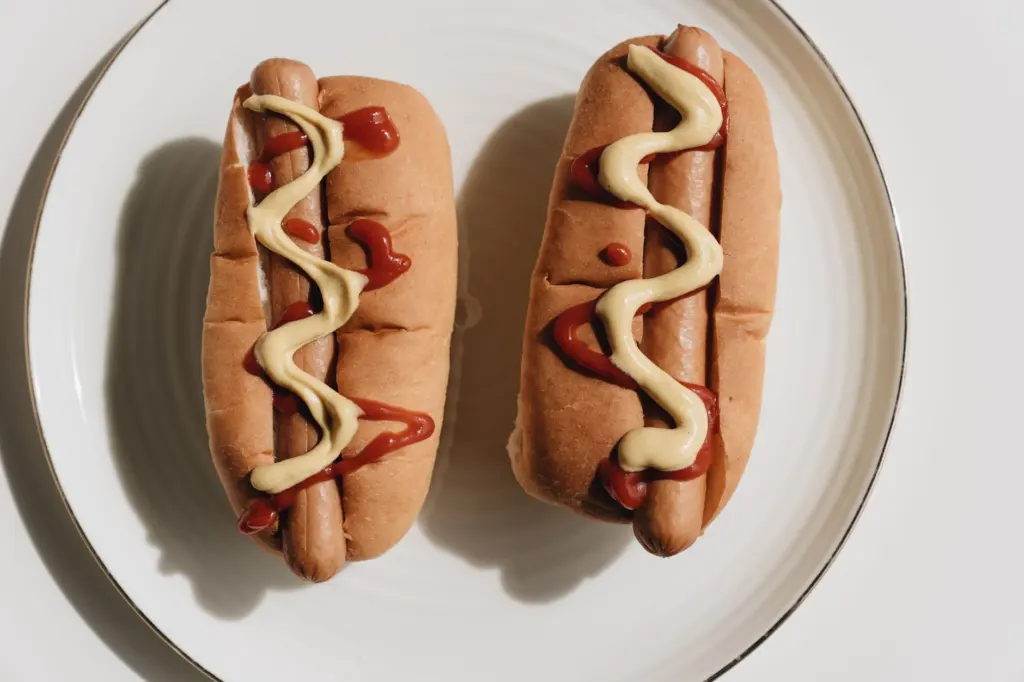
| Chicago-style hot dog | Traditional toppings include sport peppers | Look for the full set of traditional toppings rather than a plain dog. |
| Italian beef at Johnnie’s | Cash-only, with picnic tables only | Bring cash and plan to eat outdoors. |
| Jibarito in Humboldt Park | A sandwich served between two fried, flattened green plantains instead of bread | Choose it for a neighborhood meal in the heart of the city’s Puerto Rican community. |
These descriptions draw on Eater Chicago’s iconic dish crawl and Adventurous Kate’s Chicago food guide.
What to eat in Chicago starts with deep-dish pizza, Chicago-style hot dogs and Italian beef, then widens by neighborhood: the West Loop for newer restaurants, Humboldt Park for jibaritos, Logan Square for vegetable-led cooking.
For the wider method behind these picks, see how to find authentic local food when traveling.
What Chicago Is Known For Eating
Chicago is known for deep-dish pizza, Chicago-style hot dogs and Italian beef sandwiches, but the food scene is broader than any of them. Adventurous Kate puts it plainly: there is far more to Chicago’s food scene than deep dish pizza, and the city’s ethnic mix gives it varied food to match.
The practical consequence is that a single famous dish should not fill your whole trip. Eater Chicago points out that the city has two competing pizza styles, and that residents favor tavern-style. A visitor who only eats deep-dish sees half of the argument. Plan one deep-dish meal, then add a tavern-style pizza, a hot dog and a beef sandwich as lighter stops so the heavy meal does not crowd out everything else.
Deep-Dish Pizza: Planning Around the Pie
What the pie asks of you
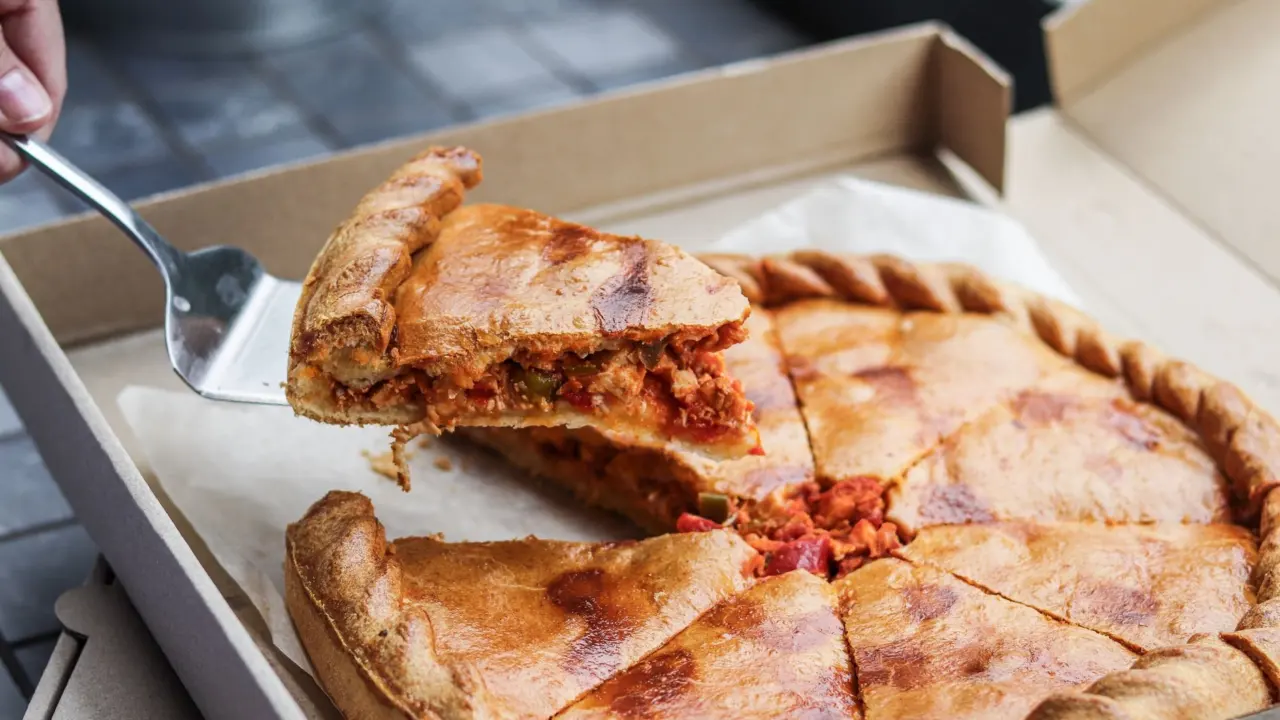
Deep dish is a casserole-like pie: a very thick crust piled with sauce, cheese and toppings. That weight shapes the day. Choose it for the meal you want to sit down for, and keep the rest of the day to small bites. If you are travelling with a group, a shared pie followed by a walk works better than a second sit-down stop afterwards.
Choosing a pizzeria
There is no single best deep-dish; the useful question is which style of pie suits you. The differences in the guides are about sauce and cheese:
- Pequod’s for caramelized edges. Its signature is mozzarella layered on the bottom of the crust, so the edges caramelize. It suits anyone who likes crisp, browned cheese.
- Pizano’s for a lighter sauce. Adventurous Kate describes its sauce as a big contrast to the heavier sauce at Pequod’s, after a tour that covered four pizzerias. It suits people who find a sauce-heavy pie too rich.
- Lou Malnati’s for the history. According to the Lou Malnati’s own account, Lou Malnati got his start in the 1940s working in Chicago’s first deep dish pizzeria, and the original Lincolnwood location opened in 1971. Pick it if lineage matters to you.
If you only have room for one, decide first between caramelized cheese and a lighter sauce, and let that choose the pizzeria for you.
Hot Dogs and Italian Beef
The Chicago-style hot dog
A Chicago-style dog is defined by its toppings, and Eater lists sport peppers among the traditional ingredients. When you order, look for a stand that serves the full traditional set rather than a basic dog with a couple of condiments. This is the easiest classic to fit between sights, because it needs no reservation and little time.
Italian beef at Johnnie’s
Eater’s crawl points to Johnnie’s, at 7500 W North Avenue in Elmwood Park, where the focus is the Italian beef sandwich, a Chicago giant. Two conditions shape the visit. The restaurant is cash-only, and seating is picnic tables only. Withdraw cash before you go and treat the stop as an outdoor meal, so check the weather. The address is in Elmwood Park, so confirm how you will get there before committing a lunch slot.
Neighborhoods Worth Planning a Meal Around
Neighborhood is the most useful filter in Chicago because each area is strong in a different kind of meal. The sections below turn that into decisions, with prices where the guides list them.
West Loop
The West Loop is the place for recent restaurant openings. JS Fashionista’s list of hot Chicago restaurants names Bellemore at 564 W Randolph St, Chicago, IL 60661, and Proxi, a newer addition at 565 W Randolph St, directly across the street. That makes the block a practical choice for a dinner where you want to compare two kitchens or have a second option if one is full. Treat it as a destination for a planned dinner rather than a quick lunch stop.
Logan Square
Logan Square suits a relaxed, upscale evening. Adventurous Kate highlights Longman & Eagle for upscale and trendy fare, and lists blog-listed prices of $18 for beef tartare, $15 for bone marrow and $15 for gem lettuce salad. Those prices are a helpful guide to the level of the menu, but menus change, so check the current one before you go. The same neighborhood is home to Daisies, covered in the vegetarian section below.
Humboldt Park
Humboldt Park is the heart of Chicago’s Puerto Rican community, and it is where to go for a jibarito. Eater describes the jibarito as a sandwich served between two fried, flattened green plantains rather than bread. It suits people who want something distinctly local that is not pizza, a hot dog or beef.
Gold Coast and the Magnificent Mile
Central, polished dining sits here. Margaux Brasserie, at 11 E Walton St in the Gold Coast, is one charming option on the hotspot list. For a lower-cost way to sample a restaurant group, Adventurous Kate’s price listings show how small plates can be a budget tool:
- The Purple Pig (Magnificent Mile area). Pig’s ear with kale, whipped burrata and duck prosciutto are all on the menu. Order several and share.
- Publican Quality Meats. Ribollita is $4 for a cup or $7 for a bowl, and a charcuterie plate is two for $8, three for $13 or five for $19. A cup of soup plus a few charcuterie picks makes a light, inexpensive lunch.
Prices are as listed in the guide and can change. Even so, small plates let you taste a restaurant’s style without committing to a full dinner.
Vegetarian Options
Yes, there are vegetarian options, and the best-supported choices sit in neighborhoods already on this list. Daisies, in Logan Square, is a chic Italian eatery that, according to JS Fashionista, puts vegetables and seasonal Midwestern ingredients at the center of the menu. It is a strong pick when a vegetarian is dining with meat eaters.
For a casual option, Eater notes that the jibarito menu at Jibaritos y Mas includes a vegetarian option alongside steak, ham, octopus and shrimp. That keeps a Humboldt Park meal open to mixed groups. Because the major classics are meat-based, vegetarians should plan around these neighborhood restaurants rather than hoping to improvise at a hot dog or beef stand.
How the City’s Food Map Works
Chicago’s food is organized by community and by era. Long-standing classics sit in their own pockets, such as the pizzerias, the beef stands and the Puerto Rican restaurants of Humboldt Park, while the newer, chef-led openings cluster in places like the West Loop. This is why a single list of famous dishes works poorly and a neighborhood-by-neighborhood plan works well: the ethnic mix that Adventurous Kate credits for the city’s variety is also what separates the areas from each other.
A simple plan follows from that. Pair each day with one area, fit a classic into it, and book the dinner-style places ahead. If you are comparing cities before you choose, What To Eat In NYC: 25 Iconic Bites And Where To Find Them In 2026 – Bionicbites lays out a similar bite-by-bite approach for New York. And if a meal on your trip involves a table-side routine you have not done before, How To Eat Korean BBQ Like A Local: A Simple Step-By-Step Guide For First-Timers (2026) – Bionicbites walks through the steps.
Frequently asked questions
Is there a classic old-school steakhouse in Chicago?
Gene & Georgetti is a long-running choice, serving steaks and Italian specialties since 1941. It suits a traditional sit-down dinner rather than a quick bite.
Where does Portillo’s fit in?
Portillo’s is best known for Chicago-style hot dogs and Italian beef sandwiches. According to the Lou Malnati’s guide, it began in 1963 when Dick Portillo invested $1,100 in a small trailer in Villa Park, IL, and it has since grown to more than 70 restaurants in 9 states.
Where can I eat on a rooftop in the West Loop?
Aba is a newer West Loop opening with a rooftop terrace, at 302 N Green St on the third floor, according to JS Fashionista. It suits a planned dinner rather than a casual stop.