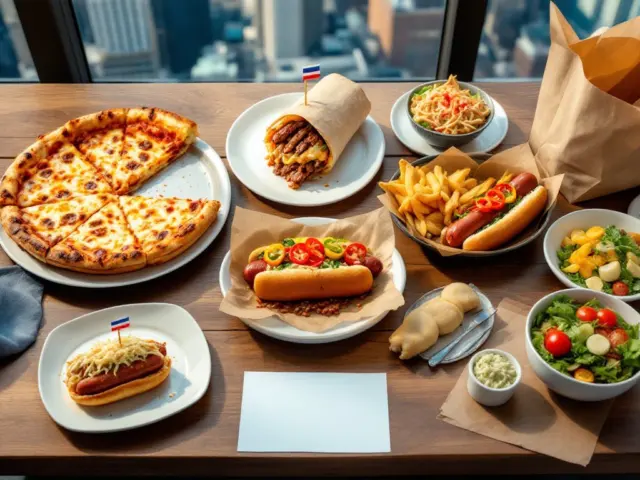
What to eat in NYC is a common question for visitors and locals. This guide lists 25 iconic bites and where to find them in 2026. It gives clear picks across neighborhoods, late‑night options, and practical tips. The list helps people plan food stops fast. Each item links a dish to a neighborhood and a type of place so readers can choose by taste and time. Read on for a broader set of recommendations and practical notes so you can decide what to eat in NYC with confidence, whether you have one afternoon or a week.
Key Takeaways
- Start your NYC food adventure with classic staples like a hand-rolled bagel with lox, a New York slice pizza, pastrami on rye, a soft pretzel, and a slice of cheesecake to experience authentic local flavors.
- Choosing what to eat in NYC by borough enhances your dining experience; Manhattan offers everything from everything bagels and pastrami sandwiches to Italian dinners and late-night dollar slices all within short walking distances.
- Late-night and street food options in NYC include falafel, gyros, halal plates, tacos, and quick snacks like bagels and soft pretzels, perfect for easy, speedy meals during nightlife hours.
- To eat like a local in NYC, plan lunch visits for better prices and portions, explore markets and food halls for variety, and check menus online for dietary accommodations like vegan or gluten-free options.
- Carrying small bills is useful for street food vendors, and tipping 15–20% at sit-down restaurants or rounding up at counters is customary for a good local dining experience.
Classic NYC Staples You Should Try First
New Yorkers and visitors often start with the city’s staples. What to eat in NYC begins with a good bagel. Seek a boiled, toasted bagel with lox and cream cheese. Try a hand‑rolled bagel shop for the best texture. Next, order a plain New York slice. The slice should have a thin crust, bright tomato sauce, and bubbled cheese. A deli sandwich is next: pastrami on rye with mustard. Also try a soft pretzel from a street cart. Finish with a cheesecake slice from a long‑running bakery. These staples give a clear baseline for local flavors and portion sizes.
Beyond those basics, expand your sampling to include lesser-known classics that reveal regional influences: an Italian‑style red‑sauce dinner, a New American brunch dish with locally roasted coffee, a Jewish deli knish or matzo‑ball soup, and a Puerto Rican or Dominican savory plate in neighborhoods with strong Caribbean communities. Look for places that display recent health inspections and clear menus so you can quickly evaluate portion sizes and ingredients. If you have time, pair staples with a local beverage: a fresh‑brewed coffee, an egg cream in a classic soda fountain, or a craft soda from a neighborhood market.
Neighborhood Picks: What To Order By Borough
Choosing what to eat in NYC by borough helps focus a short trip. Each borough offers specific styles and price points. The following borough picks list signature orders and the kinds of places that serve them.
Manhattan: Signature Orders And Where To Find Them
Manhattan gives many classic orders in compact areas. For breakfast, get an everything bagel with smoked salmon near a subway stop. For lunch, order a chopped salad or a pastrami sandwich on the Lower East Side. For dinner, try a red‑sauce Italian meal in an old‑school restaurant in the West Village. For a late‑night snack, buy a dollar slice in Midtown or a street hot dog near Times Square. Manhattan serves many styles within short walking distance, so people can taste different items in one day. Many places accept cards, but carry small bills for quick stands.
Also consider visiting food halls and markets in Manhattan if you want to sample several kitchens in one stop: these venues make it easy to compare a taco, a bao, and a classic deli sandwich without long waits. If you’re interested in specialty diets, Manhattan has more vegan and gluten‑free bakeries and full‑service restaurants with clear allergen notes on menus.
Brooklyn: Where To Find Creative Comfort And Neighborhood Classics
Brooklyn’s neighborhoods each have their own food personalities. In Park Slope and Prospect Heights, look for comforting brunch dishes and neighborhood bakeries. In Williamsburg and Bushwick you’ll find inventive takes on staples—pizza with creative toppings, wood‑fired sourdough, and international street food stalls. Carroll Gardens and Red Hook keep more old‑school Italian and seafood traditions.
Brooklyn is also a great place to try fusion cuisine and chef‑driven casual spots where small plates are designed for sharing. Markets and pop‑ups are common on weekends; they’re ideal for sampling foods from different vendors without committing to a full entree.
Queens: The Most Diverse Food Scene For Global Eats
Queens is where to go when you want authentic regional cuisines: South Asian curries, Colombian arepas, Greek tavernas, Chinese regional noodles, and Filipino snacks are available in neighborhood enclaves across the borough. Astoria and Jackson Heights are particularly well known for concentrations of well‑priced, authentic restaurants.
When deciding what to eat in NYC while in Queens, prioritize dishes that are specialties of their communities—handmade dumplings, charcoal‑grilled meats, and home‑style curries—because many of these places maintain recipes passed down through generations and offer large portions at lower prices than Manhattan.
The Bronx And Staten Island: Local Favorites Worth Seeking Out
The Bronx has a strong Latin food scene and iconic Italian pockets, along with comfort food delis and newly emerging bistros. Try hearty plates like roasted meats, empanadas, and regional stews. Staten Island, while quieter, offers seafood and neighborhood pizzerias reflecting the borough’s working‑class roots; it’s also where you can find robust, family‑run restaurants serving set‑menu dinners.
Across these boroughs, look for lunchtime specials and family‑style deals—they’re often the best value and a good way to sample local hospitality and larger portion sizes.
Late‑Night, Street Food, And Quick On‑The‑Go Options
Late‑night food in NYC often means simplicity and speed. Street carts sell falafel, gyro, kebab, and halal plates until late. Food trucks park near nightlife districts and offer tacos, burgers, and fusion bowls. For quick on‑the‑go, buy a bagel, a soft pretzel, or a dollar slice. Many bodegas sell coffee, sandwiches, and packaged snacks 24 hours. For dessert late at night, find an ice cream shop or a bakery that stays open late. People should check local rules: some carts close earlier in bad weather.
When choosing a late‑night vendor, look for visible safety practices: gloves or tongs, clear heating equipment, and a steady stream of other customers (a sign turnover is high). If you have dietary restrictions, ask about ingredients because many street‑food items are simple but may include common allergens like sesame, nuts, or dairy. Keep a small roll of cash for quicker orders and a reusable bag for takeaway packaging to reduce waste.
Practical Tips For Eating Like A Local (Budget, Dietary Needs, And Timing)
A few practical tips help people eat well on a budget. First, eat at lunchtime for lower prices and larger portions. Second, buy food from markets and food halls to sample several dishes for one price. Third, ask staff about portion sizes if the menu seems large. For dietary needs, call ahead or scan menus online for vegan, gluten‑free, and nut‑free options. Many places mark allergens on digital menus. For timing, avoid peak dinner hours to skip long waits. Finally, tip 15–20% at sit‑down places and round up at counters.
Additional local practices to know: if a place is busy at opening or closing times, that often signals a popular or reliable kitchen. Use transit time to plan stops—many neighborhoods are most walkable around a central corridor where multiple food options sit within a few blocks. Download or bookmark neighborhood maps and menu photos when you have wifi so you can compare without using data. If you’re on a strict budget, seek out daily specials, “no frills” delis, and ethnic bakeries, where high quality meets low price. Finally, be courteous to staff during busy service times and confirm whether a place accepts cards or prefers cash before ordering to avoid surprises.