| Food | What to expect | Planning use |
|---|---|---|
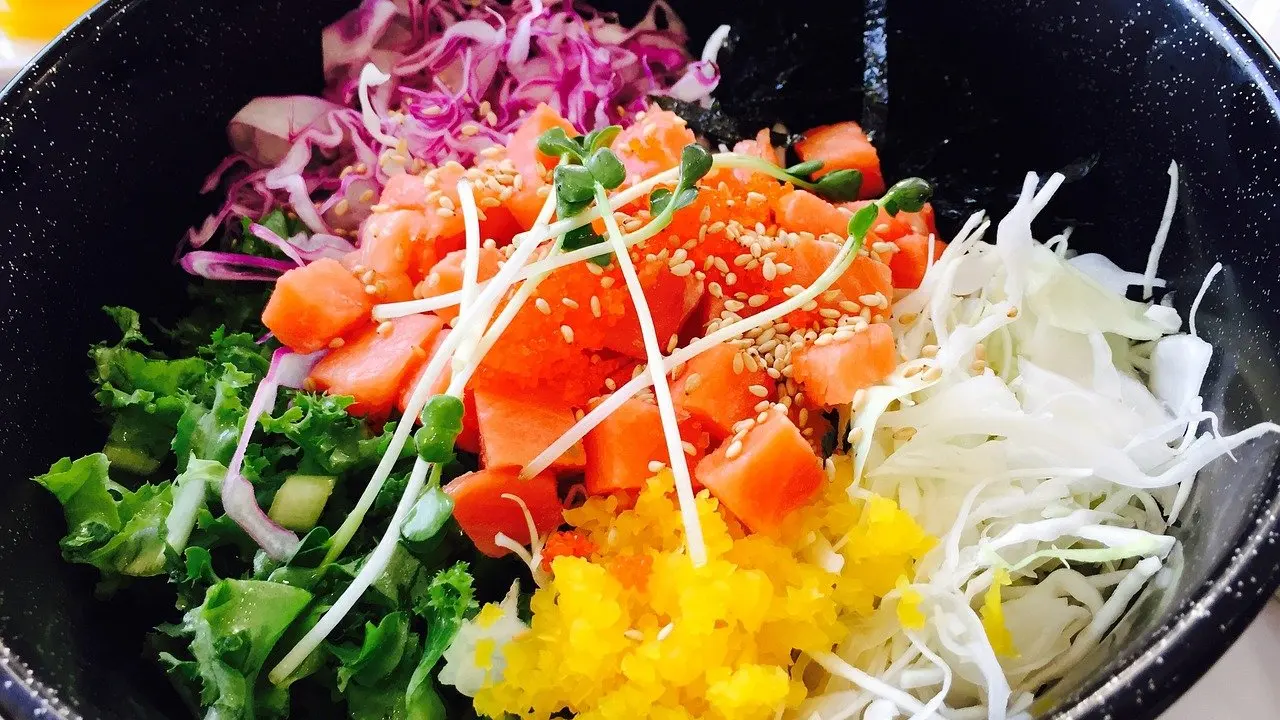
| Poke | A fish dish at its best when the fish is still quite fresh | Buy it early in the day, not as a late errand |
| Spam musubi | A slice of Spam luncheon meat and sticky rice wrapped in nori | Check a local supermarket or the nearest gas station convenience store |
| Plate lunch | Two scoops of white rice, a scoop of macaroni salad or potato mac, and a hearty entrée | An affordable, filling takeout meal; choose the entrée first |
| Loco moco | White rice topped with a ground beef patty, a fried egg and brown gravy | Treat it as a complete meal on its own |
Descriptions and timing draw on Cultured Table’s guide to food in Hawaii, and the affordability point on a Hawaiian plate lunch guide.
The best foods to try in Hawaii on a first trip are poke, plate lunch, loco moco, Spam musubi, shave ice and malasadas, and many of them are easier to find at grocery counters, convenience stores, drive-ins and bakeries than in restaurants.
Each food below comes with where to look for it. For the wider habits behind that approach, see our guide on how to find authentic local food when traveling.
Poke from grocery counters and fish markets
Poke is a marinated raw seafood salad, and on Oahu it is available in any grocery store deli case, as a budget-minded Oahu food guide points out. A Hawaii food roundup makes the broader point: the best poke is often found not in restaurants but in local grocery stores and fish markets, where it is sold by the pound. For a visitor, that changes the plan. Treat poke as a shopping stop rather than a reservation, because buying by the pound lets you take as much or as little as you want.
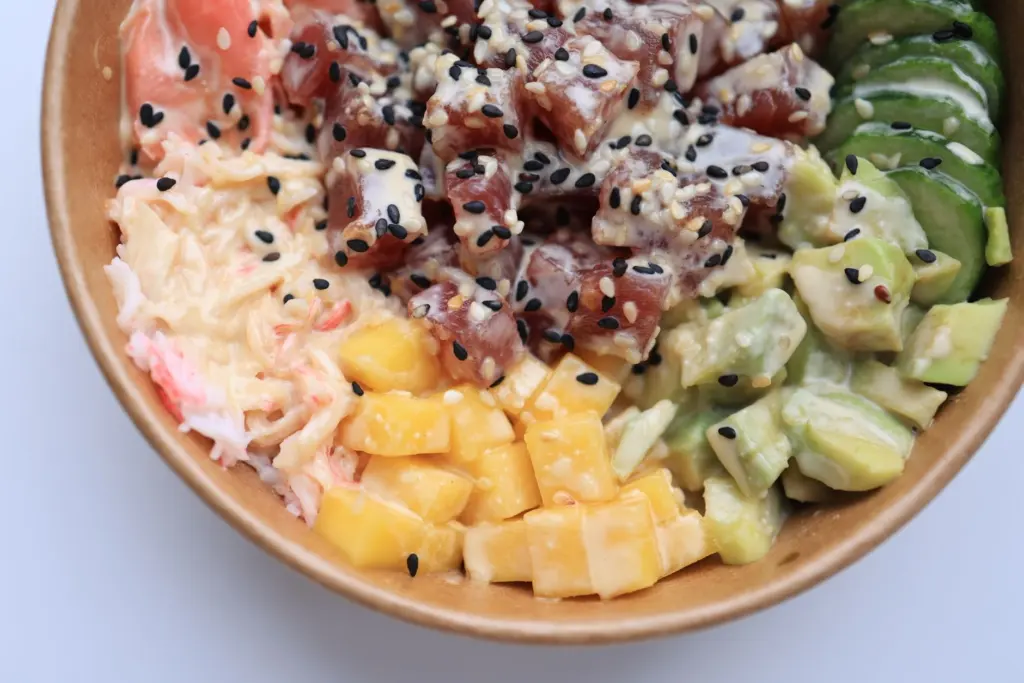
Timing matters as much as the venue. Cultured Table advises getting poke early in the day while the fish is still quite fresh. If poke is a priority, slot it into the morning or around midday so the fish is at its best, and leave it off the list of things to pick up at the end of a long beach day.
A tub from a deli case or fish market also works for anyone who wants lunch without a sit-down meal. It pairs naturally with the grab-and-go foods covered later in this guide.
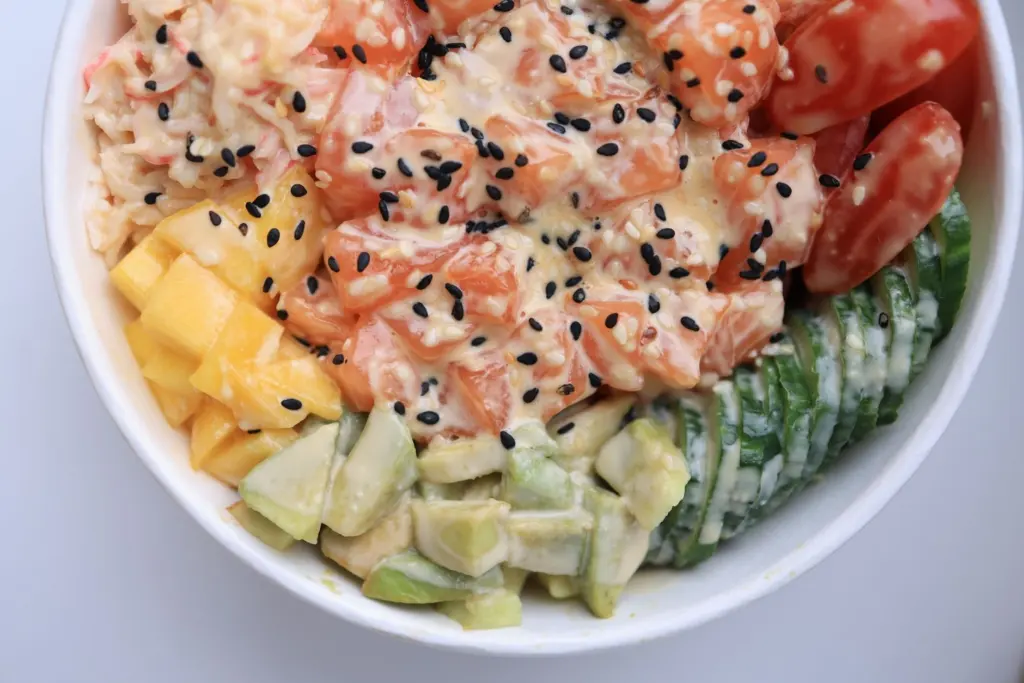
Plate lunch and loco moco
A plate lunch is Hawaii’s standard takeout meal: two scoops of white rice, one scoop of macaroni salad and a hearty entrée, as described in a plate lunch guide. Cultured Table notes that takeout counters always include two scoops of white rice and a scoop of macaroni salad or potato mac. The format was born in the plantation fields, where workers shared food from home, according to the Hawaii food roundup, and the plate lunch guide calls it an affordable, filling way to fuel a long workday.
That makes the plate lunch the clearest answer to which dishes are cheap. The Oahu guide mentioned above also says local food is possible without breaking the bank. Menu boards show current prices, so compare entrées at the counter before you order.
Choosing an entrée
- For something tangy and savory: mochiko chicken, garlic shrimp and teriyaki beef all appear on plate lunch menus covered in the guide. Garlic shrimp, chicken katsu and teriyaki beef also turn up at K and K Bar-B-Que Inn in Kailua, according to a Hawaii travel food list.
- For traditional island cooking: look for laulau and kalua pig combo plates, which Highway Inn is known for.
- For comfort-food leftovers energy: roast pork is one of the options at Mark’s Place on Kauai, so a counter with a rotating entrée list suits a first-timer who wants variety.
Loco moco
The standard loco moco is white rice topped with a ground beef patty, a fried egg and brown gravy. The plate lunch guide lists it among plate lunch proteins, described as a hamburger patty over rice, smothered in brown gravy and topped with a fried egg. Choose it when you want one dish that is already a full meal, and choose a regular plate lunch when you would like to pick the entrée yourself.
Spam musubi and convenience-store food
Spam musubi is a slice of Spam luncheon meat and sticky rice wrapped in nori. Cultured Table says to check the local supermarket or the nearest gas station convenience store, and the Oahu budget guide says it appears in any local 7-11. That is useful for travel days: you do not need a restaurant or a detour, only a stop you were already making for fuel or water.
It also suits anyone building a cheap lunch without a long wait, since the Oahu guide lists it among the local specialties to try on the cheap. Pick one up alongside a deli-case tub of poke and you have a local meal assembled from ordinary shops.
Shave ice and malasadas
Shave ice is finely shaved (never crushed) ice draped in tropical syrups, as the Hawaii food roundup describes it. Those two details are what to look for when choosing a stand: soft, fine ice and a range of tropical flavors.
Malasadas are the other sweet worth planning around. The same roundup notes lines for them on Oahu, and bakeries along the Hāmākua Coast on the Big Island keep the tradition alive. Expect to queue at the best-known names, and build that wait into a morning rather than squeezing it between other bookings.
Foods to try by island
Where you are staying decides which of these foods are within easy reach. The lists below tie each food to a named place from the guides cited above.
Oahu
- Rainbow Drive-In, Honolulu: has been dishing out plate lunches since the 1960s and sits near Waikiki, so it suits a first meal when you are staying in that area.
- Highway Inn, Waipahu and Kaka’ako: known for serving traditional island meals with home-cooked flair, including laulau and kalua pig combo plates.
- Matsumoto’s, Haleiwa: the iconic shave ice shack in town, with long lines.
- Waiola Shave Ice, Honolulu: serving some of the finest, fluffiest shave ice on the island since 1940, per the Hawaii travel food list.
- Leonard’s Bakery, Honolulu: a family-run bakery open since 1952 and a standard stop for malasadas.
Maui
- Tin Roof, Kahului: puts a modern spin on plate lunches, with dishes like mochiko chicken and garlic shrimp, per the plate lunch guide.
Kauai
- Mark’s Place, Lihue: a local comfort-food spot serving everything from roast pork to teriyaki beef.
Big Island
- Kaleo’s, Pahoa: try the Korean fried chicken plate or the garlic shrimp.
- Blane’s Drive Inn, Hilo: has served Big Island residents for decades and has a reputation for large portions and authentic flavors, so it suits a hungry traveler.
- Hāmākua Coast bakeries: the place to look for malasadas on this island.
Using the same approach elsewhere
Eating where locals buy lunch is not specific to Hawaii. If your plans stretch to other destinations, Taste Of The Tropics: The Top 10 Most Popular Foods In The Dominican Republic (2026 Guide) – Bionicbites and Taste Of Greece: 12 Popular Foods To Try In 2026 (A Flavor Guide) – Bionicbites take a similar dish-by-dish approach to those places.
Frequently asked questions
Where was the loco moco invented?
The loco moco was invented in Hilo in 1949, according to the Hawaii food roundup.
What is manapua?
Manapua is Hawaii’s take on the classic Chinese char siu bao, per the Hawaii travel food list.
What is li hing mui?
Li hing mui is a seasoning that is often sprinkled on fresh pineapple, mango or even shave ice, according to the same travel food list.