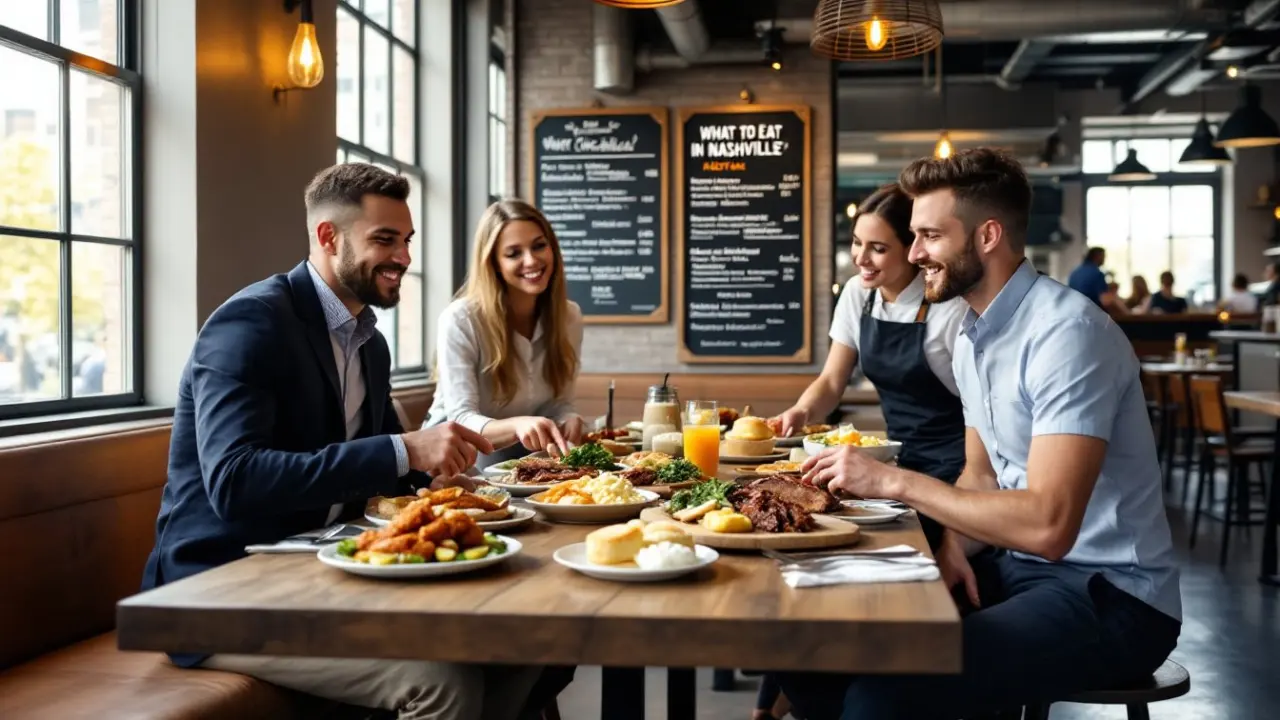
What to eat in Nashville matters to any food lover planning a visit. This guide lists key dishes, where to find them, and simple ordering tips. It helps visitors pick hot chicken, meat-and-three plates, biscuits, barbecue, and banana pudding. It saves time and reduces guesswork. It prepares visitors to eat well in Nashville neighborhoods and food halls. Beyond simple listings, this article explains how to pace a day of eating, how to combine dishes to get a true taste of the city, and practical swaps for dietary restrictions—so you can answer the question what to eat in Nashville with confidence and shape an itinerary that matches your appetite and budget.
Key Takeaways
- Hot chicken is a must-try iconic Nashville dish featuring fried chicken with cayenne spice served on white bread with pickles.
- Meat-and-three plates offer a variety of local comfort foods where you pick one meat and three sides like greens, mac and cheese, and mashed potatoes.
- Nashville’s neighborhoods provide unique dining experiences: East Nashville for creative hot chicken, The Gulch for refined Southern cuisine, and Germantown for family-style meat-and-three.
- For efficient dining, order hot chicken at counter-service spots to skip lines and choose spice levels wisely; vegetarians can enjoy sides like collard greens and fried okra.
- Budget-friendly tips include visiting food halls for variety, sharing plates, and dining during off-peak hours to avoid long waits.
- Banana pudding is a popular dessert that often sells out, so order it early to enjoy this sweet Nashville classic.
Iconic Nashville Dishes You Can’t Miss (Hot Chicken, Meat-and-Three, Biscuits, Barbecue, Banana Pudding)
Hot chicken defines what to eat in Nashville for many travelers. The dish pairs fried chicken with a cayenne spice blend. Diners choose spice levels from mild through medium and up to “shut the cluck up” levels at some counters; if you’re unsure, start one step below what looks intimidating and work up. Vendors traditionally serve it on white bread with pickles, which helps temper the heat and soak up the oil. Many spots now offer boneless tenders, sandwiches, or hot chicken tacos as modern variations. Meat-and-three explains local comfort food. A customer picks one meat and three sides; typical meats include fried chicken, meatloaf, country ham, or smoked pork shoulder. Popular sides you’ll see are collard greens, braised cabbage, black-eyed peas, baked beans, mashed potatoes with gravy, mac and cheese, fried green tomatoes, and candied yams—mix a leafy green, a starch, and a cheesy or fried item for balance. Biscuits appear at breakfast and dinner. Chefs bake them flaky and buttered; order them with sausage gravy for a hearty plate, topped with honey or jam for brunch, or split them to use as a base for a breakfast sandwich. Barbecue shows regional variety. Pitmasters slow-cook pork shoulder and brisket over hickory, apple, or pecan, then pull, chop, or slice the meat depending on style. Sauce styles range from tangy vinegar and mustard to sweet tomato-based glazes; many joints offer dry rubs, mop sauces, and finishing sauces at the table. Diners try pulled pork, ribs, and smoked brisket; look for the bark on brisket and the pull texture on pork as signs of low-and-slow cooking done right. Banana pudding closes a meal. Cooks layer vanilla wafers, pudding, and sliced bananas. Restaurants top the dessert with meringue or whipped cream and sometimes add a salted cracker crumble or caramel drizzle. Each dish fits a different mood. Hot chicken satisfies spice seekers and late-night revelers. Meat-and-three suits people who want variety and value, making it great for families. Biscuits please those who want comfort carbs and are essential for brunch crawls. Barbecue appeals to slow-cooking fans and groups who like to share platters. Banana pudding gives a sweet, nostalgic finish and is a compact dessert option for those saving room. Travelers who ask what to eat in Nashville get quicker results when they pick one dish per meal and plan tastes across the day—spicy for lunch, a lighter afternoon snack, and a richer dinner with dessert—so you leave room to try more than one classic during a stay.
Best Neighborhood Picks — Where To Taste Each Classic Dish (East Nashville, The Gulch, Germantown, Broadway, Food Halls)
East Nashville attracts people who want creative spins on classic dishes. Local shops serve hot chicken with craft sides like pimento cheese slaw, pickled ramps, or house-made pickles. People who visit East often pair it with local beers from nearby taprooms or cocktails at neighborhood bars. The Gulch offers modern Southern menus and a slightly more upscale dining scene—expect elevated biscuits with compound butter, smoked barbecue plates plated for two, and composed sides like grit cakes or braised short ribs. Germantown hosts bakeries and family-run restaurants that specialize in homestyle cooking: think generous meat-and-three portions, scratch-made desserts, and bakeries turning out flaky biscuits and layered banana puddings. Visitors find hearty meat-and-three plates in Germantown that are excellent for sharing. Broadway draws crowds and quick comfort food; street-level counters and late-night windows serve hot chicken, loaded fries, and Nashville-style sandwiches that pair naturally with live music and people-watching. Food halls provide variety under one roof: they’re ideal when your group can’t agree—one person gets barbecue, another hot chicken, and someone else grabs a salad or vegan bowl. Visitors visit food halls to try multiple small plates and often discover up-and-coming chefs. They sample barbecue at one stall and banana pudding at another. Tourists who plan what to eat in Nashville benefit from mapping these neighborhoods by meal and vibe. Schedule hot chicken for lunch or early dinner in East Nashville to combine a daytime stroll with a tasting; save a refined Southern dinner in The Gulch for an evening out; plan Germantown for weekend brunch; use Broadway for late-night comfort food after shows; and reserve food halls for quick group meals, sample runs, or rainy days. Each neighborhood offers a different pace, price point, and ambience: East for creative, The Gulch for date-night polish, Germantown for reliable family-friendly plates, Broadway for tourist energy and late hours, and food halls for variety and budgets tight on time.
Practical Ordering Tips, Dietary Swaps, Budget Choices, And The Best Times To Go
Visitors who plan what to eat in Nashville save time and money. They order hot chicken at counter-service joints to skip waits and check whether a venue offers online ordering or text alerts for pickup. Ask staff about spice levels before you commit; many places will let you taste a small sample of the sauce or rub. Choose bone-in for maximum flavor and boneless for ease if you’re walking around. Vegetarians who ask what to eat in Nashville find good sides at meat-and-three spots: order collard greens (ask for no bacon if vegetarian), fried okra, grilled or roasted vegetables, black-eyed peas, and hearty salads. Vegans who visit should call ahead; many restaurants can swap sides, offer a grilled portobello or tofu option, or skip butter and cheese on dishes. Those with gluten intolerance should ask about batters and cross-contamination—some biscuit doughs and batters contain wheat and are fried in shared oil. For budget choices, follow lunch specials, early-bird menus, and weekday combo deals—many barbecue spots offer half-portion plates and sandwiches that deliver the same flavors for less. Food halls are a good value for variety because you can order small plates from multiple vendors rather than commit to a full entrée. Travelers who want to sample more dishes join friends and split plates: two or three people can order three mains and three sides to taste a range without overspending. They also use picnic-style packing from counters to eat while exploring. Peak meal times create long lines—locals suggest arriving earlier than peak hours. Go for lunch between 11:00 and 12:30 to avoid the dinner rush; for dinner, aim for 5:00–6:00 p.m. or after 8:30 p.m. on weekdays for shorter waits. Reservations work well for sit-down barbecue restaurants and higher-end spots—book ahead for weekend dinner or special occasions. For walk-ups, download apps many spots use to add your name to the waitlist remotely. Tourists who want photos should ask staff politely before they shoot; many places will help by suggesting the most photogenic plate. Servers usually say yes and offer a better plate angle. Visitors who carry cash gain small advantages at older counters; they bring cash for tips, small purchases, and to speed transactions at cash-only windows. Finally, visitors who plan what to eat in Nashville remember to leave room for dessert—banana pudding often sells out late in the day, so order it early if you want it, or save room for a bakery stop the next morning. Pace your day by alternating heavier and lighter dishes, hydrate between spicy plates with sweet tea or milk-based drinks, and consider splitting rich items so you can taste more of the city’s classics without getting too full too quickly.