| Dish | Where it belongs | Planning use |
|---|---|---|
| Croissant | Austrian origins; French bakers perfected the lamination | A bakery stop in any town. The craft is in the layered butter and dough, so a good bakery matters more than the region. |
| Boeuf bourguignon | Burgundy | Order it in Burgundy, where it is braised in Burgundy wine with pearl onions, mushrooms and bacon. |
| Coq au vin | Burgundy | The poultry alternative on a Burgundy menu, braised with wine, bacon and mushrooms. |
| Ratatouille | Provence | A vegetable-led order built on eggplant, zucchini, bell peppers, tomatoes, onions, olive oil and garlic. |
| Quiche lorraine | Northeastern Lorraine | Look for it when your route passes through the northeast. |
| Cassoulet | Carcassonne, Languedoc | Build a southern stop around it rather than hunting for it elsewhere. |
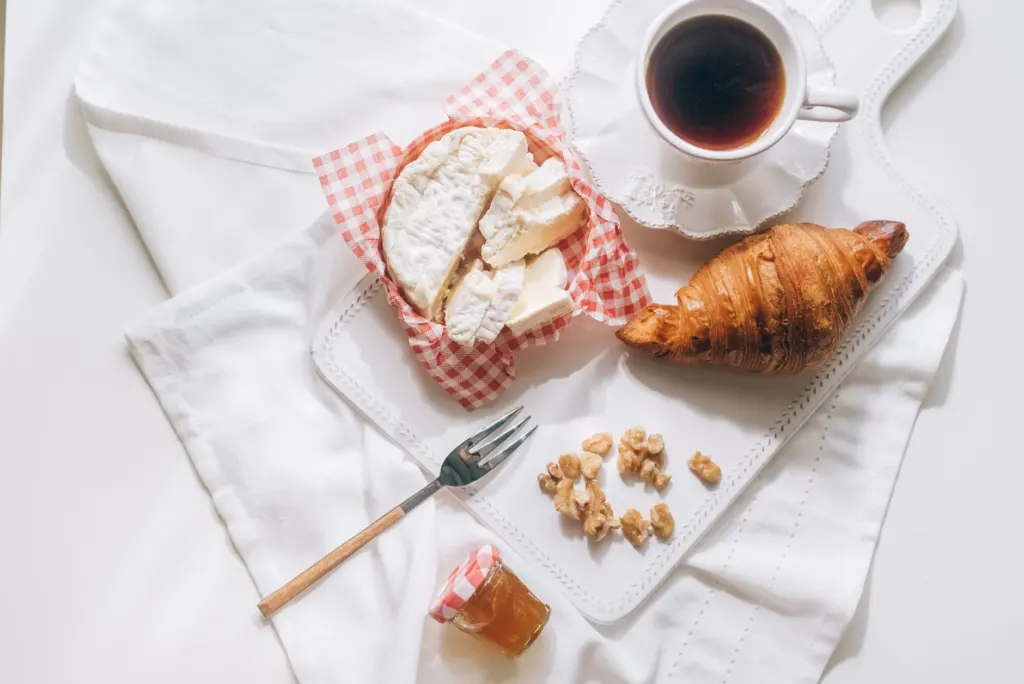
| Baked camembert dish | Normandy | A shared cheese course, cooked in its box, for a Normandy meal. |
Regions and origins in this table follow a French food guide and a regional dishes roundup.
Famous food in France is easiest to plan by place: bakery croissants anywhere, boeuf bourguignon in Burgundy, ratatouille in Provence and cassoulet around Carcassonne. Choose one regional dish per stop rather than collecting everything at once.
Dishes are only half of a good food trip. The guide on how to find authentic local food when traveling covers the wider habits that make regional eating work.
What the regional map changes about your plans
French classics are tied to particular places, so your route decides your menu more than any ranking of favourites does. Three practical consequences follow.
- Match the dish to the stop. Boeuf bourguignon originated in Burgundy as peasant food built around tough cuts of beef, and ratatouille comes from the fields of Provence. Eating each in its home region puts the dish next to the produce and wine that shaped it.
- Expect variation inside one dish. The standard cassoulet recipe changed from town to town, depending on what each area specialised in. A second cassoulet in another town is therefore a comparison, not a repeat.
- Let one dish anchor the meal. A slow braise or stew works as the main event, so give pastries and cheese their own stops instead of stacking them onto the same plate.
The sections below follow the map region by region, then turn to bakery items, cheeses and ordering.
Dishes to try by region
Each region below pairs a dish with a practical reason to eat it there, and where the pack names one, a venue to start from.
Burgundy: beef and chicken braised in wine
Boeuf bourguignon is the Burgundy order to start with. The beef is slowly braised in Burgundy wine with pearl onions, mushrooms and bacon. Coq au vin is the other Burgundy specialty, a chicken dish braised with wine, bacon and mushrooms. Choose the beef for the best-known classic and the chicken if you prefer poultry. For coq au vin, Le Cellier Volnaysien is a restaurant in a vaulted cellar in Volnay, near the town of Beaune.
South and southwest: cassoulet and poule au pot
Cassoulet is the headline dish of the south. It was originally the fare of peasants in southwest France, and the Castelnaudary version is described as the more rustic one, using only locally sourced ingredients. It is also a favourite of the medieval town of Carcassonne in Languedoc. If you only have time for one version, pick the town you will actually be in and ask what makes the local recipe different.
Poule au pot comes from the Béarn region of southwestern France. In Pau, Chez Laurette is the named place to eat it, and the dish is a good choice when you want a simple boiled whole chicken with vegetables rather than a rich stew.
Provence: ratatouille and the ringed galette
Ratatouille comes from the sun-drenched fields of Provence, and its ingredient list is short: eggplant, zucchini, bell peppers, tomatoes and onions with olive oil and garlic. Because so few ingredients carry the dish, it rewards ordering in summer vegetable season and in a place that cooks to order. Provence also has its own take on the galette, a ringed bun flavoured with orange blossom and topped with candied fruit. It is a different pastry from the Epiphany cake of the same name, so check which one a bakery means.
Normandy, Lorraine and Paris
On Mont Saint-Michel in Normandy, the restaurant behind the Omelette de la Mère Poulard dates back to 1879, which makes it a ready-made stop for anyone visiting the abbey island. Quiche lorraine originated in the northeastern Lorraine region, so it belongs on a northeastern itinerary. Croque monsieur is a city order: it first appeared on Parisian café menus in the early 20th century, and it suits a quick café lunch in Paris.
Croissants and the bakery counter
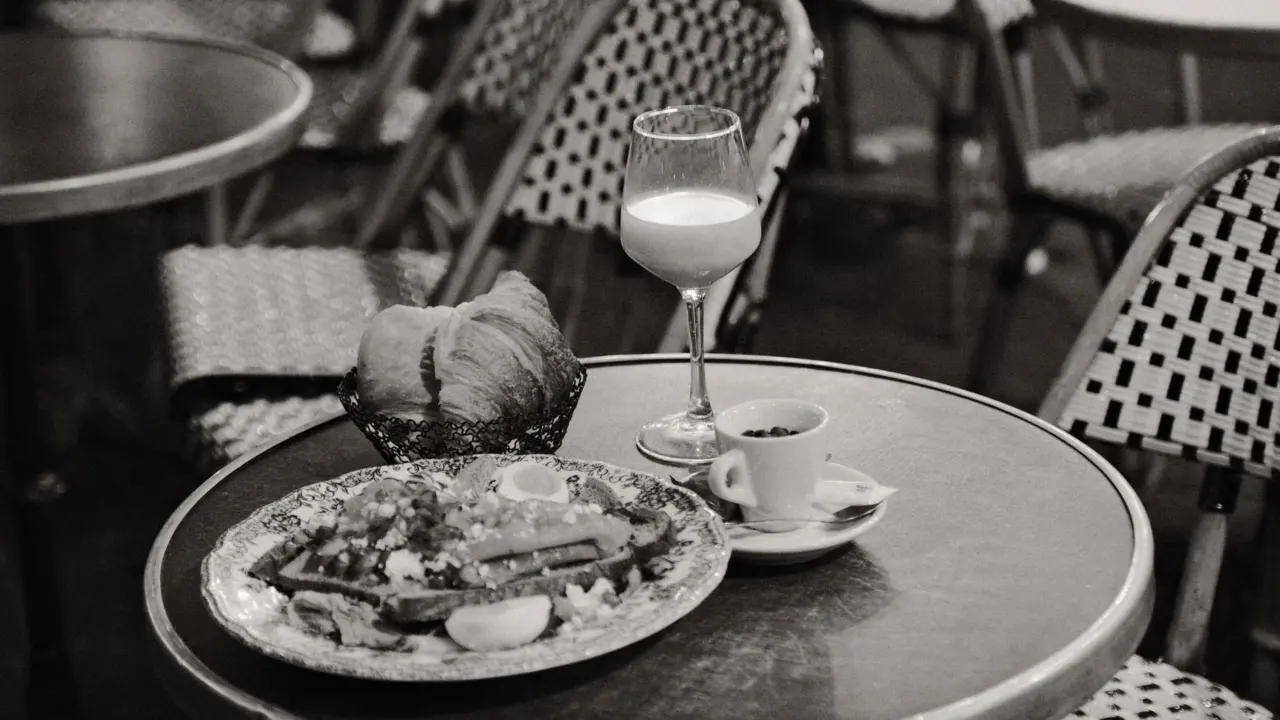
The croissant is the one famous French food you can eat in nearly every town, and it is also the easiest to judge. Its origins trace back to Austria, but French bakers perfected the lamination technique, the alternating folds of butter and dough that build the layers. That craft is the practical test: a croissant is only as good as the baker’s handling of butter and dough, so choose a counter that bakes its own over a convenient one.
Because the croissant needs no regional pilgrimage, treat it as the flexible part of the plan. Slot it into the morning of a travel day, and save your appetite for the regional braises, which are the dishes that justify planning a route around them.
Cheeses to try by region
Cheese in France is best sampled by region too, and three supplied examples show how much the style changes from one area to the next.
- Normandy: a typical cheesy dish from the northwestern region is a Camembert cooked in its own box. It suits a shared table better than a solo order.
- Poitou-Charentes: goats are famous for regional cheese like Chabichou de Poitou, so goat cheese is the sensible choice if you are travelling in that area.
- The Pyrenees: cheese here varies by milk. The ewe’s-milk version is strong in flavour, while the cow’s-milk version is milder, so start with the cow’s milk if you are new to mountain cheeses.
A simple way to organise tastings is by milk and strength: begin with the milder cow’s-milk cheese, move to goat, and finish with the strong ewe’s-milk style so it does not overwhelm the others.
Ordering at a bistro
Ordering at a bistro is straightforward when the menu is not in English: you only need to point to the dish on the menu, as with poule au pot. Do not worry about pronunciation, and keep the dish name written down so you can show it.
Timing matters for one dessert in particular. Baba au rhum should be ordered at the beginning of the meal so that it is ready after the main course. If a dish on the menu is a slow classic, ask early rather than deciding at the end of the meal.
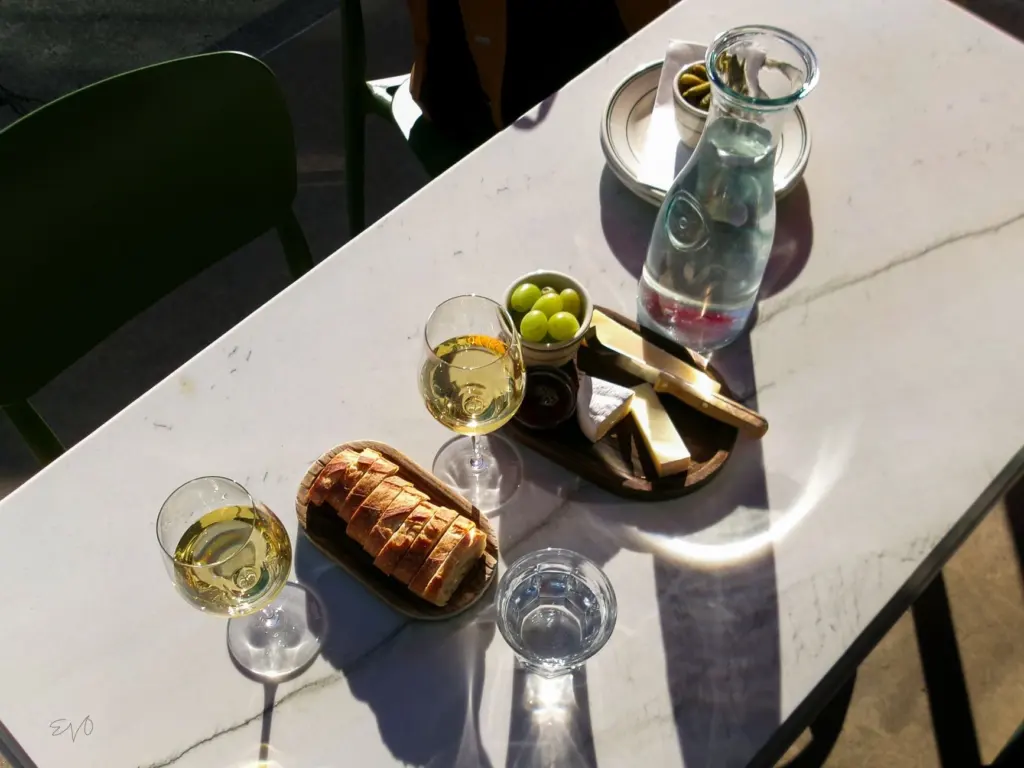
Point, share and plan the dessert early, and a bistro menu becomes manageable even without much French.
Why these dishes taste regional
Many of France’s famous dishes began as practical cooking from local ingredients, which is why they differ so much by place. Boeuf bourguignon was a way for peasants to cook tough cuts of beef, and cassoulet was peasant fare in the southwest. Poule au pot follows the same pattern, a whole chicken boiled in a pot with potatoes and vegetables.
The implication for a traveller is that the ingredient and the town matter as much as the recipe name. A dish that depends on local produce, local wine or a local recipe variant will taste different from stop to stop, and that difference is the reason to travel through several regions.
If you enjoy planning trips around local dishes, Taste Poland: 12 Iconic Dishes And Where To Try Them In 2026 – Bionicbites and Taste Of The Tropics: The Top 10 Most Popular Foods In The Dominican Republic (2026 Guide) – Bionicbites show how other countries tie their best-known foods to place.
Frequently asked questions
Does cassoulet always contain duck?
No. A southwestern cassoulet is described as a duck stew with pork, sausages and white beans, while a Carcassonne version contains pork, bacon, sausages, pork skin and white beans.
How long does poule au pot take to cook?
A whole chicken is boiled in a pot with potatoes and vegetables for about 90 minutes, so expect a restaurant to treat it as a slower order.
When is galette des rois eaten?
It is traditionally eaten at Epiphany, on January 6, so it is a seasonal bakery item, not a year-round one.