| Dish or setting | What to expect | Planning use |
|---|---|---|
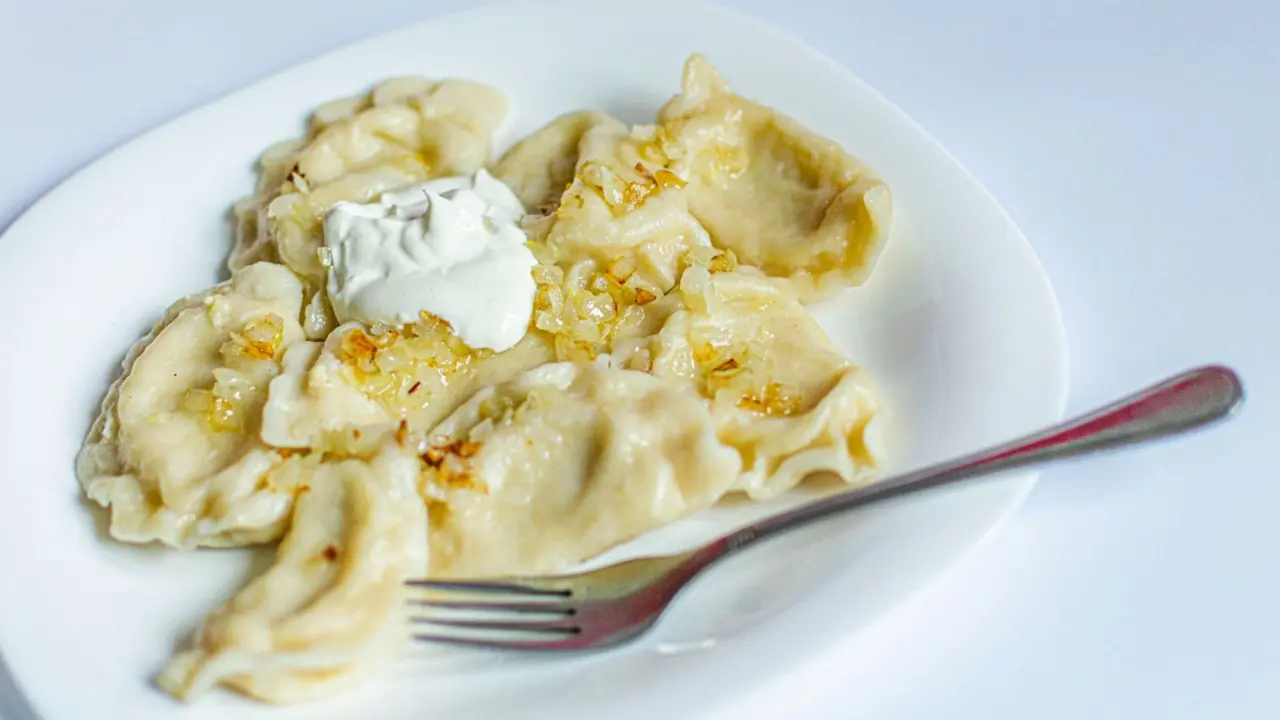
| Pierogi | Dumplings; the ruskie filling is potato, cheese and onion | Make this your first order and start with ruskie |
| Bigos | Stew of sauerkraut, fresh cabbage, various meats and mushrooms, traditionally cooked for days | Treat it as the main course; reheated bigos is part of the tradition |
| Golabki | Boiled cabbage leaves around seasoned meat and rice, baked in tomato sauce | Choose it for a filling plate, but not alongside bigos |
| Sernik | Cheesecake made with twaróg curd cheese, lighter and less sweet than American versions | Suits anyone who finds American cheesecake too sweet |
| Paczki | Soft, pillowy yeast doughnuts filled with fruit preserves, custard or lemon curd | Check the filling before you buy |
| Milk bars | Menu boards often only in Polish; you order at the counter, pay and collect a tray | Learn dish names first, then order without waiting for table service |
Dish details come from the WordCamp Europe guide to traditional Polish food and the Where You Wander guide to Polish dishes.
Popular food in Poland starts with pierogi, the undisputed star of Polish cuisine, and bigos, often called the national dish. Order those first, and use milk bars for casual counter-service meals.
For the wider picture, read our guide on how to find authentic local food when traveling, then use the sections below to match each Polish dish to a sensible setting.
Pierogi, zurek and pork cutlet: what to order first
Pierogi are the safest answer to the question of what food Poland is known for. WordCamp Europe’s food guide calls them the undisputed star of Polish cuisine, so a menu that offers them is a menu to start with.
Choosing a pierogi filling and topping
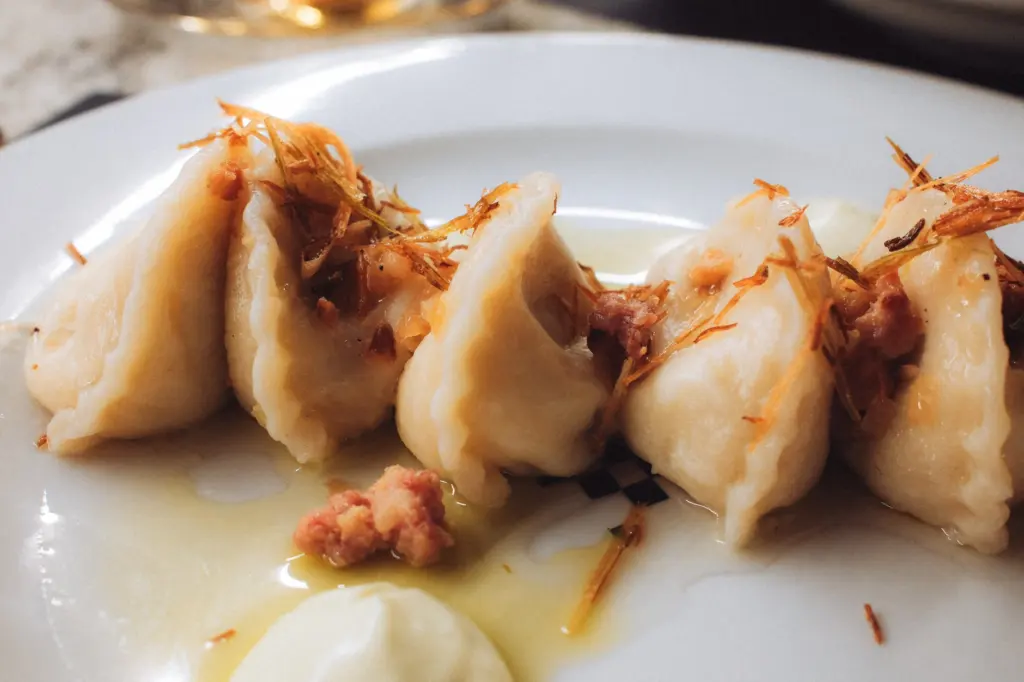
Fillings decide how the plate tastes. Ruskie, filled with potato, cheese and onion, is the traditional filling to try first, and despite the name it has nothing to do with Russia. Toppings follow a simple rule: savoury pierogi are typically topped with fried onions or greaves, while sweet ones come with sour cream or melted butter, according to Firebird Tours. If a menu lists both kinds, decide whether you want a main or a dessert before you order, because the toppings point in different directions.
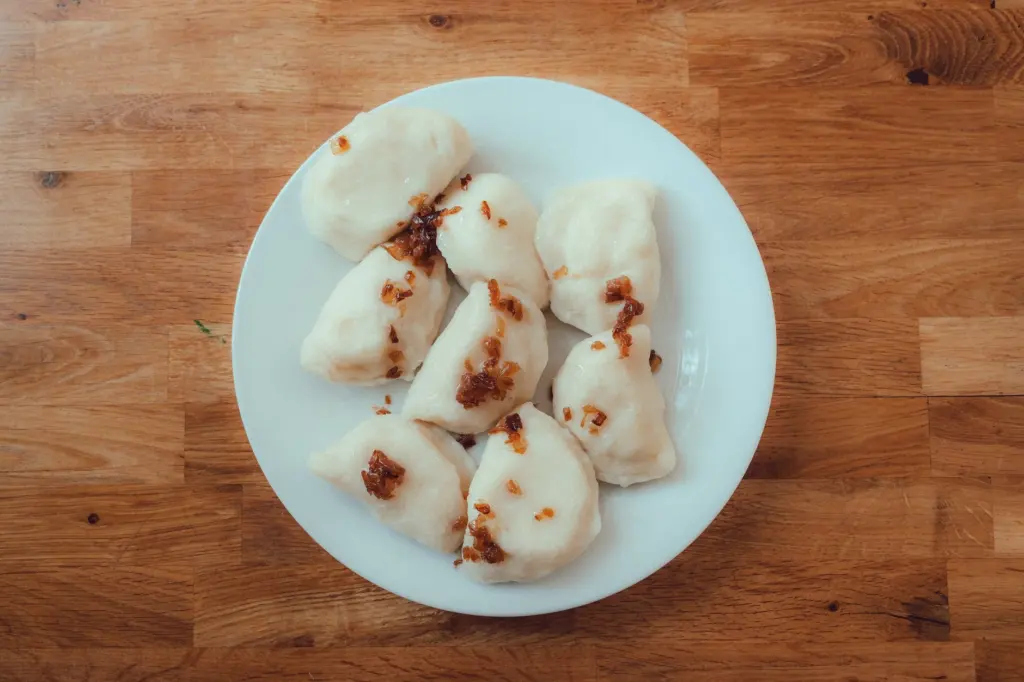
Zurek and kotlet schabowy
Zurek is a tangy fermented rye soup that guides describe as quintessentially Polish. It is a sound pick when you want a flavour that is clearly local rather than a familiar dumpling or cutlet. Kotlet schabowy, a pork cutlet pounded thin and fried fresh, is a dish where the setting matters: the same guide says the real deal is best experienced at milk bars. Order it there rather than in a tourist-facing restaurant when you have the choice.
Bigos and golabki: slow, filling mains
Bigos is a stew of sauerkraut, fresh cabbage, various meats and mushrooms. It is traditionally cooked for days and gets better with each reheating, so a pot that has been on the go is a good sign rather than something to avoid. Because it is so substantial, plan the rest of the meal around it instead of ordering several heavy plates.
Golabki are stuffed cabbage rolls: boiled cabbage leaves wrapped around seasoned meat and rice, then baked in tomato sauce. Where You Wander describes them as smothered in a rich tomato sauce, which makes them a good choice for diners who prefer a tidy single portion to a stew.
Both dishes are built on cabbage. Ordering both at one meal repeats the same base, so pair either of them with pierogi or zurek for a more varied table. When you eat with a group, sharing across these dishes gives the broadest taste of hearty Polish cooking.
Regional differences that change what you order
The menu you meet depends on where you are, so treat any national list as a starting point. In Kraków and across southern Poland, potato pancakes come in both savoury and sweet versions and both are equally beloved, according to the WordCamp Europe guide. In that part of the country, decide before you sit down whether you want the pancake as a meal or a dessert.
Mountain food follows the landscape. Oscypek is a smoked sheep’s milk cheese from the Tatra Mountains, which makes it a regional purchase to look for in mountain country rather than a dish to expect on every city menu.
Eating habits show similar variety. A travel writer at Nothing Familiar first discovered milk bars in Gdansk, a reminder that cafeteria-style cooking is not limited to the capital or to Kraków. If you are comparing how different cities organise their food, What To Eat In San Antonio: 10 Must-Try Dishes And Where To Find Them (2026 Guide) – Bionicbites pairs dishes with places in much the same way.
Where locals eat: milk bars, family restaurants and markets
Milk bars are the clearest answer to where locals eat cheaply and simply. They are cafeteria-style eateries, and the process is the same everywhere: look at the menu boards, which are often only in Polish, order at the counter, pay, and collect your tray. The practical consequence is that there is little time to puzzle over a menu while a queue forms. Learn the names of pierogi, bigos, golabki and kotlet schabowy beforehand and you can order with confidence.
Other settings suit different moods. The same food guide points to these places:
- Pierogarnia Krakowiacy: at Szewska 23 in Kraków, recommended for traditional pierogi recipes. Choose it when dumplings are the point of the meal.
- Pod Wawelem: at Św. Gertrudy 26/29, described as family-run, authentic and frequented by locals, with traditional recipes. It suits a sit-down dinner more than a quick counter lunch.
- Stary Kleparz Market: the guide advises eating at simple food stalls for the most authentic experience. Go here when you would rather graze than commit to a full plate.
In practice, use milk bars for the cutlet and everyday cooking, a pierogi specialist when you want to compare fillings, and market stalls when you want something casual.
Paczki and sernik: sweets worth saving room for
Paczki are Polish yeast doughnuts with a soft, pillowy texture. They are typically filled with fruit preserves, either marmalade or jam, but custard and lemon curd also appear, according to Where You Wander. Because the fillings differ so much, ask what is inside before you pay rather than assuming jam.
Sernik is the Polish cheesecake, with a shortcrust base, a thick cream layer and a dusting of powdered sugar on top. It is made with twaróg, a curd cheese, which gives a lighter and less sweet texture than American versions. That makes it a good end to a heavy meal of bigos or pierogi, and a better choice than paczki when you want something less rich.
If you like planning meals around a country’s signature dishes, Taste France: 15 Famous Foods To Try In 2026 (From Croissants To Cassoulet) – Bionicbites takes the same dish-first approach for French cooking.
Drinks and toasts at the table
Vodka is usually served well chilled and almost always accompanied by food, and it is typically drunk in small shots rather than sipped. The sensible move is to order a plate of something substantial alongside it, rather than treating the drink as a stand-alone round.
Toasts are an important part of social drinking. Maintaining eye contact while clinking glasses is considered polite and customary, so look at the person you are toasting before you drink. Doing this shows respect and fits easily into a meal of pierogi, bigos or golabki shared with other people.
Frequently asked questions
Are pierogi always boiled?
No. Boiling is the traditional method, but pierogi can also be fried until golden or baked.
Is kielbasa the same across Poland?
No. You will find different types of kielbasa depending on the region you are in, so ask which local variety a restaurant or stall is serving.
When is zurek usually eaten?
Zurek is often eaten during Easter, though it is also described as a quintessentially Polish soup more generally.