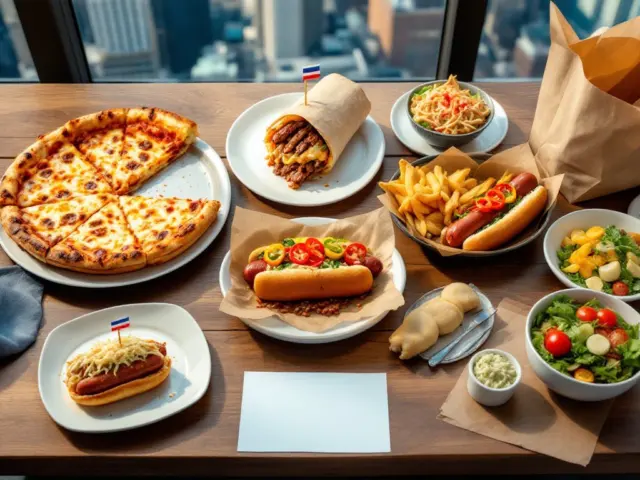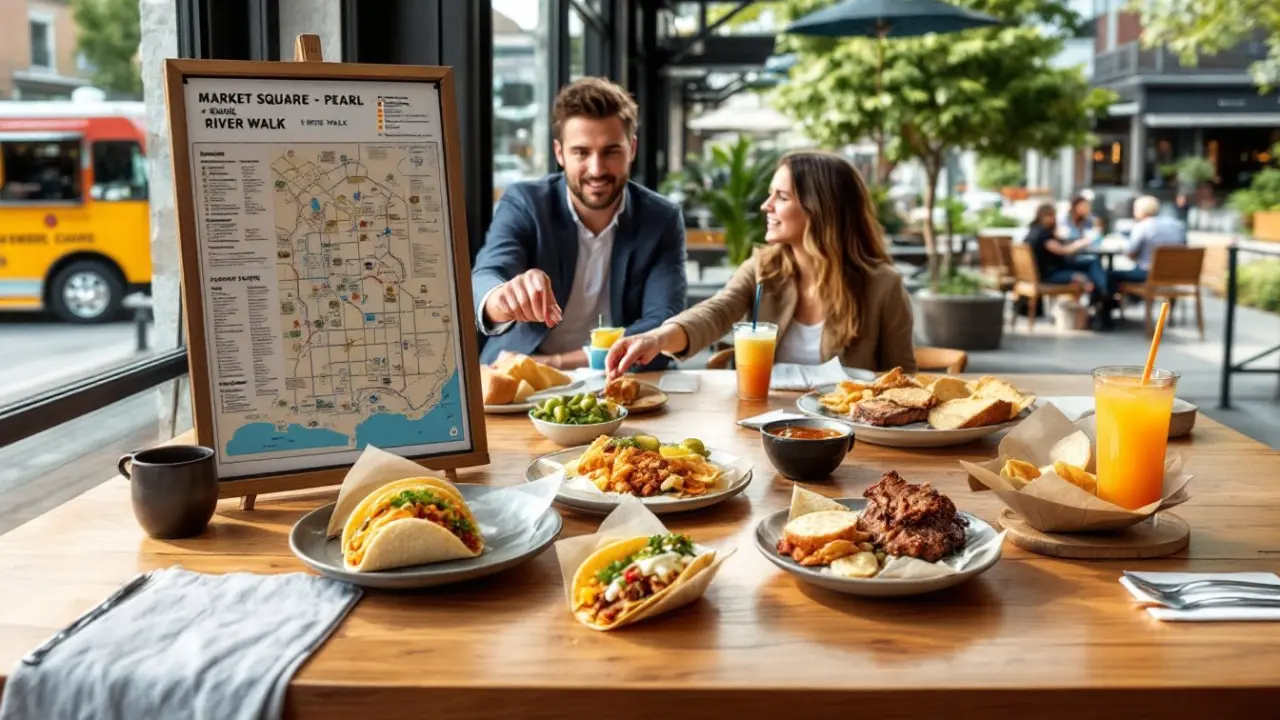
What to eat in San Antonio guides new visitors and locals to the best dishes. This article lists ten dishes and where to find them. It helps readers plan meals, taste local favorites, and save time. The guide focuses on tacos, Tex-Mex, barbecue, sweets, and market finds. Each entry names the dish and suggests trusted spots. Below you’ll also find practical tips on timing, ordering, dietary substitutions, and how to make the most of a short visit so you can sample widely without wasting time or money.
Key Takeaways
- When deciding what to eat in San Antonio, start with iconic dishes like puffy tacos, breakfast tacos, chile con queso, barbacoa, and gorditas to experience the city’s Texan-Mexican fusion.
- Market Square, Pearl Food Hall, and local food trucks offer diverse tacos, street foods, and fresh ingredients perfect for sampling authentic San Antonio flavors.
- Classic Tex-Mex restaurants and top barbecue joints serve slow-cooked meats, enchiladas, fajitas, and breakfast tacos that locals highly recommend.
- Don’t miss local sweets such as Mexican pastries, tres leches cake, paletas, and churros, which complement the savory food scene in San Antonio.
- Plan a one-day food itinerary starting with breakfast tacos, exploring Market Square midday, a Tex-Mex lunch, and finishing with barbecue or riverside fajitas, ending with sweet treats from late-night vendors.
- Carry cash for small vendors, check operating hours, be ready for lines at popular spots, and ask about daily specials and house sauces to enjoy standout local flavors.
Iconic San Antonio Dishes To Order First
People who ask what to eat in San Antonio should start with the city classics. Order puffy tacos first. Puffy tacos use fried masa that puffs like a shell; they’re crisp on the outside and soft inside, and common fillings include shredded beef, shredded chicken, seasoned ground beef, or beans for a vegetarian option. When ordering, ask if the shell was fried to order—freshness matters. Next, order breakfast tacos. Locals eat them any time of day; popular fillings are scrambled eggs mixed with potato, chorizo, bacon, or refried beans, often finished with fresh salsa or cotija cheese. Try them at family-owned taco counters, gas-station stands, and breakfast trucks for a range of styles. Also order chile con queso: this melted cheese dip with peppers and spices pairs with thick, warm tortilla chips or can be spooned over enchiladas. Families and groups love to share it as an appetizer. Finally, try barbacoa and gorditas. Barbacoa is slow-cooked, tender meat typically served with onions, cilantro, and lime, while gorditas are thicker masa pockets split and stuffed with meats, cheese, or stews. Together these dishes show the city’s blend of Mexican techniques and Texan ingredients; when you order, ask about spice level and salsa options to tailor each bite.
Where To Find The Best Tacos, Street Food, And Markets
Visitors asking what to eat in San Antonio will find tacos and street food across the city in permanent markets, food halls, and mobile vendors. Visit Market Square to sample regional bites from small vendors and to browse stalls selling salsas, spices, and masa — ideal for tasting multiple small plates in one walkable area. The Pearl Food Hall offers modern takes on tacos and snacks from independent chefs and rotating vendors; it’s a good spot for varied textures and fusion flavors. Street food trucks and popup gatherings appear in neighborhoods at lunchtime and on weekends; they often feature creative fillings like braised meats, grilled vegetables, and seasonal salsas. For the freshest tortillas and homestyle tacos, seek out morning taco counters near residential areas and near workplaces; these spots turn over product fast and often sell out. Night markets and organized food truck events showcase fusion tacos, late-night snacks, and dessert vendors. For ingredients and souvenirs, shop weekend farmers markets for local produce, artisanal tortillas, and chile varieties so you can try recreating favorites at home. When exploring markets, plan to walk, bring a cooler for fragile purchases if you’ll be traveling later, and ask vendors for reheating or serving tips.
Top Spots For Tex‑Mex, Barbecue, And Breakfast Tacos
When people ask what to eat in San Antonio, they often mean Tex‑Mex and barbecue. For classic Tex‑Mex, seek out long-running restaurants and neighborhood diners that serve enchiladas, stacked or rolled, smothered in red or green sauce; fajitas sizzling with peppers and onions; and chile con queso served from a piping-hot skillet. These establishments emphasize house-made tortillas, slow-cooked fillings, and table-side condiments. For barbecue, follow the smoke: look for pit-style shops that advertise brisket, ribs, pulled pork, and smoked sausage. The best barbecue places smoke meat for hours, offer several sauce styles (vinegary, sweet, or tangy), and serve traditional sides like potato salad, collard greens, and pickled vegetables. For breakfast tacos, aim for family-run taco shops, roadside stands, and breakfast chains favored by locals — many offer a wide tortilla choice (flour, corn, or combo) and creative fillings such as egg with migas, bacon and avocado, or simple egg-and-cheese. Many locals pick up tacos to eat on the go during commutes. For a more refined Tex‑Mex experience, choose a riverside restaurant near the River Walk that serves classic plates with a view; these spots are good for lingered dinners and for sampling regional classics in a comfortable setting. When dining at any of these spots, consider sharing plates to taste more items and ask staff about gluten-free or vegetarian substitutions if needed.
Local Specialties And Sweet Treats Worth Trying
The question what to eat in San Antonio also covers sweets and local specialties beyond tacos and barbecue. Visit panaderias for Mexican pastries—conchas, cuernitos, and empanadas—paired with café de olla or a cortado. Try tres leches cake at bakeries and cafes for a moist, milky dessert that’s widely available in casual and upscale bakeries. For a refreshing treat, order paletas (fruit or cream popsicles) in flavors that highlight local fruit and Mexican spices; they are perfect on warm afternoons. Churros from street vendors or dessert kiosks are a crunchy, cinnamon-sugar staple, sometimes served with chocolate or caramel dipping sauces. Regional savory specialties include king ranch casserole at neighborhood diners, puffy taco variations (including taco salads), and Gulf shrimp plates prepared simply with garlic and lime or turned into ceviche-style appetizers at coastal-style restaurants that emphasize fresh seafood. Many small family restaurants preserve recipes passed through generations, so don’t hesitate to ask about house specialties or off-menu items — they can be highlights of a trip. Also note options for dietary needs: many vendors will swap proteins for grilled vegetables, beans, or tofu, and sauces can often be made milder on request.
A One‑Day San Antonio Food Itinerary And Practical Tips
A visitor who wonders what to eat in San Antonio can follow a flexible one-day plan to sample widely without rushing. Start early with breakfast tacos from a morning taco counter — choose a variety of fillings (egg and potato, chorizo, or simple egg-and-cheese) and enjoy them with fresh salsa. Mid-morning, explore Market Square for tamales, snack-size tacos, salsas to taste, and quick pastries from panaderias. For lunch, pick a Tex‑Mex restaurant and share chile con queso, enchiladas, or a fajita plate so you can taste several classics. In the afternoon, visit a museum or stroll the River Walk to work up an appetite for a late dinner. For dinner, choose a barbecue spot for brisket and classic sides, or a riverside restaurant for fajitas and margaritas; if you prefer a casual option, seek out food truck parks that concentrate multiple vendors in one place. End the evening with paletas, churros, or tres leches cake from a bakery or late-night vendor. Practical tips: carry small bills and cash for street vendors and markets, download a local map or rideshare app for moving between neighborhoods, check vendor and restaurant hours (many taco spots are busiest early or close in mid-afternoon), and be prepared for lines at popular places — ordering off-peak or calling ahead when possible can save time. Finally, pace yourself: share plates, sample instead of full entrees, and ask staff for smaller portions or sampler options so you can taste more without overindulging.