What to eat in Seattle is a common question for visitors. This guide lists 15 must-try dishes and expands on where to find them, when to go, and how to eat like a local. It focuses on classic plates, neighborhood picks, markets, and food trucks while offering practical tips for breakfast, lunch, and dinner. Read on for clear advice, specific recommendations, ordering tips, and ways to get the most from Seattle’s seasonal and neighborhood-based food scene.
Key Takeaways
- Seattle’s must-try foods focus on fresh seafood like clam chowder, Dungeness crab, raw oysters, and smoked salmon, showcasing the city’s iconic flavors.
- Visitors should explore Pike Place Market for breakfast pastries, seafood, and local snacks, while neighborhoods like Capitol Hill and Ballard offer diverse lunch and dinner options.
- Seattle’s coffee culture is strong, featuring single-origin coffee, espresso, and pastries such as croissants and cinnamon rolls for a true local experience.
- Food trucks and markets provide budget-friendly, quick meals including tacos, ramen, and barbecue, appealing to locals and visitors alike.
- The city caters well to dietary preferences with marked vegan, vegetarian, and gluten-free options, plus seasonal specials highlighting fresh local produce and seafood.
- Neighborhoods have distinct culinary focuses: downtown for markets, Capitol Hill for diverse midday fare, Ballard for seafood and pastries, and the International District for Asian cuisine.
Seattle Classics: Iconic Foods You Can’t Miss
Seattle offers a set of foods that define the city’s taste and reflect its Pacific Northwest setting. Visitors asking what to eat in Seattle should start with seafood: clam chowder served thick and often in a bread bowl, steamed or roasted Dungeness crab while in season, and a raw oyster tasting to sample different local brininess. Salmon—wild when available—is prepared in many ways: hot-smoked, cold-smoked, cedar-planked on the grill, or simply seared as a fillet. You’ll also see salmon in chowders, bagels topped with lox, and on salads and bowls highlighting local produce.
Coffee is another must: Seattle’s coffee scene goes beyond great drip and espresso to include single-origin pour-overs, micro-roasters, and neighborhood roasteries. For a real local morning, pair espresso or a pour-over with a flaky croissant, a sticky cinnamon roll, or a filled donut from a nearby bakery; many bakeries specialize in laminated pastries or Scandinavian-style treats that reflect the area’s heritage.
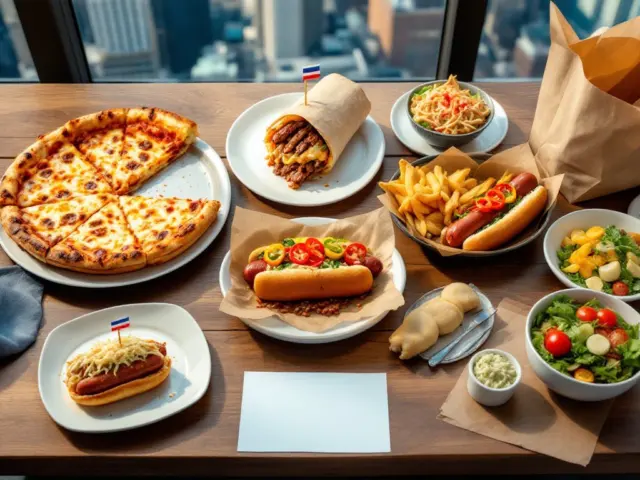
Don’t miss quirky local specialties that show Seattle’s personality: the cream-cheese hot dog with grilled onions at stadiums and stands, garlic fries at sporting events, and strong Asian influences that bring pho, ramen, bao, and a wide variety of sushi to menus across the city. Farm-to-table plates and hearty grain bowls are also common—chefs highlight seasonal produce from regional farms, so menus change through spring berries, summer tomatoes, fall squash, and winter root vegetables. When deciding what to eat in Seattle, aim for a mix of fresh seafood, distinctive coffee, and one or two savory local specialties to capture the city’s flavors.
Neighborhood Eating Guide: Where To Find Breakfast, Lunch, And Dinner
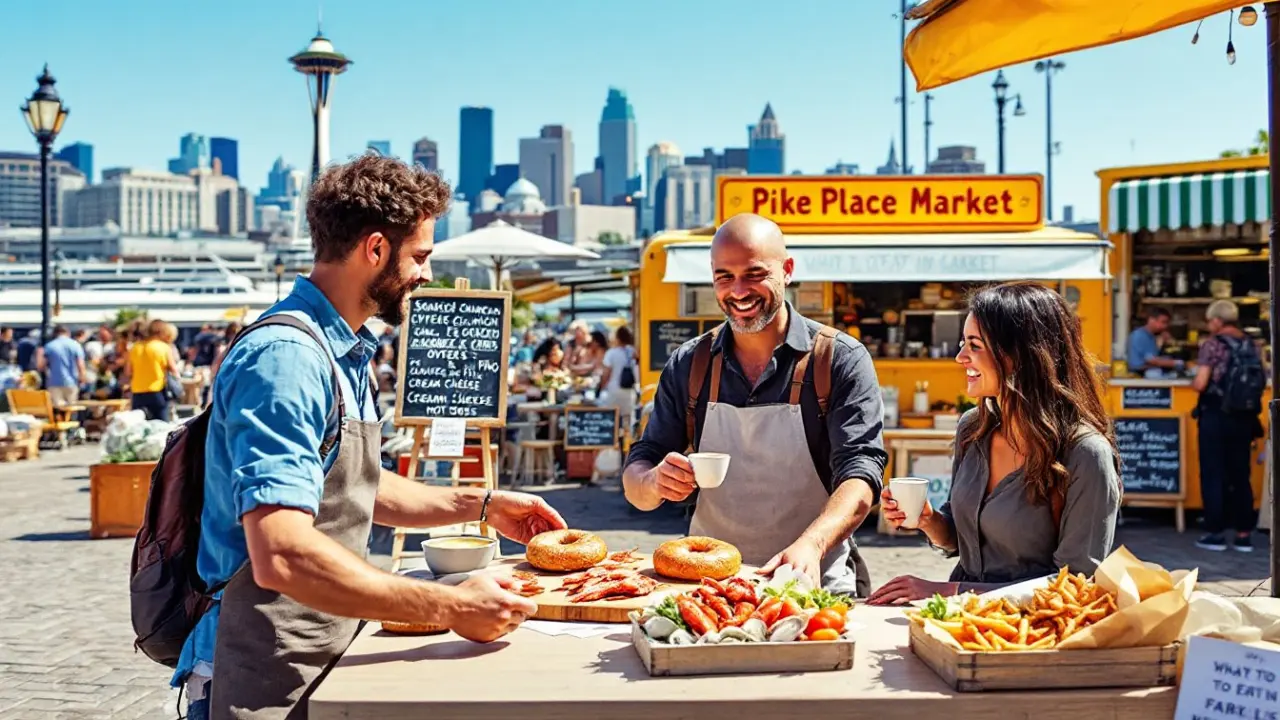
Downtown and Pike Place Market are the obvious starts for breakfast and snacks. Pike Place is best for breakfast pastries, smoked fish counters, and quick chowder or seafood sandwiches—arrive early to avoid peak tourist lines and to see the morning fish stalls. Vendors here also sell oysters shucked to order and ready-to-eat bites that make a casual breakfast or early lunch.
Capitol Hill is Seattle’s hub for diverse lunch options. This neighborhood features Vietnamese pho, creative sandwich shops, brunch cafes, and vegetarian-forward restaurants that rotate seasonal menus. It’s a good place to sample modern casual fare, from build-your-own bowls to inventive small plates, and many spots offer weekend brunch with longer lines—consider a mid-morning visit to skip the rush.
Ballard blends seafood and Scandinavian-inspired bakeries—perfect for fish-and-chips, fried clams, and buttery cardamom or kringle pastries. The Ballard Farmers Market and local waterfront restaurants make it a solid stop for a relaxed midday meal. Fremont and nearby neighborhoods host casual cafes, late-night food stalls, and weekly or nightly markets with rotating food vendors; these are ideal for tacos, fusion plates, and affordable comfort food.
For dinner, Queen Anne and Belltown offer waterfront dining and finer restaurants that spotlight regional fish and seasonal produce; many dinner menus feature tasting options or small-plate formats for sharing. South Lake Union tends toward tech-casual eateries with quick bowls and shareable plates—good for a fast, reliable dinner. The International District is the best place for Asian cuisines: noodle shops, dim sum eateries, sushi bars, and Philippine bakeries provide rich, affordable options. For budget-friendly noodle houses and late-night meals, this neighborhood is especially useful. Each neighborhood answers the question what to eat in Seattle with its own strengths: markets and quick seafood downtown, eclectic lunch scenes in Capitol Hill, seafood and baked goods in Ballard, and deep Asian culinary traditions in the International District.
Eat Like A Local: Markets, Food Trucks, Budget Tips, And Dietary Options
Locals rely on markets and food trucks to eat well without overspending. Pike Place Market is the most famous: beyond fishmongers it hosts cheese shops, ready-to-eat stalls, and small cafes selling sandwiches, soups, and pastries. Smaller neighborhood farmers markets—like those in Ballard and the University District—feature seasonal produce, prepared foods, and baked goods that make easy picnic lunches or light dinners.
Food trucks and carts are everywhere, often clustering near office districts, parks, and nightlife areas. Typical offerings range from authentic tacos and Asian noodle bowls to wood-fired flatbreads and barbecue. A good tip: follow trucks’ social accounts or neighborhood bulletin boards to track locations and daily specials; popular trucks often post menus and times, and a short line usually means a well-tested dish. Students and office workers use trucks for a quick, inexpensive lunch—many offer combo deals or late-afternoon discounts.
To save money without missing out on flavor, look for lunch specials, early-bird menus, and happy-hour small plates. Many restaurants offer discounted appetizers or smaller portions between late afternoon and early evening; bakeries often mark down pastries toward the close of business. Markets and food halls also let you sample small items across vendors for a varied, inexpensive meal.
Seattle is generally accommodating for dietary needs. Vegan and vegetarian restaurants are common, and many mainstream menus clearly label plant-based, vegetarian, and gluten-free options. Common swaps—like cauliflower rice, gluten-free crusts, or dairy-free cheese—are widely available, and markets often sell allergen-friendly packaged foods. When you have strict allergies, calling ahead helps, but many cafes and stalls also label top allergens and indicate cross-contact practices on menus or shelf tags.
Seasonal specials are a local obsession: watch for Dungeness crab in late winter and spring, halibut and spot prawns when in season, and summer berry desserts or stone-fruit items from nearby farms. Locals recommend timing seafood dishes to seasonality for the best flavor and value. In short, when deciding what to eat in Seattle, combine market visits, neighborhood exploration, and a few splurges on seasonal seafood or a specialty coffee to get a full sense of the city’s culinary character.