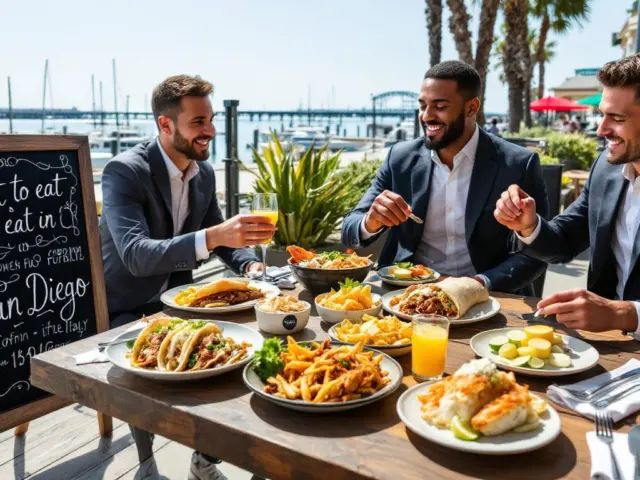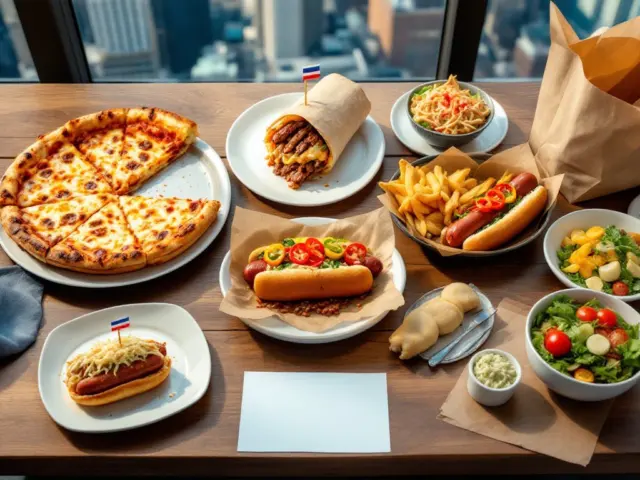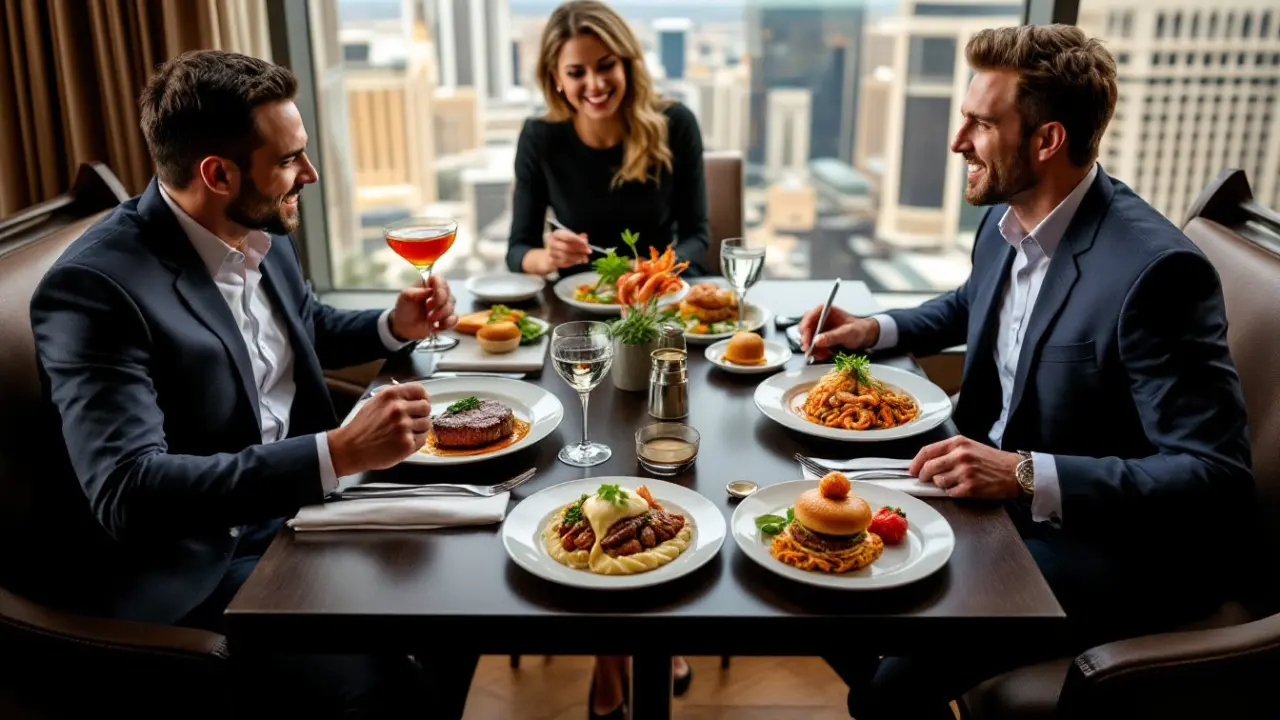
What to eat in Vegas is a common question for visitors. The city offers classic steaks, shrimp cocktails, unique fusion plates, and massive buffets. Travelers should plan meals by mood, time, and budget. This guide lists iconic dishes, budget-friendly picks for breakfast to late-night, and where to find them across neighborhoods in 2026. Read on for practical suggestions, dish descriptions, and actionable tips so you can decide what to eat in Vegas depending on appetite, schedule, and wallet.
Key Takeaways
- What to eat in Vegas centers on iconic dishes like classic steaks, shrimp cocktails, and buffet staples that showcase the city’s culinary identity.
- Visitors should plan meals by budget and time, choosing from affordable breakfasts, mid-range lunches, and both casual and fine-dining dinners to suit any trip style.
- The Strip features high-end restaurants and buffets, while Downtown, Chinatown, and off-Strip neighborhoods offer diverse flavors and better value for budget-conscious travelers.
- Late-night eats like tacos, sliders, and breakfast-all-night options provide tasty and affordable choices after hours in Vegas.
- Making reservations, using happy hour deals, and leveraging casino comps or loyalty programs help guests save money and enjoy popular Vegas dining experiences.
- Guests with dietary restrictions should contact restaurants ahead to ensure menu accommodations, while checking online reviews and menus improves dining satisfaction and safety.
Iconic Vegas Foods You Can’t Miss
Steak houses define a Strip meal. Diners order ribeye, filet, or porterhouse cooked to order and finished with compound butter or pan sauce. Steaks typically pair with creamed spinach, charred broccolini, or mashed potatoes, and many menus list classic steakhouse sides like au gratin potatoes and creamed corn. Shrimp cocktail remains a Las Vegas signature: chilled, well‑peel shrimp served with a tangy, horseradish-forward sauce that’s become shorthand for old-school Vegas dining.
The prime rib at a classic diner or roadhouse is carved thick and served with au jus and horseradish; it’s a hearty option for visitors craving comfort food. Buffet diners sample roast chicken, carving stations, chafing dishes of pasta or stir-fry, and unlimited sides; modern buffets also often feature live-action stations for made-to-order omelets, pasta, and sushi rolls. Desserts at buffets span layered cakes, crème brûlée, and chocolate fountains, plus seasonal specialties and bite-sized pastries for sampling.
Brunch culture in Las Vegas is robust: expect eggs Benedict variations, fluffy omelets with lots of add-ins, thick French toast dusted with powdered sugar, and boozy brunch cocktails or bottomless drink options at many spots. Late-night tacos draw long queues — look for tacos al pastor, carne asada, or fish tacos finished with fresh salsa, pickled onions, and bright lime. In Chinatown, ramen bowls offer rich, slow-simmered broth, chewy noodles, and slices of pork chashu; other Asian specialties include hand-pulled noodles and Cantonese barbecue.
Fried chicken sandwiches became a modern Vegas staple: crispy breading, crunchy slaw or pickles, and a spicy or tangy sauce on a soft bun. Gourmet burgers appear across casinos and independent joints with specialty cheeses, house bacon, and creative toppings like fried egg or kimchi. Other must-try items that showcase Vegas range include gourmet doughnuts with inventive glazes, hand-tossed pizzas with blistered crusts, poke bowls with fresh fish, and high-end sushi prepared by experienced chefs. Sampling these dishes gives a practical sense of what to eat in Vegas and why the city keeps food lovers coming back for variety and spectacle.
Best Eats By Budget And Meal Time (Breakfast, Lunch, Dinner, Late-Night)
Breakfast on a budget: many cafes and diners serve egg sandwiches, pancakes, or breakfast burritos for under $10, paired with a drip coffee or espresso. Look for hotel cafés, corner bakeries, and quick-service counters that offer grab-and-go options for mornings when you want to maximize time on the Strip. Mid-range breakfast guests might choose a buffet brunch or specialty plates such as smoked salmon benedict, ricotta pancakes, or avocado toast topped with seasonal produce. High-end breakfast seekers reserve steak and eggs, lobster omelets, or multi-course morning tasting menus at well-known chef-driven dining rooms.
Lunch low-cost picks include street tacos, slice pizza from late-afternoon counters, and food-hall bowls featuring rice, roasted vegetables, and protein. Casual lunch diners often find hearty salads, deli sandwiches, and poke bowls near shopping areas and casinos. Mid-range lunch options include gastropub burgers, chef-driven ramen shops in Chinatown, and bento-box style lunches at Asian eateries. For a special midday treat, many restaurants offer prix-fixe lunch menus that let you try a multi-course meal at a lower price than dinner.
Dinner budget tips: casual neighborhood spots serve pasta, poke bowls, and fried chicken platters for under $25, and many off-strip restaurants offer full entrees for substantially less than on the Strip. Mid-range diners can reserve tables at popular houses for steak, seafood towers, or modern American plates, often pairing an appetizer and shared dessert. Fine-dining reservations provide tasting menus with wine pairings and theatrical plating — a splurge most visitors plan for one or two nights. Travelers can control costs by choosing one upscale dinner and keeping other meals casual.
Late-night options favor tacos, sliders, and classic diner meals. Many 24-hour spots sell breakfast all night — pancakes, omelets, and hash browns comfort travelers returning from shows or casinos. Food trucks and late-night kitchens serve creative plates like loaded fries, fusion tacos, and small-plate samplers. To save money, look for happy hour deals from midafternoon into early evening, and check for late-night menus after 10 pm that offer smaller portions at lower prices. Combining late-night snacking with splitting entrees or ordering a few shared plates stretches your dining budget while letting you try more items.
Where To Eat By Neighborhood: The Strip, Downtown, Chinatown, And Off-Strip Gems
The Strip offers high-end steakhouses, celebrity chef restaurants, and large buffets. Expect extensive menus that include prime cuts, seafood towers, sushi bars, Italian kitchens, and themed dining inside hotels and casinos. Because many Strip restaurants are destination dining experiences, they often accept reservations far in advance and maintain long wait lists—book early for weekends, show nights, and holiday periods.
Downtown drives a different scene with a more local, experimental vibe. Here you’ll find classic diners, craft cocktail bars with small plates, and new-wave comfort food concepts. Fremont Street and nearby blocks host casual spots serving pizza by the slice, smokehouse barbecue, and late-night taco counters. Downtown chefs often experiment with fusion flavors and seasonal produce, and prices can be friendlier than on the Strip, making it a good area to sample creative cuisine without breaking the bank.
Chinatown along Spring Mountain Road and adjacent streets is a dense concentration of Asian restaurants offering ramen, dim sum, Cantonese barbecue, Vietnamese pho, and hot pot. This neighborhood is known for authentic flavors and strong value: noodle shops, dumpling houses, and small bakeries specialize in regional techniques and often serve generous portions. Locals frequent these spots for everyday meals and late dinners, so expect lively dining rooms and menus focused on depth of flavor rather than polished presentation.
Off-strip neighborhoods include Summerlin, Henderson, and smaller commercial corridors with hidden gems, neighborhood bistros, and family-run ethnic restaurants. Food halls, local bakeries, and farm-to-table spots appear in these areas, providing high-quality food at lower prices than the Strip. Visitors who rent a car or take a short rideshare will discover unique restaurants, family-owned kitchens, and small bakeries that often deliver large portions, friendly service, and a more relaxed atmosphere away from the casinos.
Smart Dining Tips: Reservations, Buffets, Tipping, Dietary Needs, And Saving Money
Visitors should book reservations for dinner and weekend brunch, especially for popular spots and chef-driven restaurants. Use restaurant apps, booking platforms, or phone calls to confirm larger parties and any special requests. If a desired time is full, ask for waitlist options or check for cancellations the morning of your reservation.
Buffets now use timed seating and plated stations or pre-packed options in many venues. Guests should check current policies before arrival, arrive on time for timed slots, and plan to sample small portions first so you can try more items. Consider starting with cold stations and salads before moving to meats and hot dishes, and finish with a few small desserts rather than piling up a single plate.
Tipping norms in Las Vegas remain around 18–22% for full table service and about $1–3 per drink at bars; increase tips for exceptional service or complex orders (large parties, multiple courses). For buffet attendants or coat-check staff, tipping a few dollars is customary for helpful service. If you receive direct food delivery to a hotel room, tip delivery staff appropriately and follow hotel policies on room service fees.
Guests with dietary needs should contact restaurants in advance and review online menus for ingredient lists. Many kitchens can adjust dishes for allergies, vegetarian, vegan, or gluten-free requests, and menus often mark common allergens or plant-based options. When dietary restrictions are strict, ask to speak to a manager or chef on arrival, request ingredient clarifications, and consider dining at establishments known for accommodating special diets.
To save money, use lunch prix-fixe menus, weekday happy hours, and early-bird specials. Split large entrees, order family-style for groups, or choose shared plates to sample more without paying full entrée prices for each person. Casino players should check player rewards for meal comps and discounts; hotel loyalty programs sometimes include dining credits or partner offers. Finally, read recent reviews and check menus online before you go—this helps avoid surprises, find current prices and hours, and maximize what to eat in Vegas during a short trip.