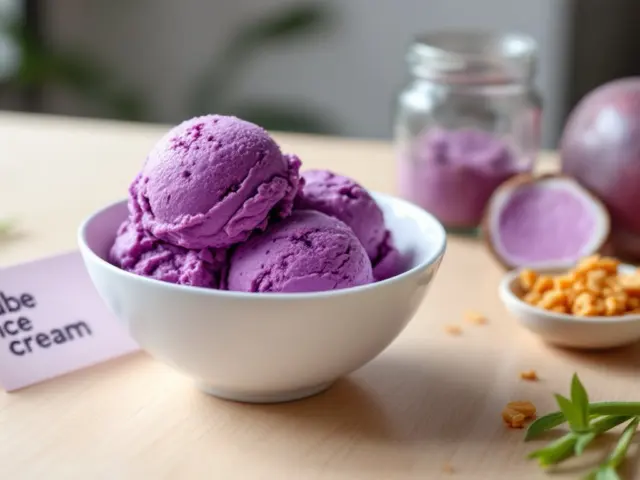
Spotted a glowing purple cake and wondering what is ube? It is a purple yam native to the Philippines, with a gentle, nutty, vanilla-like flavor, and it is usually used in desserts.
Ube is one of the colorful ingredients that keeps turning up in current food trends. The sections below sort fact from the most common mix-ups, then cover flavor, buying forms and cooking methods.
What ube is and where it comes from
Ube is the edible tuber of Dioscorea alata, a yam species grown primarily in tropical climates. It is a purple yam native to the Philippines, and Filipino cooks have treated it as a cornerstone of the cuisine for a very long time. That history explains why ube is more than a color to Filipino cooks: it is a long-standing ingredient in the dessert tradition, not a passing novelty.
Not every ube tuber is the same shade inside. According to one ube guide, Leyte ubi tends to have whiter flesh, Basco obi has a white-purplish tinge, and Zambales ubi is the iconic deep purple. If a recipe depends on a vivid purple result, do not assume every tuber will deliver it. The variety matters as much as the word “ube” on the label.
Ube versus look-alike tubers
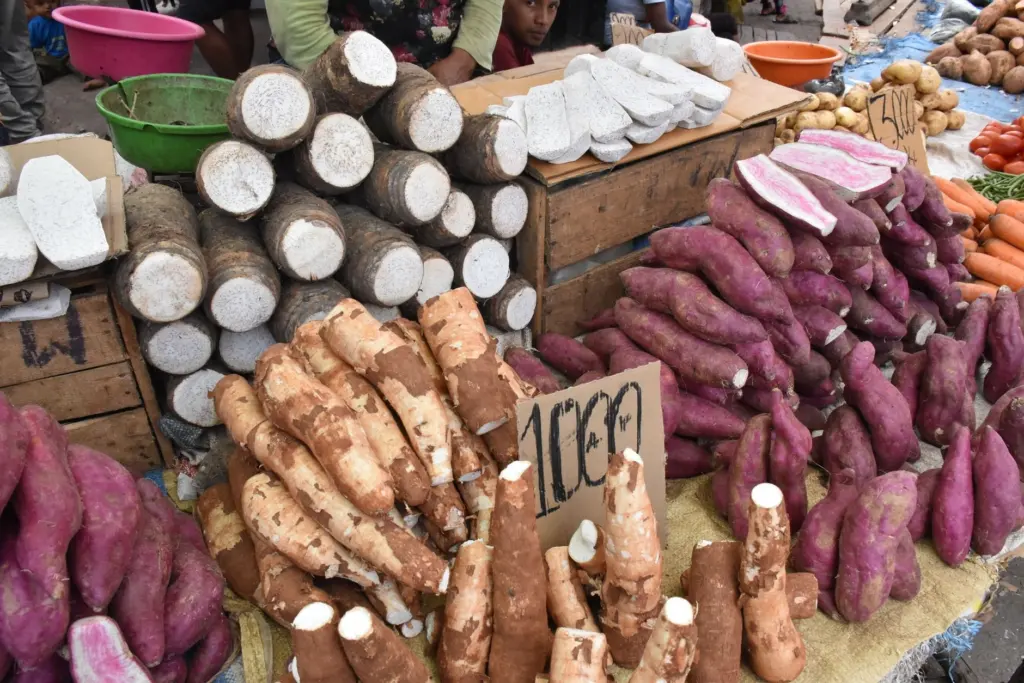
The biggest misunderstanding is that any purple root is ube. Several tubers look similar on a shelf, but they differ in flesh, skin, sweetness and the dishes they suit.
| Tuber | Flesh and skin | Flavor and texture | Planning use |
|---|---|---|---|
| Ube | Purple flesh; thick, bark-like skin that is inedible | Gentle, earthy, subtly sweet; starchy and moist when cooked | Usually desserts; peel before using the flesh |
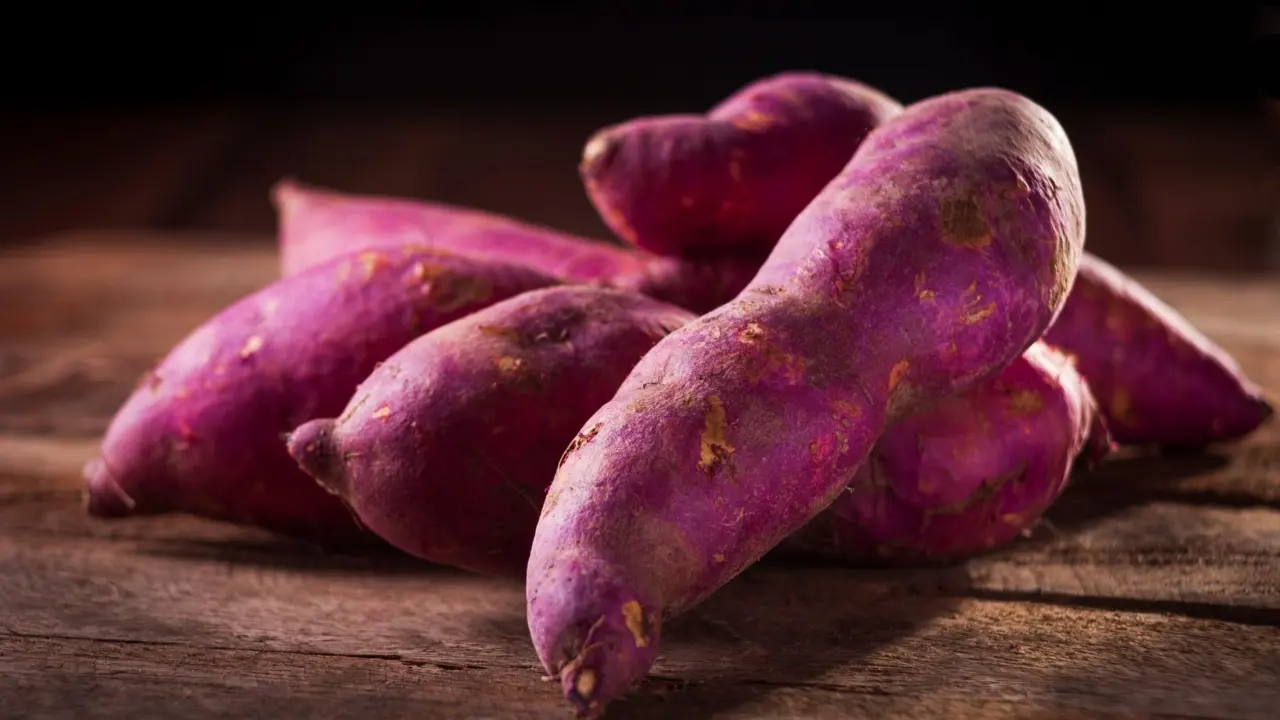
| Okinawan purple sweet potato | Similar purple color; the beni imo type has thin, edible skin | Similar flavor profile, but slightly drier than ube | The closest stand-in for ube; expect a slightly drier result |
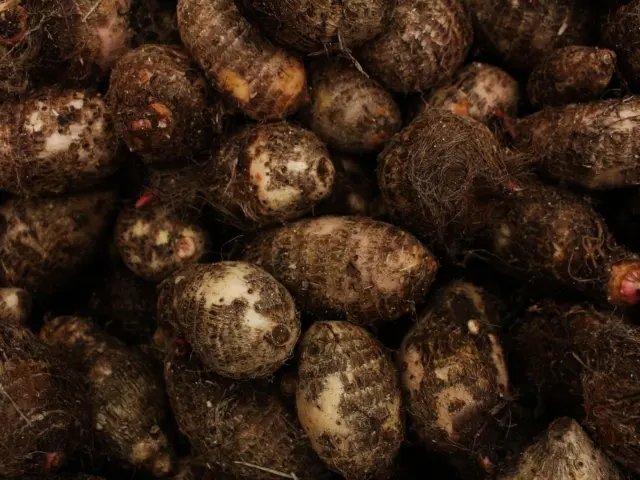
| Taro | White flesh with purple specks; fuzzy brown skin | Less sweet than ube | Used in both savory and sweet dishes, so a poor swap in an ube dessert |
Figures and descriptions in the table draw on an ube guide from Bites by Bianca and a guide to the Filipino purple yam.
- “It is just purple sweet potato.” The two can look and taste alike, but purple sweet potato leans sweeter, with an earthy, almost wine-like depth. If you substitute it for ube, plan for a sweeter and slightly drier result rather than an identical one.
- “Ube is taro.” Taro is a separate tuber with white, purple-flecked flesh. Its savory-and-sweet versatility is the practical difference: reach for taro when a dish is savory, and ube when the dish is a sweet one built around that purple color.
- “You can eat the skin.” Ube’s skin is thick and inedible, unlike the thin skin of beni imo purple sweet potatoes, so the two are not prepared the same way.
Flavor and texture
Ube tastes quieter than its color suggests. One description calls the flavor gentle, earthy and subtly sweet, with a soft nuttiness. Another finds notes of vanilla, sometimes described as white chocolate, with an earthy, nutty taste that reminds some people of pistachios. Do not expect a berry or grape flavor from the purple.
The texture is just as distinctive. Cooked ube is starchy and moist, with a soft flesh that is somewhat grittier than standard potato. That body is part of why it works in thick pastes and jams, where a smooth, dense texture is the goal.
Sweetness is the other point people get wrong. Ube can be naturally sweet, but it is less sweet than a sweet potato, and the level shifts with preparation such as roasting. Because the flavor is delicate, most ube dishes rely on added sugar and milk to carry the sweetness, and the ube supplies color, body and a nutty, vanilla-like background.
Classic ways ube is used
The best-known use is ube halaya. It is made of mashed ube mixed with different milks and sugar, cooked down into a thick paste, and it is described as one of the most iconic Filipino desserts, a sweet, rich and creamy jam. If you only try one traditional ube preparation, make it halaya, because it shows the tuber’s texture and flavor with nothing else competing.
Ube also appears in puto, a steamed rice cake, which shows that its role extends past jam. In general, ube is usually in desserts, whereas taro appears in both savory and sweet cooking. That split is a good rule of thumb when you are deciding which tuber a recipe really wants.
Buying ube: fresh, frozen, powder and extract
The right form depends on how much effort you want to spend and how much real ube flavor you need. Fresh tubers give you the most control, but the other forms save time.
- Fresh tubers. These need washing, cooking and removal of the inedible skin before the flesh is used. They suit cooks who want to make halaya from scratch.
- Frozen ube. You can find frozen ube in the frozen aisle, sold mashed, grated or in whole pieces. It is the practical middle ground, since the tuber is already prepared.
- Powder. It is made from yams that are dehydrated and pulverized into a shelf-stable powder, so it suits a pantry and occasional baking.
- Extract. Bottled ube extract or flavor is a convenience product, and almost all brands contain blue and red artificial coloring that turns food purple. A purple result from extract therefore says little about how much actual ube went in.
- Ready-made halaya. Jarred halaya saves hours, but commercial versions are often less creamy and contain preservatives. Choose it for convenience, and make your own when texture is the priority.
Cooking ube at home
Fresh ube
Start by washing the tuber, then cook it until the flesh is soft. One recipe approach is boiling for 30-40 minutes and then using the flesh in ube recipes. You can also boil, steam or bake the ube, baking at 400 F for 45-60 minutes until the flesh is soft. Boiling and steaming are the simpler routes, while baking suits cooks who prefer to keep the tuber whole until it is tender.
Frozen ube and powder
Frozen ube behaves a little differently in a pot. When making halaya from frozen ube, you might need an extra 10-20 minutes of cooking time, so budget for that before you plan a dessert around a deadline. Powder needs rehydrating: whisk it well with water and let it simmer for about 20 minutes before it goes into a recipe.
Turning cooked ube into halaya
Once the ube is soft, mash it, then cook it with milks and sugar until it thickens into a paste, which is the defining method behind halaya. Stir as it thickens, since the starchy ube will catch on the pot as it reduces. Because the flavor of ube is gentle, taste as you go and let the milk and sugar frame the vanilla and nutty notes rather than bury them.
Pairing ube with other trending flavors
If you enjoy bright, novel flavors, ube sits comfortably alongside other projects on this site. The walkthrough How To Make Popping Boba At Home: Easy, Flavorful Spheres In 30 Minutes – Bionicbites suits cooks who like playful textures, and What Is A Matcha Latte? The Simple Guide To Taste, Benefits, And How To Make It (2026) – Bionicbites covers another vividly colored favorite.
Frequently asked questions
| Question | Answer |
|---|---|
| Can ube be eaten raw? | No. Like most tubers, ube can’t be consumed raw and must be cooked before eating. |
| How should opened store-bought ube halaya be kept? | Refrigerate it. Once the jar is opened, it must be refrigerated. |
| Is ube a type of sweet potato? | No. Ube is a yam, Dioscorea alata, with a thick inedible skin, while purple sweet potatoes such as beni imo have thin, edible skin and a sweeter flavor. |