People ask what is birria when they see spicy, red meat stews. The term refers to a slow-cooked Mexican stew. Chefs make it from goat, beef, or lamb. Families serve it at celebrations and markets. This guide explains what is birria, its roots, how cooks prepare it, and how people eat it in 2026.
Key Takeaways
- Birria is a traditional Mexican stew slow-cooked with goat, beef, or lamb, originating from Jalisco and known for its rich, chile-based sauce.
- The core ingredients include dried chiles, garlic, onion, spices, and acid like vinegar or lime, which combine to create a layered flavor profile of heat, smoke, acidity, and umami.
- Birria is popularly served as tacos with consommé, where tortillas are dipped in the sauce and grilled, then enjoyed with the flavorful broth for added texture and taste.
- Regional variations exist with some cooks using different meats and spices, but the slow-cooking method and chile sauce remain essential to defining what birria is.
- Modern cooking methods like pressure cookers and slow cookers offer convenience while maintaining the stew’s traditional flavor and depth.
- Pairing birria with warm corn tortillas, fresh lime, simple salsas, and acidic drinks enhances the dining experience, and leftovers reheat well while preserving texture.
Origins And Regional Variations: From Jalisco To Modern Twists
People trace what is birria to western Mexico. Ranchers and villagers first cook birria in Jalisco. They slow-cook goat over low heat. The original cooks use fire pits and earthen pots. Traders later carry the recipe to neighboring states. Farmers adapt the dish to local meat and chiles.
Chefs in Jalisco focus on goat and lamb. Ranchers in other states favor beef. Street vendors in urban centers add local spices. Many cooks now add new ingredients. Chefs use beef short ribs or chuck when goat is hard to find. Vendors add cheese or avocado for contrast. Food writers note that these changes alter texture and depth but keep the core stew character.
Modern chefs also change cooking methods. Restaurants braise meat in pressure cookers to save time. Home cooks use slow cookers for convenience. Some cooks roast chiles on a griddle before blending. Others toast whole spices to add warmth. Food historians point out that the sauce and slow-cook method define what is birria more than the specific meat.
People find birria in two main styles. One style stays close to Jalisco and uses a deep red, chile-heavy sauce. The other style blends regional tastes and uses lighter, tangy salsas. Street tacos and plated stews both show regional variation. Travelers note that each town serves a slightly different version. Cooks keep adapting the dish while keeping its social and festive role.
Traditional Ingredients, Preparation Methods, And Flavor Profile
Cooks list the core parts when they describe what is birria. The main parts include meat, dried chiles, garlic, onion, spices, and vinegar or lime. Many cooks add bay leaves, black pepper, cumin, and oregano. The cook uses dried ancho, guajillo, and sometimes pasilla chiles for color and heat. The cook rehydrates chiles before blending them into a sauce.
The cook sears the meat first to build flavor. Then the cook braises the meat in the chile sauce and stock. The cook simmers the stew for hours until the meat falls apart. The slow cook process melts connective tissue and releases collagen. This step gives the broth body and mouthfeel.
The flavor of birria combines heat, smoke, acid, and umami. The chiles provide deep red color and mild to medium heat. Toasted spices add a warm, earthy note. Vinegar or lime adds bright acidity. Cooked meat adds savory depth. The broth often tastes rich and slightly tangy.
Cooks finish birria with final seasoning. The cook adjusts salt and acid near the end. Some cooks strain the sauce and then return the meat to the broth. Others serve the sauce thick without straining. That choice changes the mouthfeel but not the core flavor. People describe what is birria by its layered taste rather than a single dominant note.
How To Eat Birria: Tacos, Consommé, Pairings, And Serving Tips
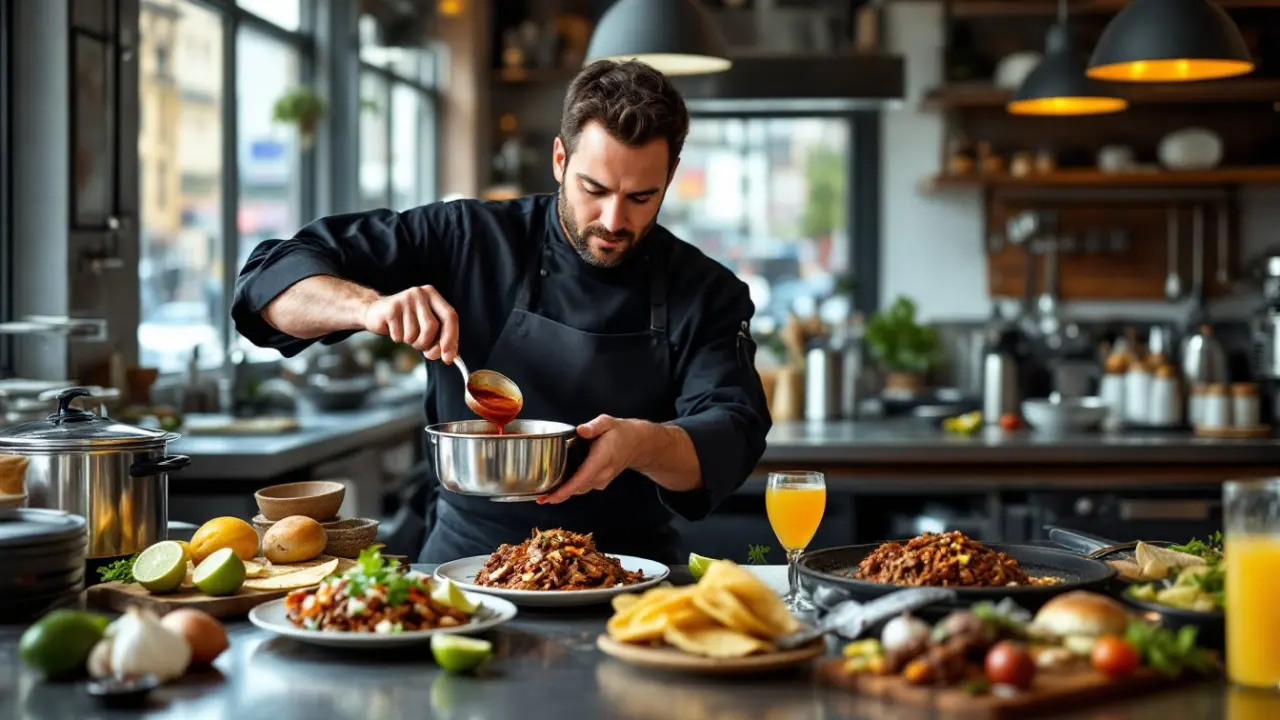
People ask what is birria when they see birria tacos and consommé. Street vendors serve birria with tortillas and broth. A server dips the tortilla in the sauce, fills it with shredded meat, and grills it until crisp. Customers then dunk the taco in the consommé. This method adds flavor and texture.
Restaurants plate birria as a stew for larger meals. Servers ladle meat and broth over rice or next to tortillas. They place chopped onion and cilantro on top. Diners squeeze fresh lime juice before they eat. Salsa and sliced radish or cabbage often accompany the dish.
Pairings bring contrast and balance. People pair birria with warm corn tortillas and simple salsas. They pair it with bright, acidic drinks like limeade or beer. Some cooks suggest a light, citrusy soda to cut the richness. Bakers sometimes serve pan de arroz or bolillo to soak up the broth.
Tips help home cooks and diners. The cook heats the consommé before serving to highlight aroma. The cook shred the meat with two forks to keep texture loose. Diners toast tortillas on a flat griddle for flavor and structure. Leftovers keep well. The cook refrigerates the stew and rewarms it slowly to preserve texture.
By 2026, food creators expand what is birria in small ways. They add cheese, pickled onions, or fusion toppings. They keep the core stew and broth intact. Diners who try different versions still trace the dish back to the original slow-cooked, chile-sauced meat.