The question “what is ube flavor” appears in searches worldwide. This article answers what ube flavor means, where it comes from, and how people use it. It compares ube to other purple foods and gives clear buying and storage tips. The reader will learn practical uses and simple taste cues to try at home.
Key Takeaways
- Ube flavor originates from a sweet, creamy purple yam native to Southeast Asia, known for its mild sweetness and subtle floral notes.
- Distinct from purple sweet potato and taro, ube offers a unique yam-like taste with hints of vanilla and coconut, making it popular in desserts and beverages.
- Ube’s vibrant purple color and creamy texture make it ideal for use in ice creams, cakes, drinks, and other culinary creations.
- When cooking with ube, pairing it with milk, coconut, or sugar enhances its natural creaminess and sweetness without overpowering its flavor.
- Fresh ube should be stored in a cool, dry place, while ube paste and powders offer convenient alternatives for baking and cooking at home.
- To experience authentic ube flavor, cook a small piece plain with milk to taste its sweet and vanilla notes before adding other ingredients.
What Is Ube? Origins, Ingredients, And How It Differs From Other Purple Foods
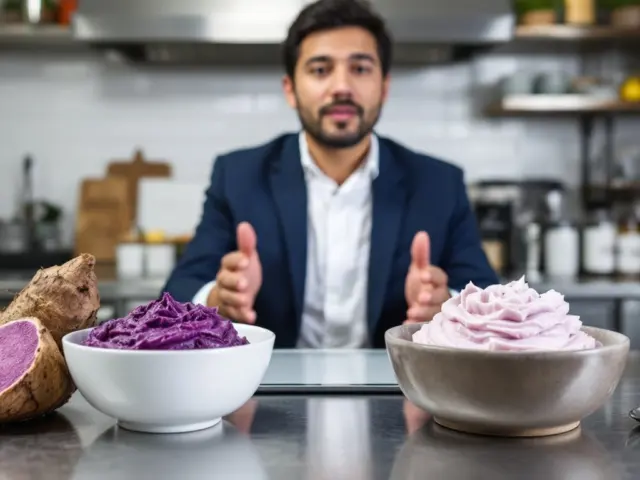
Ube is a purple yam native to Southeast Asia. Filipino cooks have used ube for generations in desserts. The plant grows underground and stores starch in a violet tuber. People often confuse ube with purple sweet potato or taro. Ube differs in species, starch content, and flavor. Farmers harvest ube when the tubers reach full size. Traditional recipes use boiled or roasted ube mashed into a paste. Store-bought ube products often list ube, water, sugar, and stabilizers. When people ask “what is ube flavor,” they usually refer to that cooked, sweet yam taste. In contrast, purple sweet potato tastes earthier and less floral. Taro tastes nuttier and less sweet. Ube’s color comes from anthocyanin pigments. These pigments also add subtle floral notes that distinguish ube from other purple roots. Chefs value ube for its vivid color and mild sweet profile. Food producers extract ube flavor for ice creams, pastries, and beverages. Those extracts aim to preserve the yam’s natural scent and taste.
Taste And Texture Profile: What Ube Actually Tastes Like
Ube offers a creamy, slightly grainy texture when cooked. It feels soft and starchy on the tongue. The taste blends mild sweetness, dairy-like creaminess, and low floral hints. The flavor does not taste like berry or grape. Instead, it feels yam-like with gentle vanilla echo. When people ask “what is ube flavor,” they mean that mix of mild sweet, soft starch, and faint floral note. Ube works well when paired with milk, coconut, or sugar. Those pairings highlight its natural creaminess without masking the yam base. Chefs often test ube in custards and ice creams to show its texture. Many people prefer ube that keeps its soft grain rather than turning fully smooth. Texture affects taste perception. A denser mash will taste richer. A lighter puree will taste more delicate. Salt in small amounts brings out ube’s sweetness. Acid, like a squeeze of lime, can brighten the flavor in some recipes.
Common Flavor Notes And How Ube Changes When Cooked Or Sweetened
Ube shows notes of vanilla, mild coconut, and toasted yam. Heat deepens the sweetness and increases the vanilla-like aroma. Sugar pushes the floral tones forward. Coconut milk makes ube taste rounder and fuller. Roasting ube adds caramel notes and a nuttier finish. Boiling keeps the flavor cleaner and more yam-forward. Freezing and thawing can mute some floral accents. Extracts and powders concentrate the sweet and vanilla cues and reduce texture hints. When people ask “what is ube flavor” for a product, they often mean the concentrated sweet-vanilla profile rather than the fresh yam texture.
Culinary Uses: Classic Filipino Recipes And Modern Ube Creations
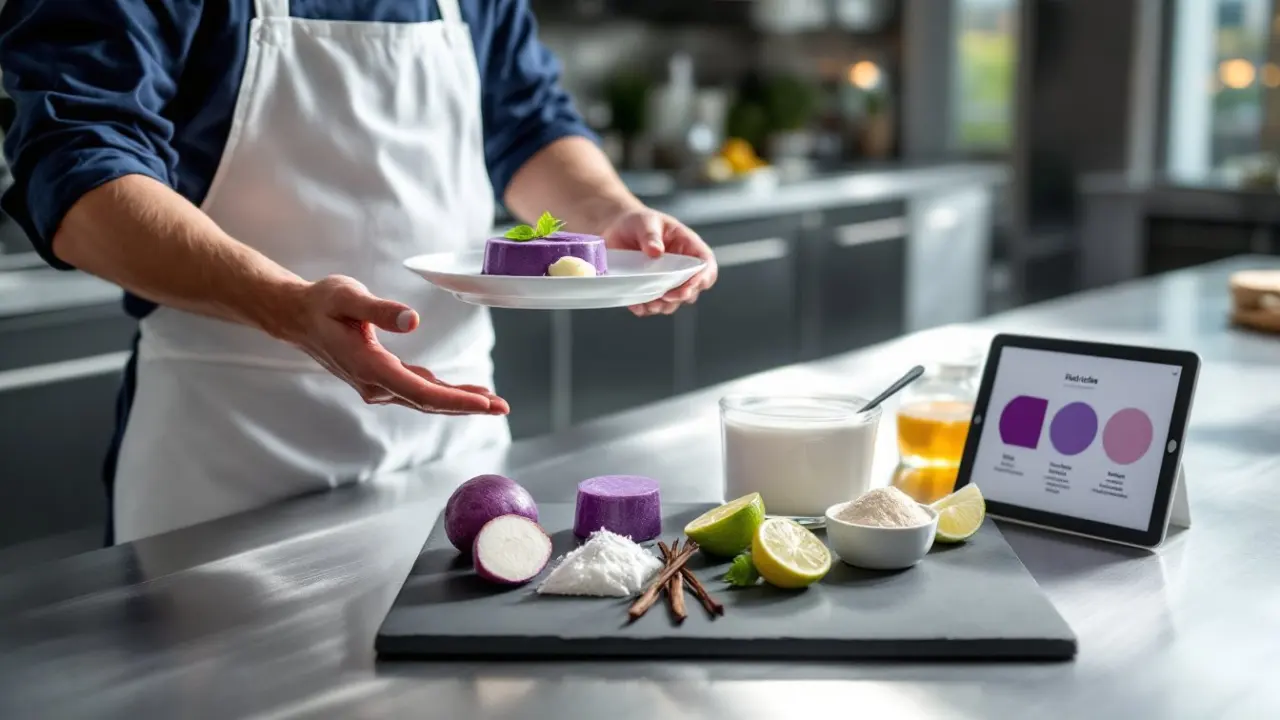
Ube plays a central role in Filipino desserts. Classic dishes include ube halaya, ube cake, and halo-halo. Ube halaya is a cooked jam made from mashed ube, condensed milk, and butter. Bakers use ube in layered cakes, pastries, and breads for color and mild sweet taste. In recent years, chefs worldwide added ube to ice cream, macarons, and lattes. They use the flavor for visual impact and a pleasant, soft sweetness. Restaurants present ube as a dessert highlight in tasting menus and casual bakeries. Food brands released ube chips, cookies, and candy to reach broader markets. Home cooks use ube paste or extract when making pancakes or frostings. Beverage makers blend ube with milk and syrup for purple lattes and milkshakes. Ice cream makers pair ube with coconut, mango, or toasted sesame. The pairing choices aim to complement the yam base. When people search “what is ube flavor,” they often want ideas for where to use it. Common uses include fillings, creams, and drink bases. Ube works well as a colorant when chefs want a natural purple tone. It also holds up in baking and freezing better than many fruit-based colorants.
How To Buy, Store, And Use Ube At Home (Fresh, Powdered, And Extracts)
Buy fresh ube at Asian markets during harvest seasons. Choose firm tubers with deep purple flesh and no soft spots. For convenience, buy ube paste for baking or ube jam for spreads. Powdered ube suits dry mixes and doughs. Extracts and flavorings suit beverages and quick recipes. Store fresh ube in a cool, dry place for up to two weeks. Wrap cut ube in plastic and refrigerate to slow drying. Freeze cooked ube paste in airtight containers for up to three months. Powdered ube stays shelf-stable in a sealed bag away from moisture. Keep extracts in a cool pantry and follow the label for shelf life.
To use fresh ube, scrub and peel the tuber, then steam or boil until soft. Mash the cooked ube and strain for a smoother paste if needed. For baking, use ube paste or powdered form to keep moisture balanced. Start with small amounts of extract: it concentrates the flavor. When a recipe calls for sugar and dairy, ube will blend smoothly and carry the other flavors. When people ask “what is ube flavor” before cooking, suggest a simple test: cook a small piece plain and taste it with a bit of milk. That test shows the core sweet, yam, and vanilla notes. Home cooks can adjust sugar and coconut to fit their taste. Ube adapts to many recipes and keeps its purple color better than many fruit dyes.