| Decision | Supported value | Planning use |
|---|---|---|
| Quick-cook pearls | Rolling boil for 2 mins, then heat off with the lid on for 2 more mins (500ml water) | Choose these when time is short, but only if the pack says quick-cook. |
| Standard pearls | Around 20 to 30 minutes, varies by size and brand | Start them first and brew the tea while they cook. |
| Water for cooking pearls | At least 7 to 10 parts water to 1 part pearls | Reach for your largest pot. |
| Tea base | 100ml boiling water, brew 10-15 mins, then cool to room temperature | Brew ahead so it is ready to pour. |
| Sugar syrup | 50g caster sugar with 60ml water; 1 tbsp per drink | Make it before you assemble the glass. |
| Milk | Whole milk; 200ml cold milk in the recipe | Keep the milk cold from the fridge. |
| Holding cooked pearls | Covered for up to three hours; do not refrigerate | Cook the pearls close to serving time. |
These figures come from BBC Good Food’s bubble tea recipe and Bubble Panda’s guide to cooking tapioca pearls.
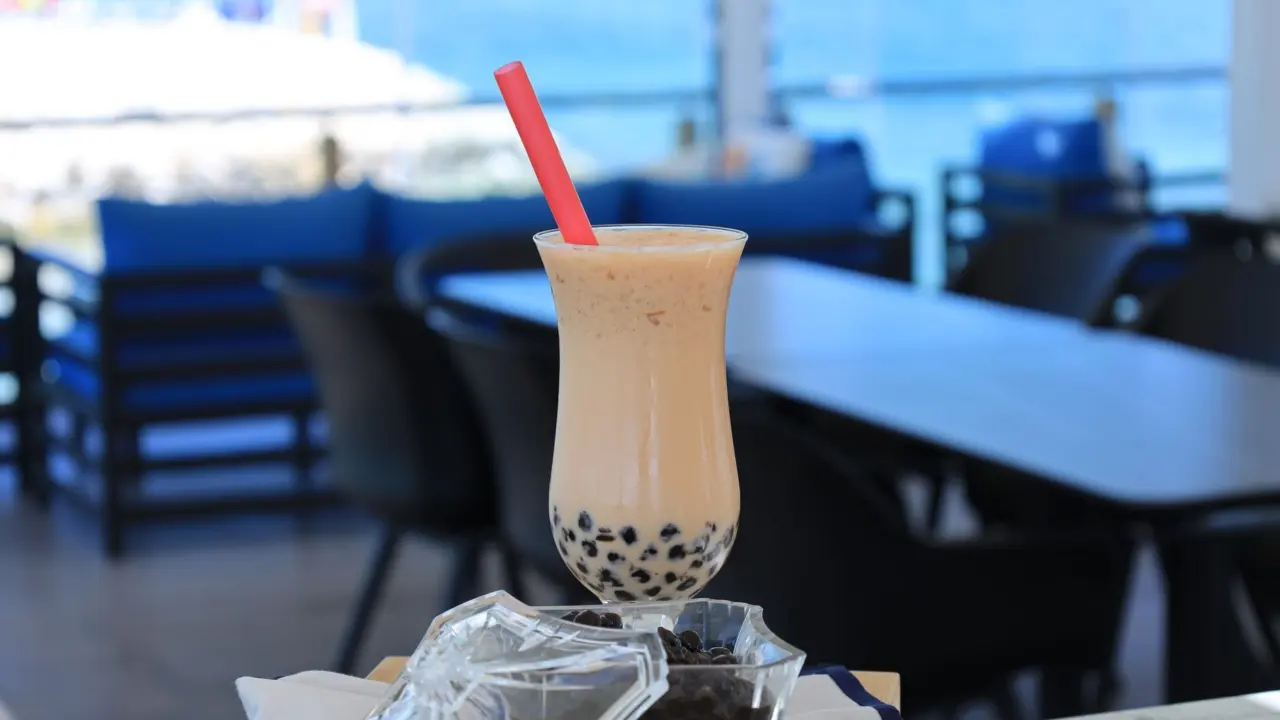
Here is how to make boba tea at home: cook the tapioca pearls until chewy, brew black tea strong, cool it, then add whole milk and syrup. Pearl timing depends on the type, so check the package first.
If you are building your kitchen confidence alongside this drink, our home cooking basics for beginners covers the wider skills behind it, from measuring to timing.
Pearl timing and what it changes
The pearl type decides how long the whole drink takes, because quick-cook and standard pearls follow very different schedules. BBC Good Food builds a single-serve recipe around 50g of quick-cook tapioca balls, boiled hard for 2 mins in 500ml water and then left with the lid on for 2 more mins. Standard pearls need far longer. Bubble Panda puts most standard pearls at around 20 to 30 minutes, depending on size and brand. Its method is to boil for about 20 minutes, switch off the heat, cover the pan and rest the pearls for 15-20 minutes.
Other cafe-style guides land in the same zone. Sharetea uses a medium simmer of 20-25 minutes with occasional stirring, then a covered steep in the hot water for another 20 minutes. Tasty simmers gently for about 20 minutes until the pearls are cooked through. The practical reading is that the simmer is roughly 20 minutes and the covered rest is part of the cooking, not an optional extra. The package timing should settle any difference between brands.
- Quick-cook pearls suit a spontaneous drink. The short boil-and-rest method keeps the whole job to a few minutes of active cooking, which makes it the better pick for a weeknight single serving.
- Standard pearls suit a planned batch. They reward patience with a deeper, chewier centre, so start them before anything else and let the covered rest finish the job while you brew tea.
- A big pot matters more than it looks. Sharetea asks for at least 6 cups of water per 1 cup of pearls, Bubble Panda for at least 7 to 10 parts water to 1 part pearls, and UTea for at least 10 parts to 1. A large pot is the safer choice across all three.
- A syrup soak adds flavour. Tasty lets drained pearls sit in brown sugar syrup for 30-60 minutes, which suits anyone making the pearls ahead of the drink.
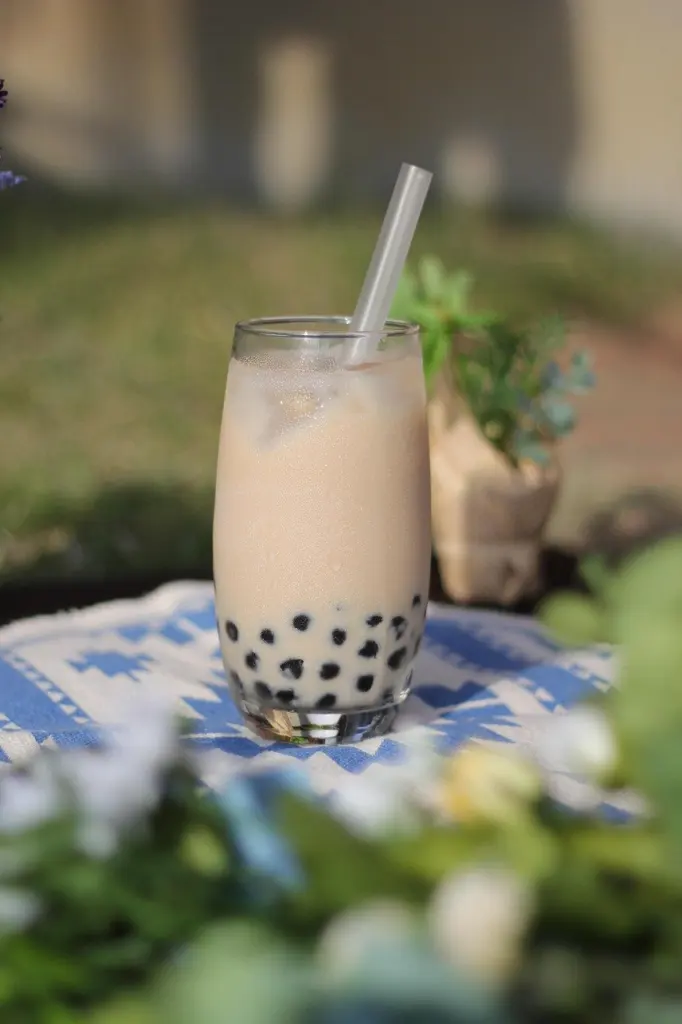
Once the pearls are done, the tea and milk decide how the drink tastes, so the next choices are about strength and proportion.
Tea and milk: strength, ratios and choices
Black tea is the best tea for boba milk tea, and a strong brew is what makes it work. BBC Good Food calls black tea the traditional preferred choice and notes that Assam is the standard in shops. Sharetea describes the key as brewing about twice the strength you would normally drink, at 2 tea bags per 1 cup. Tasty takes the same idea further, steeping 6 black tea bags in 2 cups of water. Whichever route you take, let the tea cool to room temperature before assembling. BBC Good Food brews 100ml of boiling water for 10-15 mins first, and Tasty also cools its tea.
The milk side has two proven approaches, and they suit different tastes:
- Milk-forward, cafe-style: BBC Good Food pairs the 100ml tea brew with 200ml cold whole milk and 1 tbsp of syrup. It says whole milk is always the best choice, and not just for flavour. This suits people who want a creamy, mellow drink.
- Tea-forward and sweeter: Tasty uses 3 tablespoons of half and half plus 3 tablespoons of sweetened condensed milk per serving, with ½ cup (240 ml) of tea and 1½ cups (225 g) of ice. The condensed milk does the sweetening, so this suits anyone who wants less fuss with syrup.
- Plain sugar syrup: BBC Good Food notes that sugar syrup is traditionally used in the milk. Its version is 50g caster sugar with 60ml water, and it keeps the flavour clean so the tea still comes through.
If the caramel-heavy style appeals more, BBC Good Food describes brown sugar boba as brown boba gently cooked in caramelised brown sugar and served with ice and milk. Our guide, How To Make Brown Sugar Boba At Home: Easy 20‑Minute Recipe For Chewy, Caramelized Pearls (2026) – Bionicbites, takes that route in full.
Building the glass in the right order
Sequence matters more than speed, because the pearls take longest and the tea must cool before it meets the milk. Work through the drink in this order:
- Start the pearls. Get them boiling and into their covered rest before you do anything else.
- Brew the tea while they rest. Steep it strong, then set it aside to cool to room temperature.
- Stir the syrup together. Prepare it now so it is ready when you assemble.
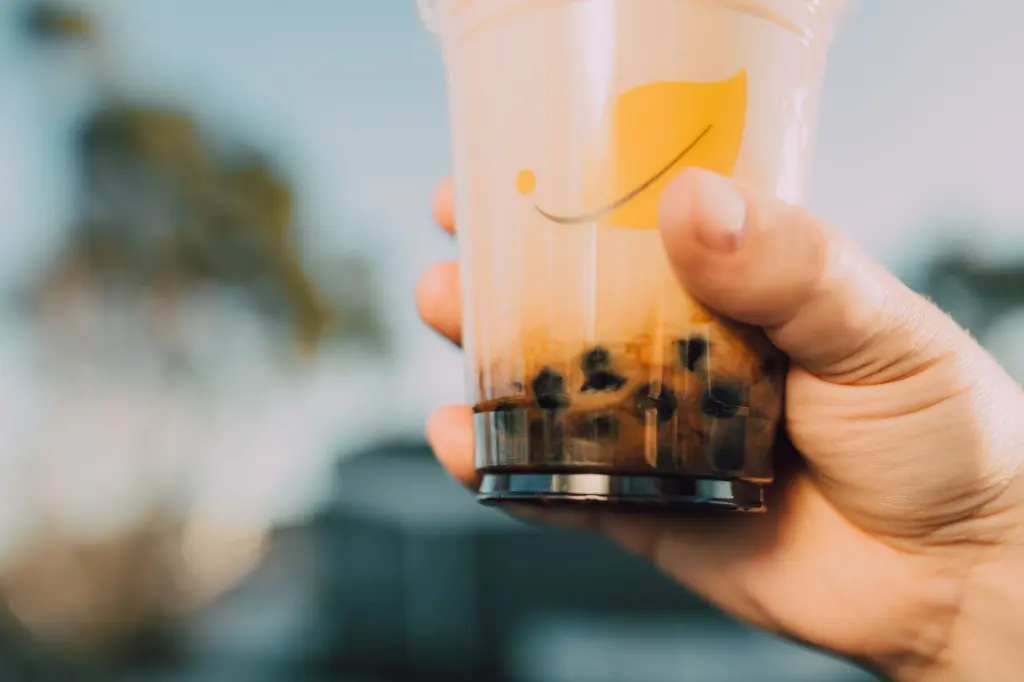
- Fill the glass. Spoon the pearls in first, top with ice, then add the cooled tea, the cold milk and the sweetener, and stir.
The drink then goes straight to the table, because pearls are at their best within a few hours of cooking.
Fixing hard pearls and weak tea
Hard pearls usually trace back to one of a few handling choices, and each has a fix. The target is a pearl that Sharetea describes as springy, bouncy and chewy throughout. Use this list to find the likely cause:
- Pearls went in the fridge. BBC Good Food says cooked boba can be left covered for up to three hours and should not be refrigerated because they harden. Sharetea does store leftovers in sugar syrup in the fridge for up to two days. For the chewiest result, treat chilling as the riskier option and cook only what you plan to drink.
- The cold rinse ran too long. BBC Good Food drains pearls under gentle running tap water for about 20 seconds. Bubble Panda warns that cold water used for too long can firm pearls up too much. Keep the rinse brief, or use warm water instead.
- The cooking was cut short. Bubble Panda puts standard pearls at around 20 to 30 minutes and says timing varies by size and brand. If the centres are still firm, cook a little longer and let them rest covered with the heat off.
- The pearls are no longer fresh. Bubble Panda says pearls are at their best within a few hours of cooking, so a batch cooked earlier in the day is a likely culprit.
- The tea tastes thin. The fix is a stronger brew, since Sharetea calls strong brewing the key, at about twice normal strength. BBC Good Food’s 10-15 mins steep gives a sense of how long a concentrated base takes.
More homemade kitchen projects
Once a drink like this feels routine, the same measure-and-time habit carries over to savoury staples. A good next project is Restaurant-Style Ranch Dressing: The Easy Copycat Recipe For Creamy, Tangy Flavor (2026) – Bionicbites.
Frequently asked questions
What is the difference between boba and tapioca pearls?
BBC Good Food says the large dark-coloured tapioca balls are called boba. The pearls are made from tapioca starch, which Sharetea says is extracted from the cassava root.
Where does boba tea come from?
Bubble tea, also called boba tea, is a tea-based drink that originated in Taiwan in the 1980s, according to BBC Good Food.
How should a cooked pearl feel?
A well-cooked pearl is springy, bouncy and chewy all the way through, a texture often described as QQ. A pearl that is firm in the middle needs more cooking time.