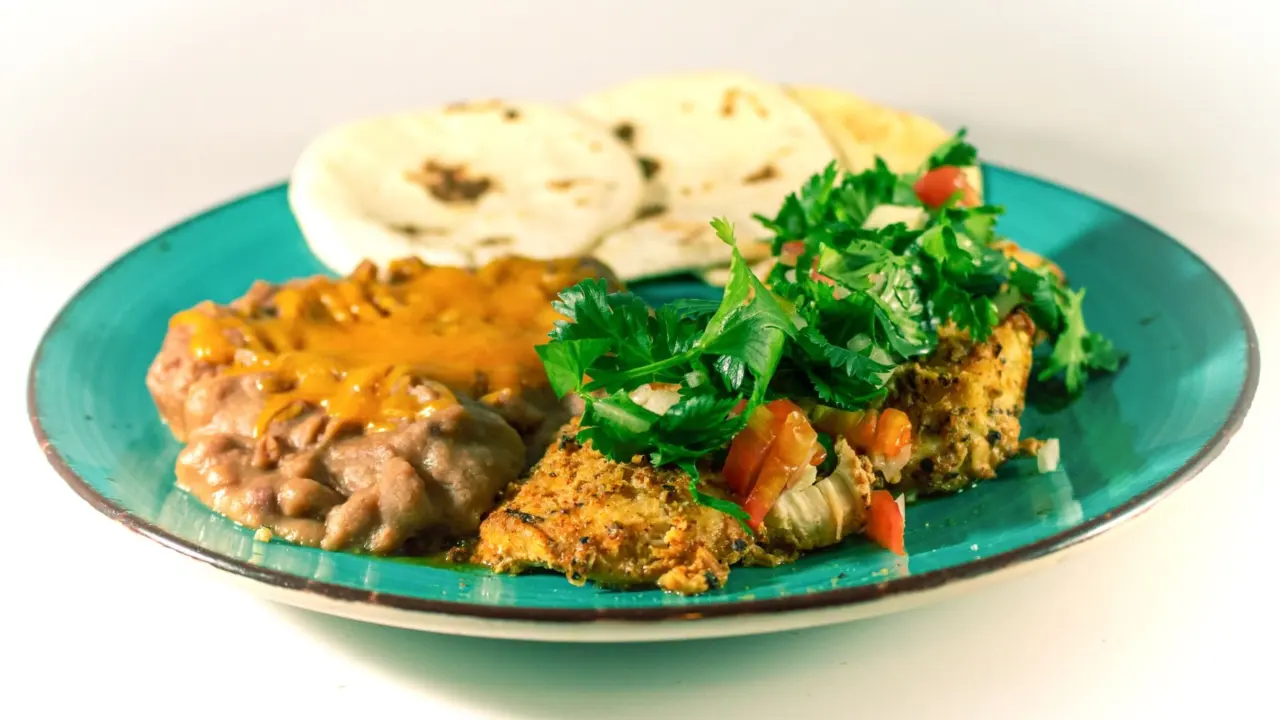
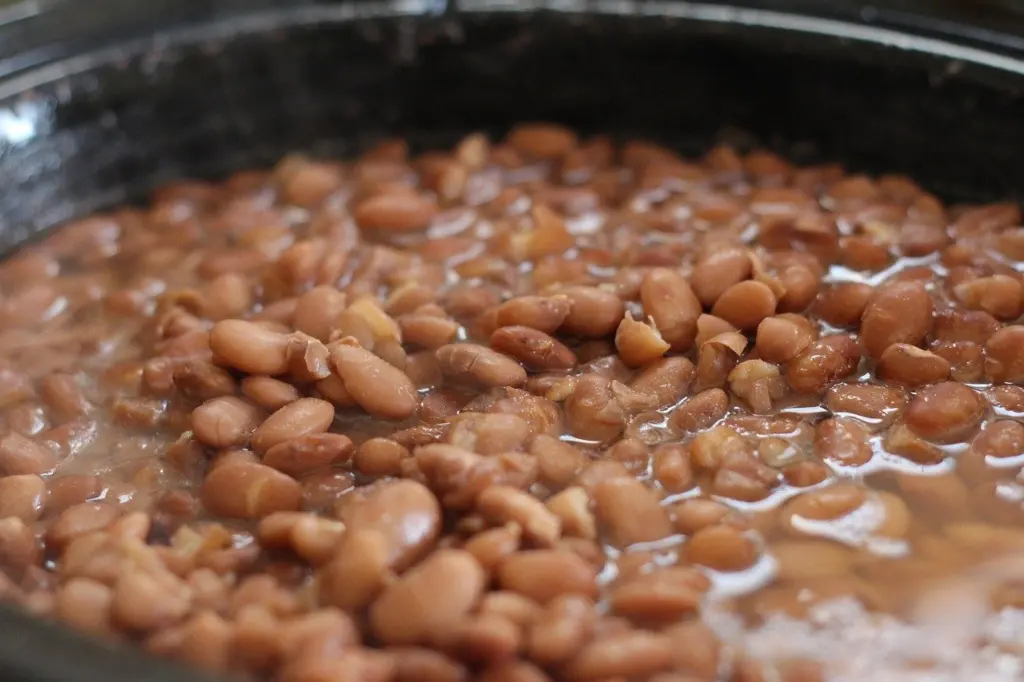
Restaurant style refried beans come from very soft pinto beans mashed in a skillet with melted fat and some of their own cooking liquid, then simmered until no whole beans remain. Pull them off the heat slightly thin, because they thicken as they cool.
The method below is one of the building blocks covered in home cooking basics for beginners, and it rewards a little care with fat, liquid and heat.
How silky refried beans are built
Refried beans are cooked and mashed pinto beans that are cooked again in fat, traditionally lard, according to Muy Bueno. That second cooking is where a plain pot of beans becomes the smooth, savory side served at a Mexican restaurant. Three variables decide whether the result is silky or pasty: how tender the beans are, which fat goes in the skillet, and how much bean liquid you keep.
Start with beans that are fully tender
Muy Bueno stresses that cooked pinto beans should be very soft and mash easily before they ever reach the skillet. This is the step home cooks most often rush. A bean that still resists the masher leaves behind whole pieces and grainy bits, and the target is a mash with no whole beans remaining. If you cook dried pinto beans yourself, keep simmering until they give way under light pressure rather than following a clock. Pinto beans already cooked and cooled work just as well, including a batch made a day ahead.
Use the fat as the cooking medium
In this dish the fat is not a garnish. The mashed beans are cooked again in it, so it coats the mash as it simmers. That is why recipes call for several tablespoons rather than a drizzle, and why a lean version tastes flatter and sets up stiffer. The next section covers which fat to choose and how much.
Keep the bean cooking liquid
Muy Bueno’s advice is not to drain homemade beans. Reserve about 1/2 cup of the bean broth and add it while mashing. The broth carries bean flavor and starch, so it loosens the mash without diluting it the way plain water would. Reach for it whenever the beans start to tighten in the pan.
Choosing between lard and oil
Lard is the traditional fat and gives the most authentic flavor, but olive oil works well and suits cooks who avoid animal fat. Epicurious says freshly rendered lard is the traditional fat for refried beans and points to Latin American markets as a source. Its recipe specifies nonhydrogenated lard. The same recipe adds that lard or bacon fat is very tasty in these beans, but olive oil can be used instead.
Muy Bueno agrees that olive oil, bacon grease or shortening also work. For a vegetarian pot, it suggests avocado oil or a neutral oil. Choose by the result you want:
- Lard or bacon fat: the choice for the richest, most traditional flavor, and the closest match to what the dish was built around.
- Olive oil: a practical, lighter option that the Epicurious recipe explicitly allows. Expect a slightly different, less savory flavor.
- Avocado or neutral oil: the cleanest choice for vegetarian beans, where the bean and onion flavor should lead.
- Shortening: workable according to Muy Bueno, though it adds richness without adding flavor.
How much fat per cup of cooked beans
| Recipe | Fat | Cooked beans | Approximate fat per cup | Planning use |
|---|---|---|---|---|
| Muy Bueno | 2 tablespoons lard or olive oil | 1 1/2 cups | about 1.3 tablespoons | A lighter starting point, especially with olive oil |
| Epicurious | 3 or 4 tablespoons nonhydrogenated lard | 2 cups pinto or black beans | about 1.5 to 2 tablespoons | A richer, more restaurant-like pot with lard |
These quantities come from the Muy Bueno and Epicurious recipes, and they are recipe amounts rather than fixed rules.
The two recipes land within a fairly narrow band, so a sensible approach is to scale the fat to the cups of beans you have. Begin near the lower figure with olive oil, which is a lighter fat. Move toward the higher figure when using lard and you want the fuller, richer finish. If the beans taste dry or look matte after mashing, the fat is usually the first thing to adjust.
Fat and heat also decide texture elsewhere in restaurant cooking. Restaurant-Style Baked Potatoes: How To Get Crispy Skins And Fluffy Centers Every Time – Bionicbites takes the same approach to a different side dish.
Cooking the beans in the skillet
A cast iron skillet and a potato masher are the only special equipment in the Muy Bueno recipe. The skillet holds steady heat while the beans reduce, and the masher breaks down the beans without the gluey texture a blender can create. Work through the stages in order:
- Prepare the beans. Cook dried pinto beans until very soft, and keep their cooking liquid. Beans cooked ahead save time at this stage.
- Soften the onion in the fat. Melt the fat in the skillet over medium heat and cook chopped onion until soft, about 7 minutes, as in the Epicurious recipe. This builds a savory base before any beans go in.
- Add the beans and some broth. Tip in the beans with a portion of the reserved liquid, keeping the rest nearby for adjustments.
- Mash as they heat. Press and twist the potato masher through the beans, working across the whole pan. Epicurious says to mash until creamy.
- Simmer and stir. Muy Bueno has you continue cooking, stirring often, for about 10 minutes until no whole beans remain. Add more broth whenever the mash tightens.
- Stop while still a little loose. Take the skillet off the heat when the beans look slightly thinner than you want to serve.
The sequence matters. Onion first means its flavor is in the fat before the beans soak it up. Mashing in the pan, rather than beforehand, lets you judge texture against the broth as you go. Stirring often prevents scorching on the bottom of the skillet, where the starch tends to stick.
Getting the texture right
The most useful rule for a silky finish is to serve the beans a little thinner than you ultimately want. Epicurious notes that the consistency should be a little on the thin side, because the mashed beans will thicken as they sit. Muy Bueno makes the same point: refried beans continue to thicken as they cool. A pan that looks perfect on the stove can turn stiff by the time it reaches the table.
Common problems and what to adjust
- Grainy or lumpy beans: the beans were probably not soft enough, or mashing stopped early. Keep mashing and simmering until no whole beans remain.
- Stiff, pasty beans: add reserved bean broth in small splashes and stir until the mash loosens. Using the broth rather than water keeps the bean flavor intact.
- Dry or dull beans: the pot likely needs more fat. Compare your ratio against the per-cup figures in the table above.
- Flat flavor: taste before serving and season, since beans absorb salt heavily during cooking. A simple fix is better than adding extra ingredients.
Restaurants serve beans that spread smoothly because this finishing logic is built into their routine: fully tender beans, enough fat, bean broth to adjust, and a loose pull from the heat. Copying those habits at home is more effective than adding exotic ingredients.
Storing and reheating refried beans
Muy Bueno recommends storing refried beans in an airtight container in the refrigerator for up to 4 days, or freezing them for up to 2 months. Freeze in portions you will use at once, so you thaw only what you need. Thaw frozen beans overnight in the refrigerator before reheating.
Reheat gently on the stovetop or in the microwave, adding a splash of bean broth or water as needed to loosen them. Because refried beans thicken as they cool, chilled beans will always look stiffer than when you made them. That is normal, and a little liquid and a stir restores the silky texture. Stirring as they warm helps the heat spread evenly so the edges do not dry out before the center is hot.
Serving refried beans
Refried beans are a staple in many Mexican and Mexican-American households, and that everyday role explains why the dish shows up as a side at a Mexican restaurant. Serve them warm alongside tacos, enchiladas or grilled meats, spread them on tostadas, or put melted cheese on top for a quick plate. Their mild, creamy character makes them a good foil for spicy or acidic dishes.
For another Mexican restaurant staple built around a long-cooked liquid, read What Is Birria Consomé? The Complete Guide To Mexico’s Rich Broth (2026) – Bionicbites.
Frequently asked questions
Can I make restaurant-style refried beans without animal fat?
Yes. Muy Bueno suggests avocado oil or a neutral oil for vegetarian versions, and Epicurious allows olive oil in place of lard. The flavor is cleaner and less savory than lard, but the mashing, broth and loose finish matter just as much.
How much does a batch make?
The Epicurious recipe, built on 2 cups of cooked beans, yields 4 servings, or about 2 cups of finished refried beans. Scale the fat and broth to the amount of beans you cook.
How long does it take if my beans are already cooked?
Muy Bueno says the recipe is ready in about 15 minutes when you start with cooked beans: about 5 minutes of prep and 10 minutes of cooking in the skillet.