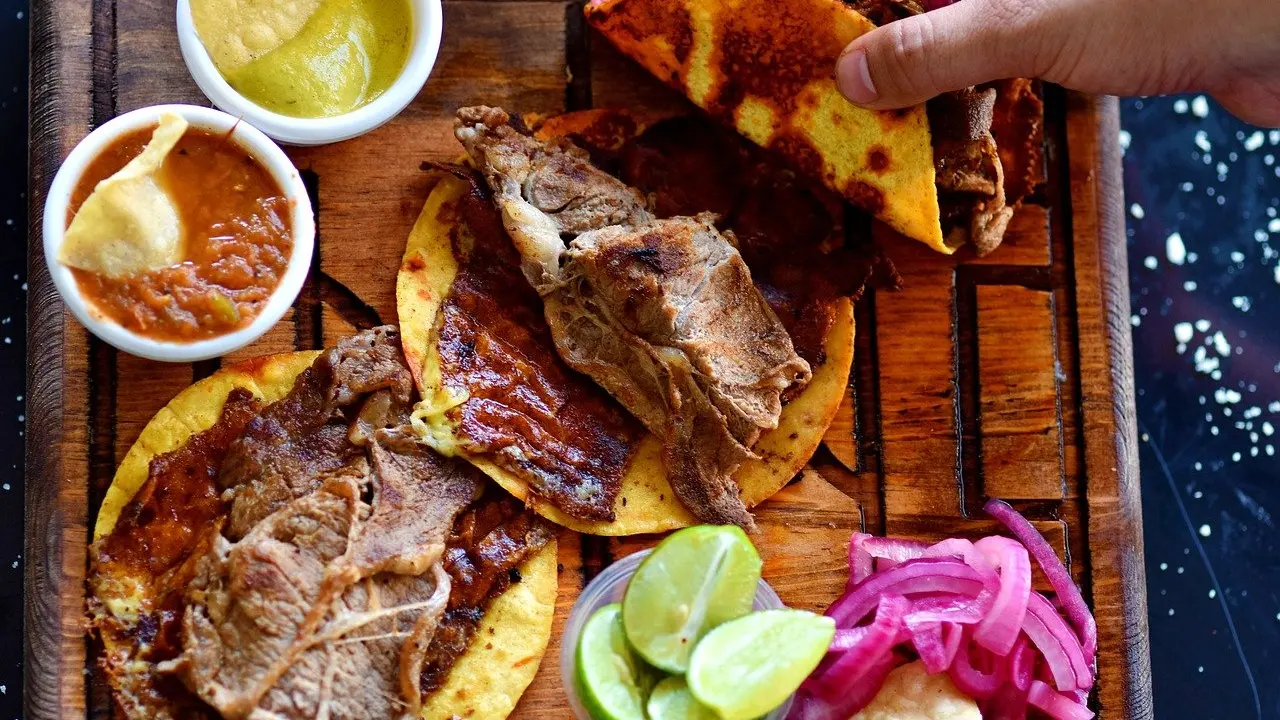
Ordering quesabirria and getting a cup of red broth on the side prompts the question: what is birria consome? It is the chile-and-spice cooking liquid from braised birria, sipped like soup or used as a dip.
People often mistake consomé for plain stock, a thin sauce or a separate soup. The sections below sort out each mix-up. For wider technique, our home cooking basics for beginners covers the fundamentals behind long braises like this one.
What birria consomé actually is
Birria consomé is the base of birria, made with tomatoes, dried chiles, garlic and spices, according to a consomé recipe guide. In a braise, the meat cooks in a chile adobo, and that cooking liquid is the consomé served alongside the finished dish, as described in a birria taco recipe.
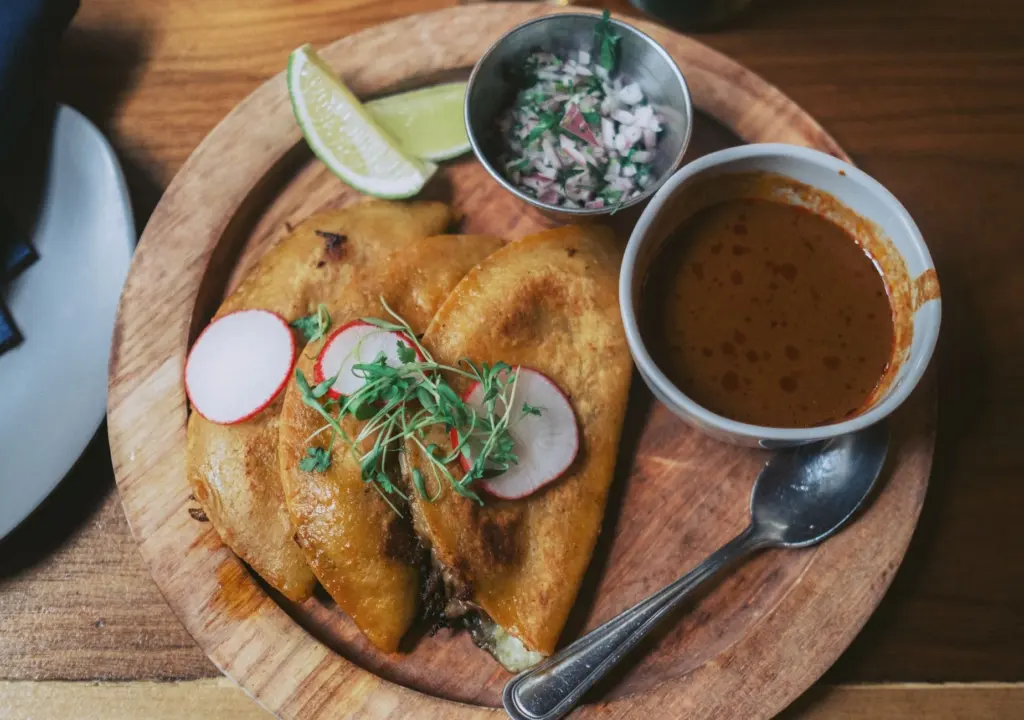
Birria itself is a traditional Mexican dish originally from Jalisco, and the same recipe source notes it is also called birria de res. Another cook describes it simply as a Mexican goat stew with chilies. So the consomé is not an add-on. It is the part of the pot that carries the chiles, garlic and spices.
Four common mix-ups
| Common assumption | What holds up | Planning use |
|---|---|---|
| It is plain beef stock. | It is built on tomatoes, dried chiles, garlic and spices and is the base of birria. | Build flavor from the chile adobo, not from the meat alone. |
| Birria has to be beef. | Goat is the traditional stew meat; beef is common because it is more affordable. | Choose goat for tradition and beef for lower cost. |
| Consomé is only a soup. | It can be ladled and sipped like soup or used as a dipping sauce. | Make enough for a bowl and for dunking. |
| Quesabirria is the whole dish. | Some places fill a taco with cheese to create quesabirria; the stew and broth come first. | Treat consomé as the foundation and the taco as one use of it. |
The definition and serving points come from the consomé guide, and the goat, beef and quesabirria points from a quesabirria taco recipe.
What goes into the broth
The traditional adobo consists of dried ancho, guajillo and pasilla chiles with garlic, onion, cumin, oregano, cinnamon and clove, according to the same birria recipe. Guajillo chiles are a sensible anchor if you buy only one variety, because dried guajillo peppers are described there as mild with lots of flavor. That makes them suited to cooks who want depth and color without a hot broth.
Guajillo adobo quantities
One guajillo-based beef recipe uses these amounts for the adobo. Treat them as a starting point rather than a rule.
- Chiles: 12 dried guajillo chiles, with stems and seeds removed.
- Aromatics: 6 garlic cloves.
- Warm spices: 1 tsp ground ginger, 1 tsp ground cumin, 3 whole cloves and 1 cinnamon stick (about 3 in).
- Herbs and pepper: 2 tsp dried oregano and 2 tsp whole black peppercorns.
- Seasoning: 1 tsp sea salt and 1 tbsp chicken broth concentrate.
Meat and pot ingredients
- Meat: 4-5 lb chuck roast, which the recipe prefers as a stewing cut cooked until fall-apart tender.
- Bones: 1/3 lb beef bones for stock, optional. They suit cooks who want a fuller body in the liquid.
- Base: 2 tsp olive oil, 1 large onion, 4 garlic cloves, 4 bay leaves and 1 tsp sea salt.
Traditional meats and braising times
Goat is the traditional choice, and beef is what most places use now. Beef, goat and sometimes both are the most common meats for birria tacos and stew, per the birria recipe. A separate quesabirria recipe notes that most places use beef because it is more affordable.
Goat or lamb can replace beef. If chuck roast is not available, the recipe suggests short ribs, pork shoulder or a leg of lamb cut into pieces. Choose goat or lamb when you want the traditional character, and chuck when you want the easiest, cheapest pot.
Cooking time by method
The times below are for beef chuck. Whatever the method, the target is meat that is tender enough to fall apart, so judge by texture rather than by the clock when using goat or lamb.
- Oven: covered at 350 °F for 3 hours, per the birria taco recipe. This is the classic braise for cooks who are home for the afternoon.
- Slow cooker: 8-10 hours on low or 4-5 hours on high, from the same recipe. Low suits a workday, high a shorter day.
- Pressure cooker: 60 minutes on high pressure, then 10 minutes of natural release. This is the quickest route to tender meat.
- Stovetop: a simmer of about 1.5-2 hours until the meat is tender, according to the quesabirria recipe. It works when you want to watch the pot.
Consomé as dipping sauce and as stew
The sauce-versus-stew question has a simple answer: it is the same liquid used differently. Ladled into a bowl, it is eaten like soup. Used as a dipping sauce, it flavors tacos or other foods, as the consomé guide describes.
As a dipping sauce for quesabirria
For quesabirria, tortillas are dipped in the consomé on both sides and then fried on a griddle, per the quesabirria method. Some places add cheese, which creates the quesabirria taco. The tacos are then served with a bowl of consomé, topped with diced onion and cilantro.
As a stew
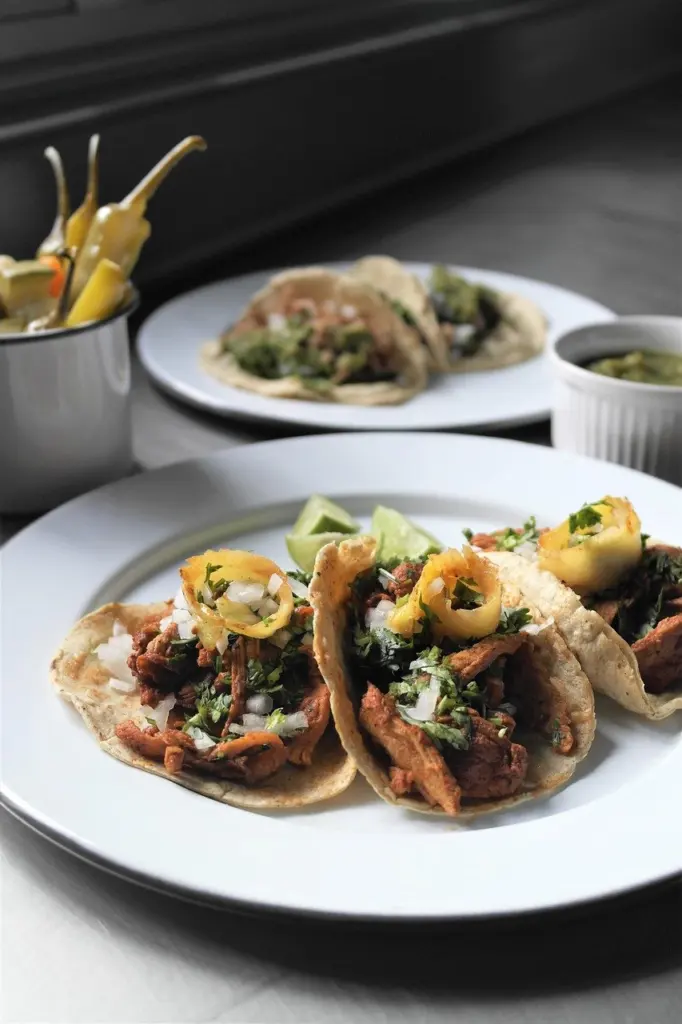
To serve birria as a stew, keep the meat in the broth. The recipe pairs it with diced onion, cilantro, lime wedges and a favorite hot sauce. This version suits a table of people who want a spoon rather than a taco, and it needs no extra cooking beyond the braise.
Where the variations come from
Jalisco is the starting point, and the main differences since then are the meat: goat, beef, lamb or a mix. Cooks also vary the chiles, since ancho, guajillo and pasilla all feature in the traditional adobo. The cheese-filled quesabirria taco is the best-known serving variation.
Serving and sides
Serve consomé hot, in a bowl with onion and cilantro on top, and put lime and hot sauce on the table if you are serving the stew version. Keep a ladle nearby so guests can take a bowl to sip and another portion for dunking.
Because birria is rich, simple sides work best. A pot of beans suits it well, and Restaurant-Style Refried Beans: How To Make Silky, Flavor-Packed Beans Like Your Favorite Mexican Restaurant – Bionicbites covers a creamy version. For a cool dip beside the tacos, Restaurant-Style Ranch Dressing: The Easy Copycat Recipe For Creamy, Tangy Flavor (2026) – Bionicbites offers a tangy option.
Frequently asked questions
| Question | Answer |
|---|---|
| Can I make consomé ahead? | Yes. One quesabirria recipe recommends making it the night before and eating it the next day for better flavors. |
| What if the consomé is too thick? | Add 1 cup of water at a time until it reaches the consistency you like, per the same recipe. |
| Can I swap the chiles? | Yes. The consomé guide says the recipe works with any variety of dried Mexican chiles, so guajillo or arbol can replace ancho. |
| What should I do with the fat? | Skim it from the cooking liquid before serving and discard it, as the birria recipe directs. |