How to eat sushi comes down to matching the tool to the type: hands for nigiri and rolls, chopsticks for sashimi, and only a light touch of soy sauce on the fish side, never the rice.
Those habits keep the rice intact and let the fish taste like fish. If you are still deciding where to eat, read how to choose a good restaurant first, then use the steps below once you are seated.
What you are actually eating
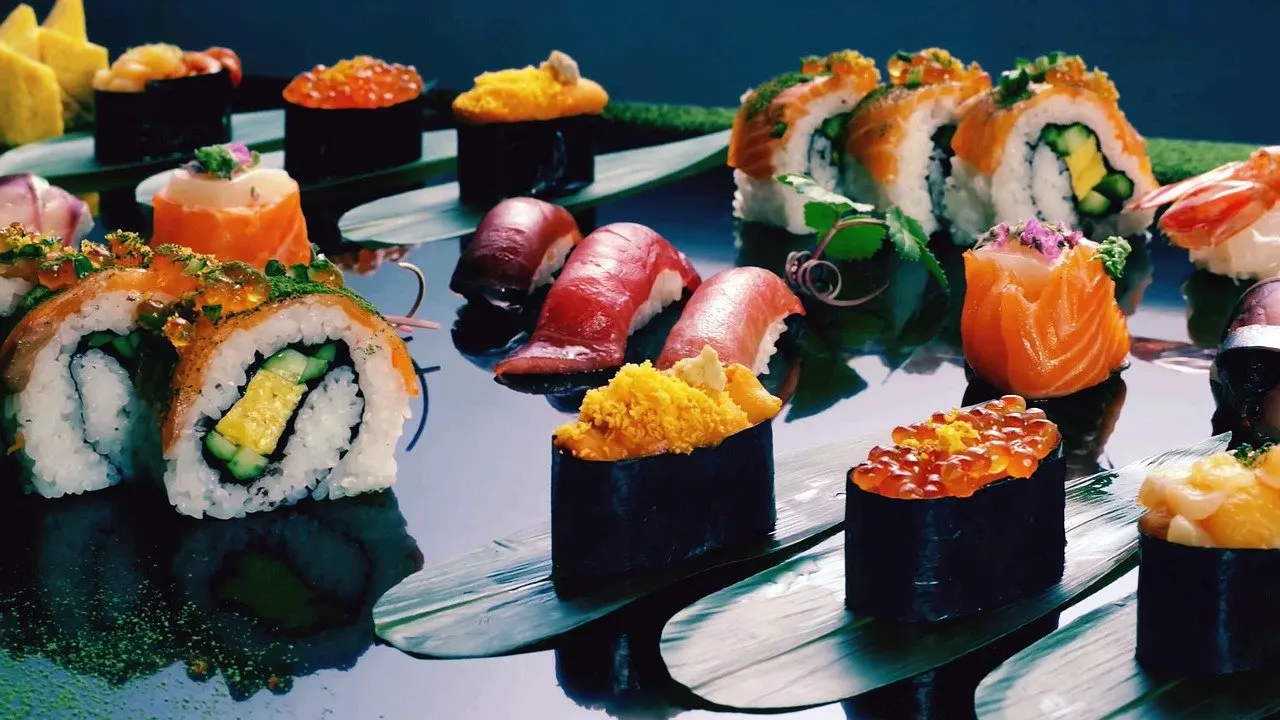
Each sushi style has its own handling rules because each is built differently. According to a sushi restaurant’s beginner guide, the word sushi refers to vinegared rice combined with toppings or fillings, so raw fish alone is not sushi. That distinction explains most of the etiquette that follows.
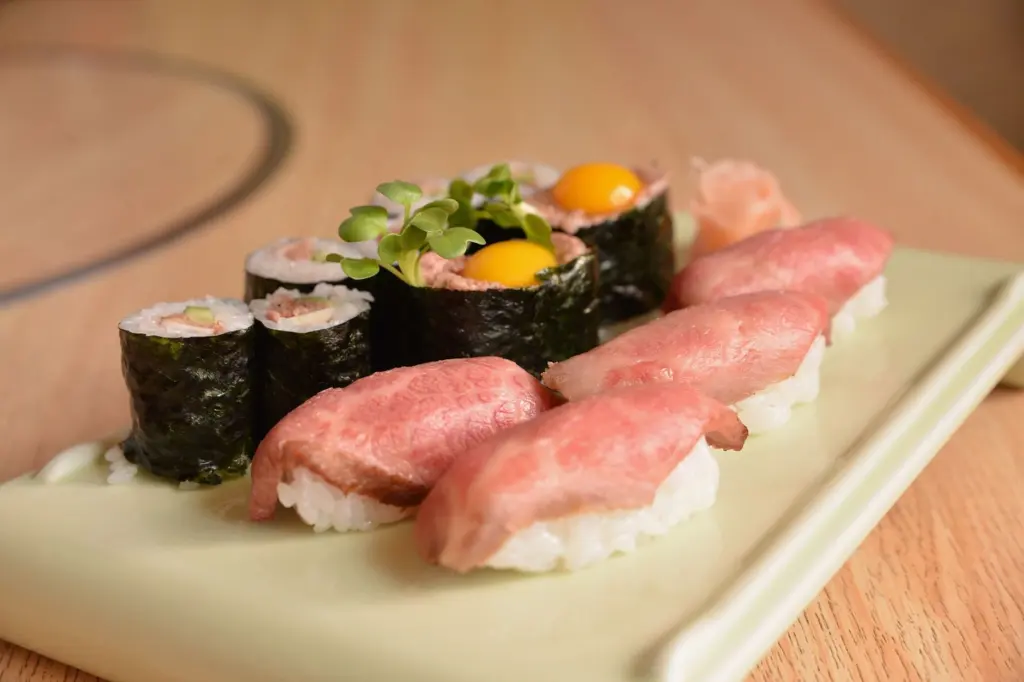
- Sashimi: raw fish or seafood, sliced and served without rice. With no rice to hold together, it is the simplest style to pick up and dip.
- Nigiri: a hand-pressed oval of seasoned rice topped with a single piece of fish or shellfish. The rice is pressed, not bound, so it is the most fragile of the styles.
- Maki: a tightly rolled cylinder cut into six to eight pieces. The cutting does the portioning for you, so each piece is meant to be eaten whole.
Knowing which type is on the plate tells you what to do with it. Nigiri needs gentle handling and a careful dip, sashimi needs a tool and a little seasoning, and maki simply needs picking up. The next section sorts out the tools.
Hands or chopsticks: choose by sushi type
Use your hands for nigiri, use chopsticks for sashimi, and treat rolls as flexible. The table sets out the tool, the bite size and what each choice means at the table.
| Type | Tool | Bites | Planning use |
|---|---|---|---|
| Nigiri | Hands, not chopsticks | One bite if possible | Pick it up with your fingers and skip the chopstick struggle; this is the traditional method. |
| Sashimi | Chopsticks | One bite if possible | Practice with chopsticks here, since there is no rice to fall apart. |
| Maki rolls | Hands, or chopsticks if you prefer | One bite if possible | Use whichever feels steadier; neither choice counts as a mistake. |
Tool and bite guidance comes from Bon Appétit’s sushi etiquette column and a sushi restaurant’s guide to eating sushi.
So, do you eat nigiri with hands or chopsticks? Hands. Bon Appétit’s column tells diners to use their hands rather than chopsticks for both nigiri and sushi rolls, and the restaurant guide notes that Americans are often surprised to learn nigiri is traditionally finger food. Chopsticks are not forbidden for rolls and appetizers, which the same guide says can be eaten with them. The practical advice for a first-timer is to keep chopsticks for sashimi and let your fingers handle everything built on rice.
The order to eat in
Bon Appétit’s column suggests a simple sequence for a mixed meal, and it works as a default when you are unsure what to eat next:
- Sashimi first. Start with the fish served without rice.
- Sushi with rice next. Move on to nigiri and rolls.
- Miso soup last. Finish the meal with the soup.
If you are sharing a platter, follow the same sequence by type rather than grabbing whatever is closest. It is a guideline for a full meal, not a rule for a single roll at lunch. With the order set, the next question is what to do with the first piece of nigiri.
Eating a piece of nigiri, step by step
Nigiri is where first-timers make most of their errors, because the rice is the weak point. Follow these steps for each piece:
- Pick it up with your fingers. Hold the piece gently by the rice and fish together.
- Turn it fish-side down. The fish, not the rice, is what meets the soy sauce.
- Touch the fish to the soy sauce lightly. A brief contact is enough.
- Eat the whole piece in one bite. Put it in your mouth fish-side down if that is easier, and avoid setting a half-eaten piece back on the plate.
The dip direction comes from the restaurant guide, which says to dip nigiri fish-side, not rice-side, down. Bon Appétit gives the same instruction in a different form: flip the piece over so the fish barely touches the liquid.
Soy sauce, wasabi and pickled ginger
How much soy sauce to use
Use very little, and apply it to the fish only. The standard is that the fish barely touches the liquid, as Bon Appétit puts it. The restaurant guide gives a second reason: a light dip protects the rice from absorbing too much sodium and keeps the piece intact. If the dish is full and you tilt a piece in, you are doing it right when the rice stays dry and the fish gets a glaze rather than a soak.
Wasabi
Check before adding any. Bon Appétit notes that nigiri already contains a bit of wasabi between the rice and the fish, so a second dose is unnecessary for most pieces. If you want more heat, the restaurant guide describes placing wasabi on top of each piece of fish rather than dissolving it in the dish.
Pickled ginger
Ginger is a palate cleanser, not a topping. Bon Appétit says to eat it only between bites, and the restaurant guide says it is meant to be eaten between different pieces of sushi to reset the taste buds. Reach for it when you switch from one fish to another, for example from a mild white fish to something richer, so the flavors stay distinct.
Common mistakes and etiquette dos and don’ts
Most slips come from treating nigiri like finger food that needs extra handling. These are the ones worth avoiding.
- Dipping the rice side first. Bon Appétit warns that the sushi will crumble if dipped rice-side first, and a crumbled piece is harder to eat cleanly.
- Biting nigiri in half. According to the restaurant guide, this causes the rice to fall apart and is considered poor form at most Japanese restaurants. Eat sashimi, nigiri and maki in one bite if possible, as Bon Appétit advises.
- Judging by the name on the menu. Bon Appétit’s column, which drew on a cookbook author, teacher and Japanese food guru, says a roll containing cream cheese, pineapple, barbecued pork or fried chicken is not really sushi. You can still enjoy it, but do not use it to judge traditional pieces.
- Using the wrong tool for the type. Chopsticks on nigiri add risk of dropping the piece, while fingers on sashimi are less practical. The table above gives the safe default for each type.
If you are unsure about anything, copy what the diner next to you does and ask the chef. Staying consistent, with light dips, one-bite pieces and ginger between fish, covers most of what etiquette asks of a beginner.
Related dining guides
Sushi is only one of the cuisines with its own table manners. For a noodle soup, How To Eat Ramen: A Practical Guide To Slurping, Toppings, And Perfect Broth (2026) – Bionicbites covers the slurping and the toppings, and How To Eat Pho Like A Pro: Slurps, Toppings, And Etiquette For 2026 – Bionicbites does the same for pho.
Frequently asked questions
Where should I sit at a sushi restaurant?
Bon Appétit’s etiquette column says to always sit at the sushi bar. If you have the choice, take a bar seat over a table.
Should I mix wasabi into my soy sauce?
Advice differs. Bon Appétit says a little wasabi mixed into soy sauce is acceptable when eating sashimi, while a sushi restaurant’s guide says not to mix wasabi directly into soy sauce. If you want to stay on the cautious side, place a small amount on the fish instead.
What should a first-timer order?
Shrimp tempura rolls, California rolls and salmon nigiri are approachable starting points with familiar flavors, according to a sushi restaurant’s beginner guide. Once you are comfortable, maguro (bluefin tuna), described as the most prized fish in Japanese sushi culture, is worth trying.