Ordering fried eggs and hearing “How do you want them?” is the usual stumbling point. The answer for how to order eggs at a restaurant: name the style, then say how runny the yolk should be.
Eggs are easy to get right once you know the vocabulary. This guide sits within our wider advice on how to choose a good restaurant. The starting step is simple: read the menu before you pick a cooking style, as Forklift & Palate’s egg-ordering guide recommends.
Fried egg names and what they mean
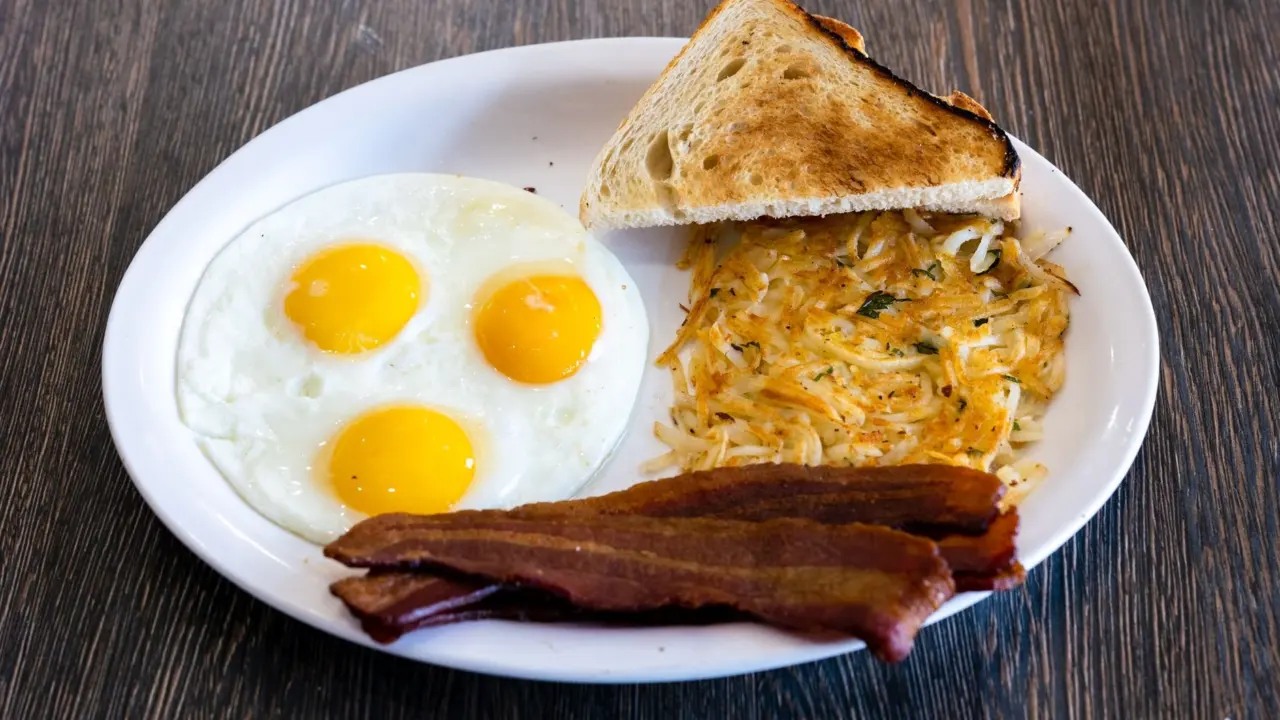
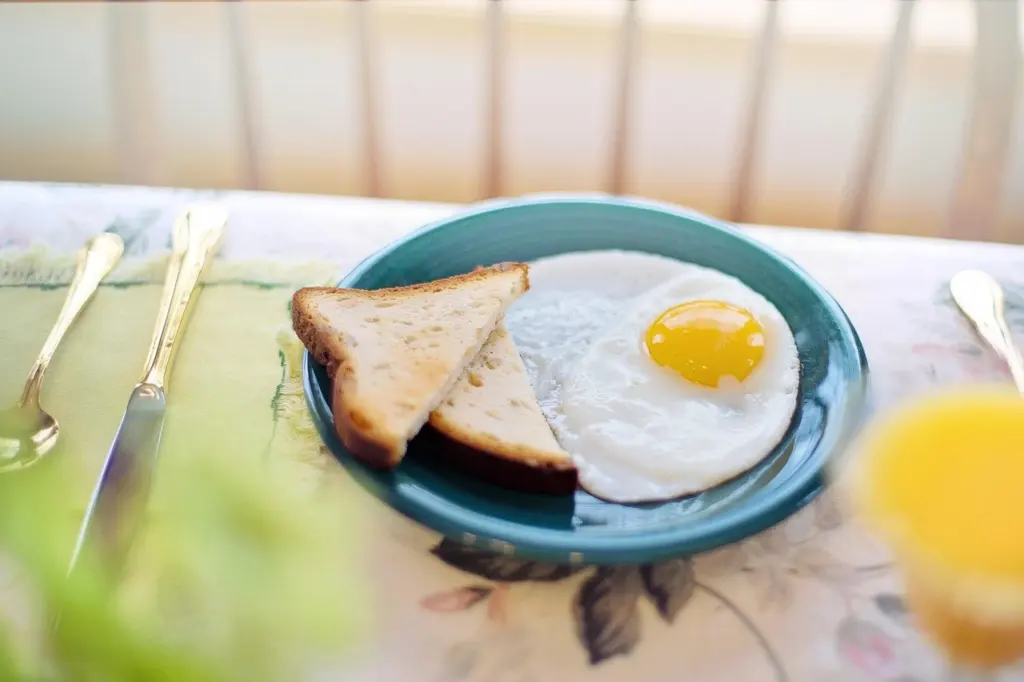
The biggest misunderstanding is that the word “over” describes how runny the yolk is. It actually describes flipping. A sunny-side up egg is not flipped. It is done when the top of the white turns opaque. An over easy egg is flipped as soon as the sides begin to turn white, which leaves it runny inside and crispy outside. The names that follow differ mainly in how firm the middle ends up, so the table below puts them side by side.
| Style | Flipped? | White and yolk | Planning use |
|---|---|---|---|
| Sunny-side up | No | The top of the white turns opaque and the yolk stays exposed | Order it when you want an unbroken yolk on top of the plate |
| Over easy | Yes, once the sides begin to turn white | Runny inside, crispy outside | Choose it for a flowing yolk without an exposed top |
| Over medium | Yes | Between the runny over easy and the solid over hard | A compromise when you want the yolk less liquid but not fully set |
| Over hard | Yes | The same as over easy, except the middle is solid | Choose it if you want no liquid yolk at all |
| Poached | No flip; cooked in hot water | Delicate, runny yolk | Choose it for a soft yolk without a fried edge |
The style descriptions follow Forklift & Palate’s guide to ordering eggs; the over medium row is the midpoint between its over easy and over hard definitions.
Over easy versus over medium
Over easy and over medium differ in how much of the yolk is still liquid. Over easy keeps the yolk runny. Over hard is simply over easy with a solid middle, so over medium is the word for the stretch in between. If you are unsure of your preference, over medium is a sensible midpoint: the yolk is less likely to be a surprise than in over easy, and you are not committing to a fully solid one.
Whichever term you pick, stick with it. When the server repeats your order back, that is your moment to correct a mix-up before the ticket reaches the kitchen.
Runny yolks without the guesswork
Asking for a runny yolk does not mean asking for a raw white. Whites and yolks have different consistencies, so a cook can set the white and leave the yolk deliciously runny, as this culinary guide to sunny-side up eggs explains. The cook’s side of the equation is mostly about gentle heat and steam, and your side is mostly about clear wording.
- Runny is a style, not a favor. Sunny-side up, over easy and poached are the styles that leave the yolk liquid. Name one of them and add “runny yolk” if you want to be certain.
- Gentle heat protects the yolk. The same culinary guide advises turning the heat to medium-low rather than maximum, so the white can set without driving the yolk past runny.
- Steam sets the top of the white. Covering the pan with a lid traps steam, which cooks the white while keeping the yolk runny. If a sunny-side up egg arrives with a still-glossy top, you can politely ask for it finished a little more.
- Vague menu wording deserves a question. If a dish says only “farm egg” or “egg on top,” ask “Is the yolk runny?” before you order rather than after the plate lands.
Poached eggs are the other dependable runny choice. They cook in hot water rather than on a griddle, which gives a delicate, runny yolk. They suit toast, greens and other plates where the yolk is meant to act as the sauce.
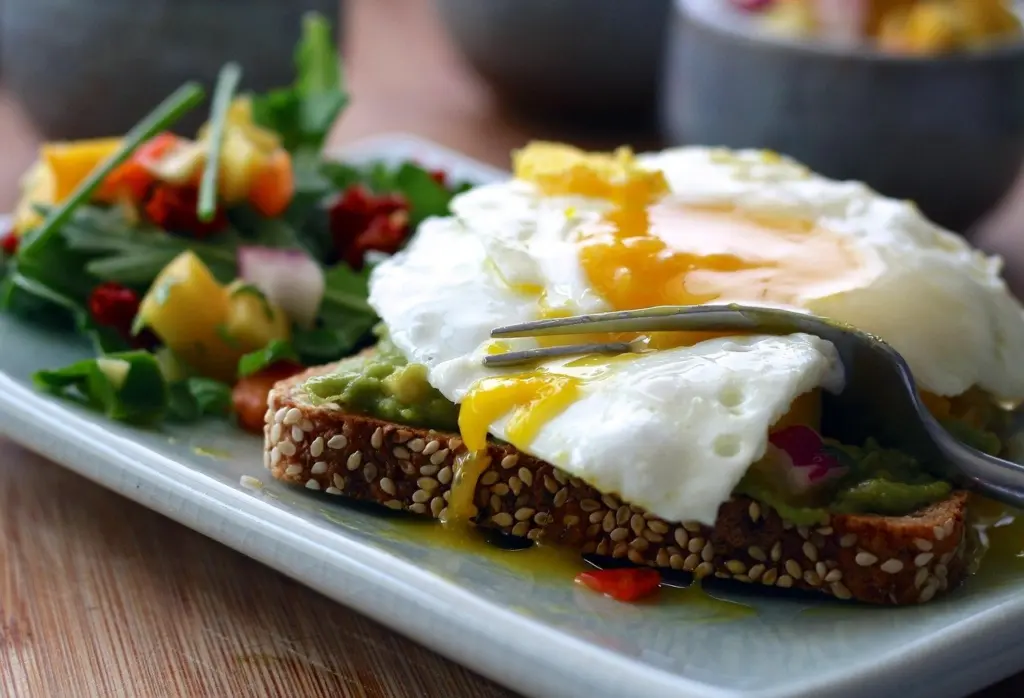
If you would rather avoid a liquid yolk entirely, say so just as directly. Over hard is the fried option, and the next section covers the scrambled alternatives.
Scrambled eggs, omelets and boiled eggs
Scrambled eggs are among the most popular ways to eat eggs, and they remove the yolk decision altogether. There is no flipping and no exposed yolk, so the only choice left is firmness. Tell the server whether you want them soft or cooked firm, since menus rarely say.
An omelet is not a different category of egg so much as a scramble with a job to do. As Forklift & Palate describes it, the dish features scrambled eggs plus your favorite vegetable and meat toppings. That makes the filling list your main decision. Name the fillings you want, and mention any you want left out in the same sentence.
Boiled eggs appear on some menus as a side or a topping, and the terms “soft” and “hard” are the ones to use. The FAQ below gives the cooking-time difference between them. How much choice you get over any of these styles depends on the kind of place you are in, and our guide to restaurant styles, The 2026 Guide To Types Of Food Restaurants: Find The Best Style For Any Meal – Bionicbites, helps you pick where to go for a breakfast order.
Short phrases and safety requests
Short, specific sentences work better than long explanations. Give the style, then the yolk or texture, then the side. Here are phrases you can say as written:
- The full order: “Eggs over medium, crispy edges, sourdough toast on the side.” It covers style, texture and side in a single breath.
- The runny order: “Poached, runny yolk, please.” This leaves no room for the kitchen to guess.
- The cooked-through order: “Over hard, please; I need the yolk cooked through.” Saying why you need it gives the kitchen both the instruction and the context.
- The omelet order: “Omelet with spinach and tomato, no cheese.” Name the fillings and the exclusions together.
Safety is the one area where you should not leave anything to interpretation. Egg-handling guidance for food businesses says to cook eggs thoroughly to minimize the risk of Salmonella, according to this egg-handling safety guide. If you want to avoid a liquid yolk for health reasons, order over hard or a firmly cooked scramble and say plainly that the eggs should be cooked through.
For dietary needs or allergies, state the restriction and the swap you want in one sentence, such as “egg whites only” or “no dairy in the scramble.” Ask the server to confirm it with the kitchen. Side swaps work the same way: toast, potatoes or fruit are all fair requests where the menu offers them.
Once the eggs are sorted, the same plain-speaking habit carries over to drinks, and our guide on how to order wine at a restaurant applies it to the wine list.
Frequently asked questions
| Question | Answer |
|---|---|
| What is the difference between soft-boiled and hard-boiled eggs? | Soft-boiled eggs take half as long to cook as hard-boiled ones: about 5-6 minutes versus 10-12 minutes, according to Forklift & Palate. Order soft for a liquid center and hard for a set one. |
| Can I get crispy edges and a runny yolk together? | Yes. Over easy is described as runny inside and crispy outside. Some cooks also crack a cold egg straight from the refrigerator for crispier edges, per this culinary guide, so asking for “crispy edges, runny yolk” is a reasonable request. |
| How cold should restaurants keep eggs? | An industry food-safety guide advises storing eggs at 45°F (7°C) or below immediately after delivery, as outlined by Eggs Unlimited. |